Learning & Resources Art Blog

This blog was created to share art tips and tutorials, art resources, share cool things about other artists, and also let you know about upcoming learning opportunities and contests. Do you have something art-related you’d like to learn about? Let me know!


10 Picture Book Gifts to Give for the Holidays

Whether you celebrate Christmas, Chanukah, Kwanzaa, Yule, Three Kings Day, or any of the many holidays that happen this time of year, there’s often the opportunity to share gifts with loved ones. And children are some of our favorite people to share gifts with. One of my favorite gifts to share is books (of course)! So, for this month’s post, I’ve chosen 10 picture books to look for to give as holiday gifts. And these books are special, because I know or have met at least one of the people involved in creating each of these books. I can vouch that these are some amazing people who’s work you’ll definitely want to check out!

Swim, Jim! by Kaz Windness
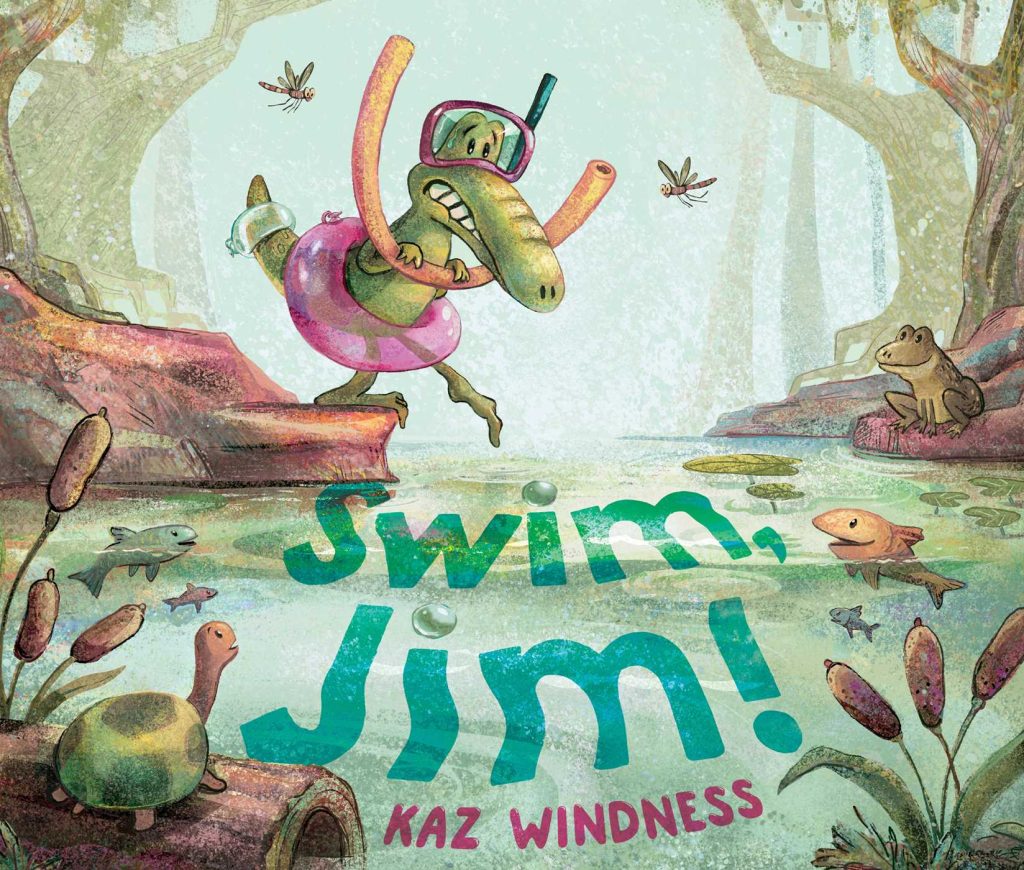
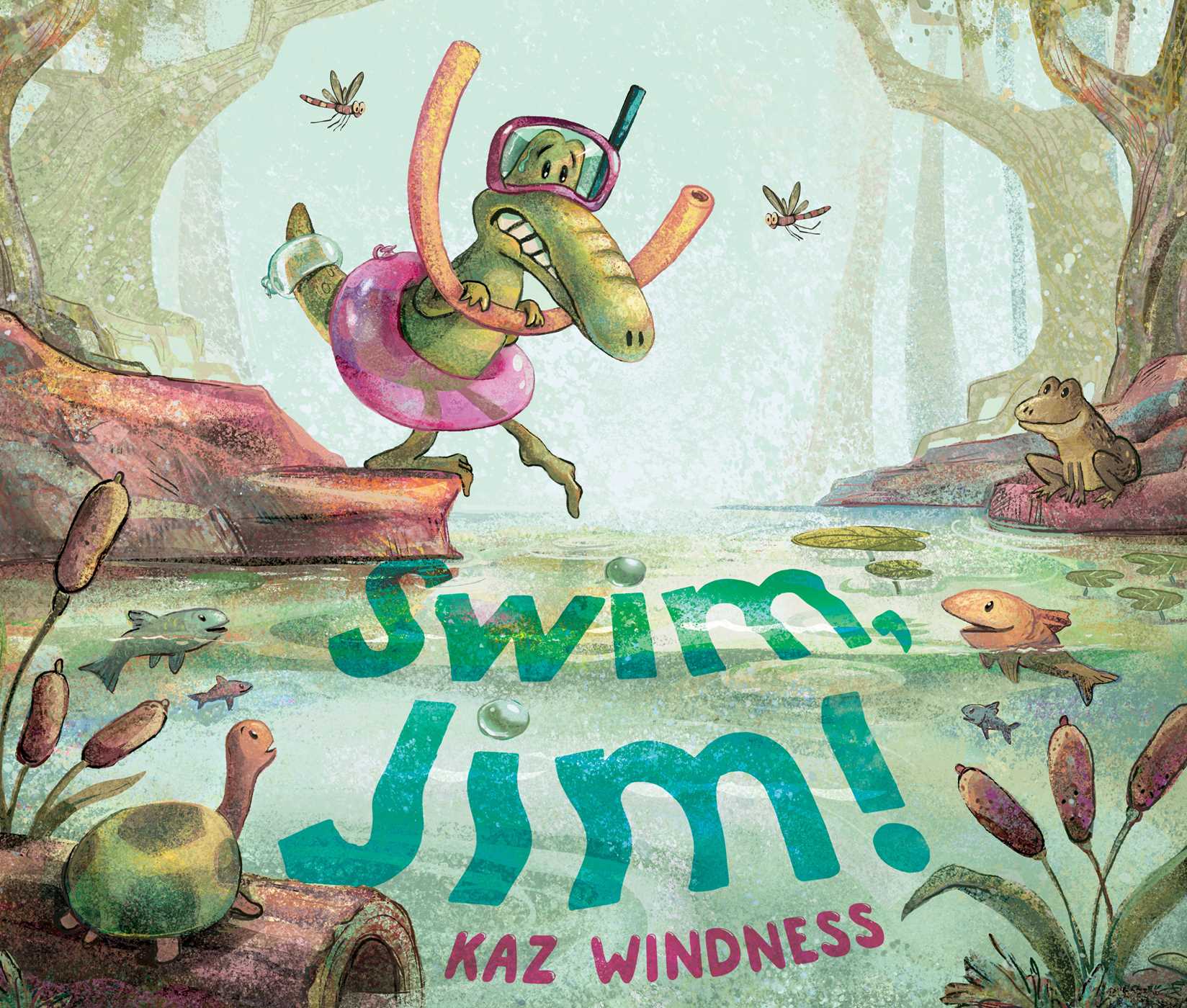
Swim, Jim! book cover. A cartoon crocodile wears pool floats and snorkel mask while dipping his toe into the swamp water.

Jim can’t swim! A favorite in our house, this book follows a young crocodile named Jim on his journey to figure out how to swim in a way that works for him. A sweet story about conquering fears and the love of family, Swim Jim is full of colorful illustrations and fun text that kids will love reading again and again. Kaz even includes fun facts about crocodiles in the back of the book.

I had the pleasure of chatting with Kaz in one of my KidLit Connection interviews this past summer. If you missed it, check it out! Learn more about Kaz and her work on her website: http://www.windnessbooks.com

Purchase Swim, Jim! online through Bookshop.org. Or ask your local book retailer if they have it or can order it for you.

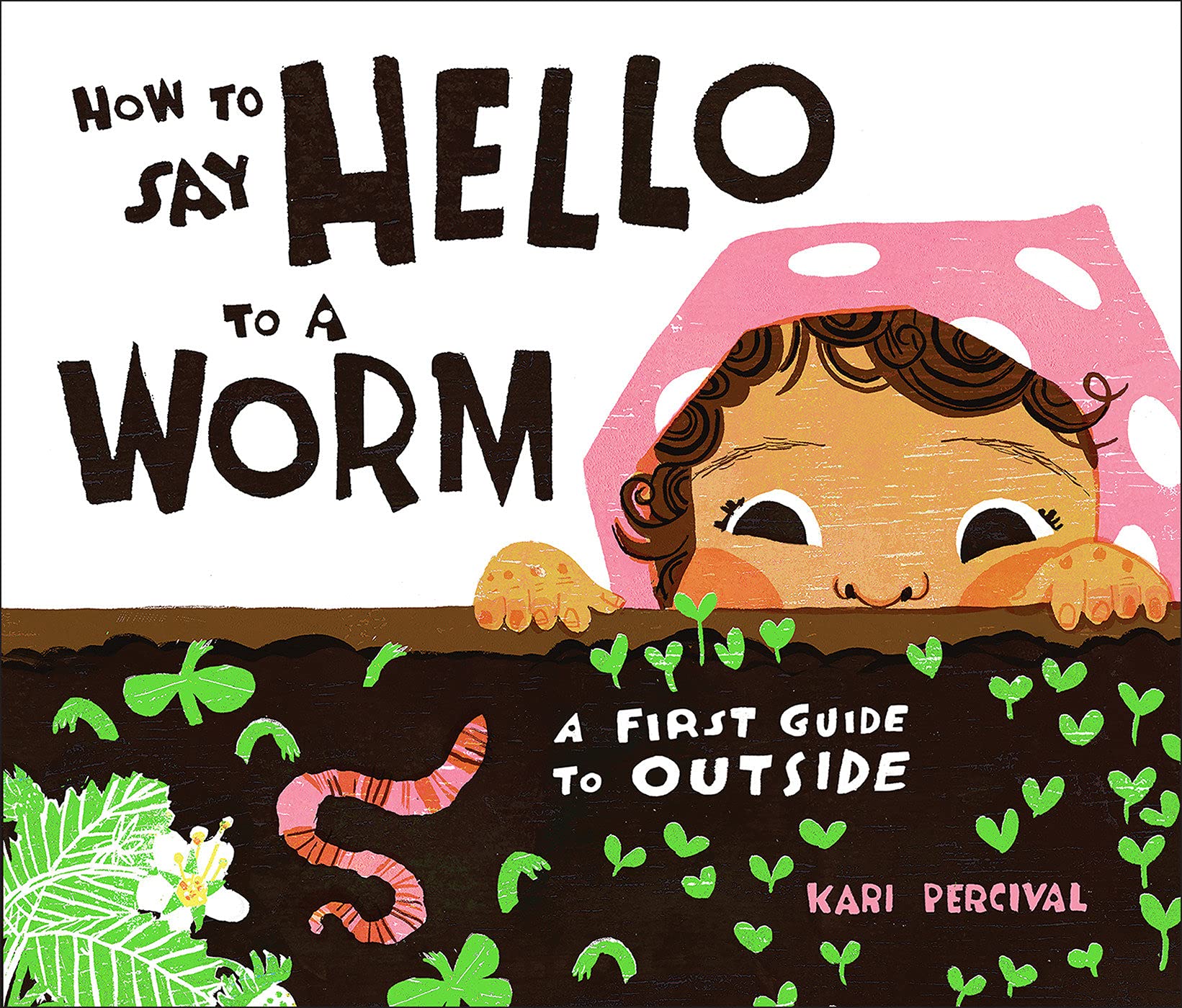
How to Say Hello to a Worm, A First Guide to Outside by Kari Percival
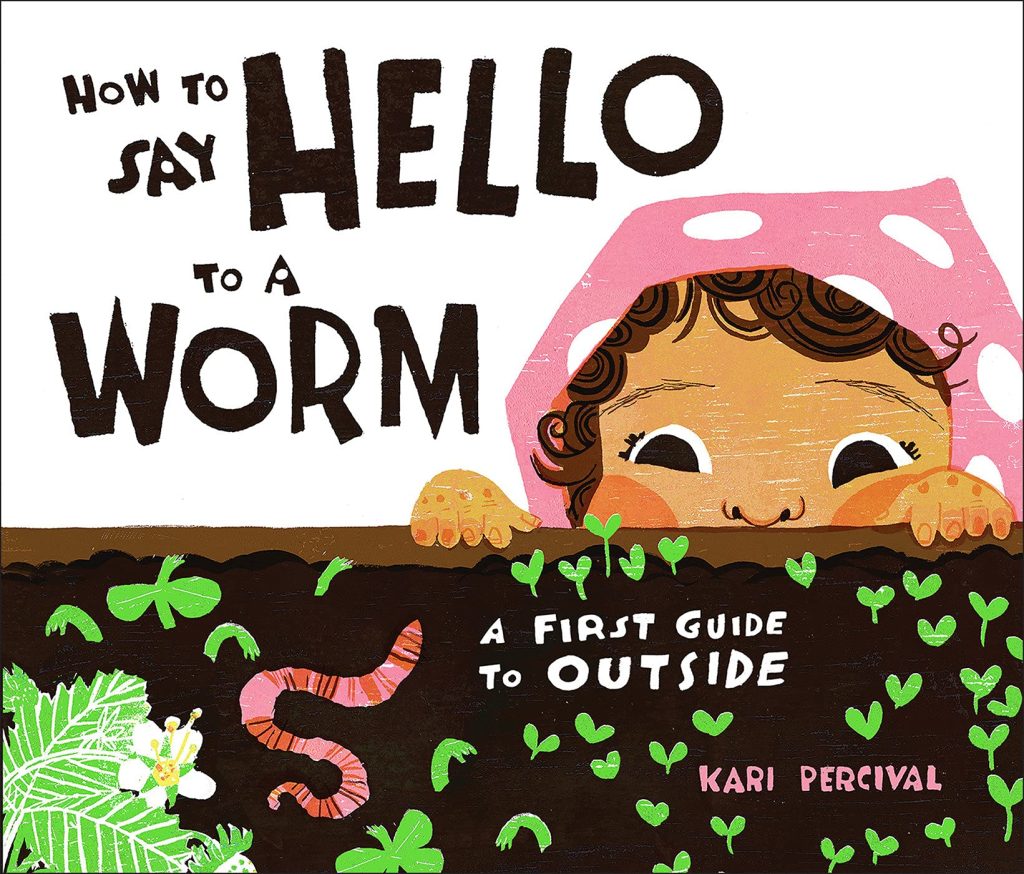
How to Say Hello to a Worm, A First Guide to Outside. Book cover by Kari Percival.

I absolutely adore this book! Kari Percival takes young readers through the process of growing various fruits and vegetables in a garden. Written for preschoolers, the text is simple, but informative, and the illustrations are colorful and fun. Speaking from personal experience, this book is engaging and interactive—my four-year-old loves it! And I’m excited to share a book written and illustrated by a fellow New Englander.

I had a wonderful chat with Kari in my KidLit Connection blog interview with her. If you missed it, be sure to check it out. To learn more about Kari and her work, visit her website: https://karipercival.com

Purchase How to Say Hello to a Worm, A First Guide to Outside on Bookshop.org. Or ask your local book retailer if they have it or can order it.

Moonsong by Denise Gallagher
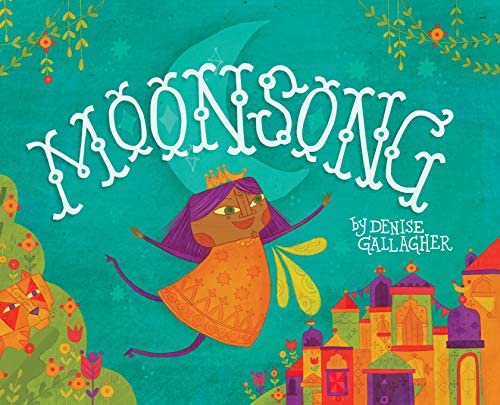
Moonsong book cover by Denise Gallagher.

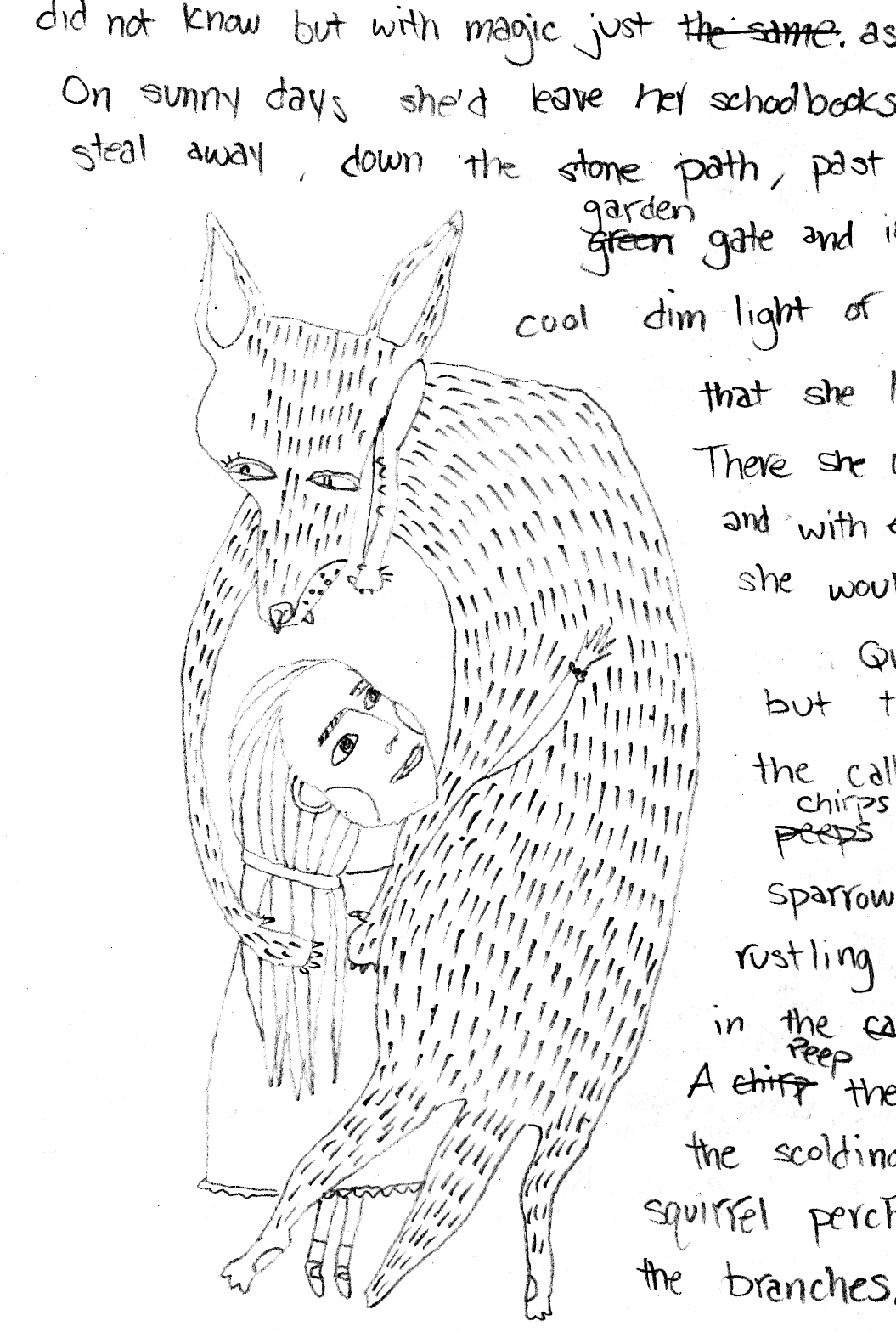
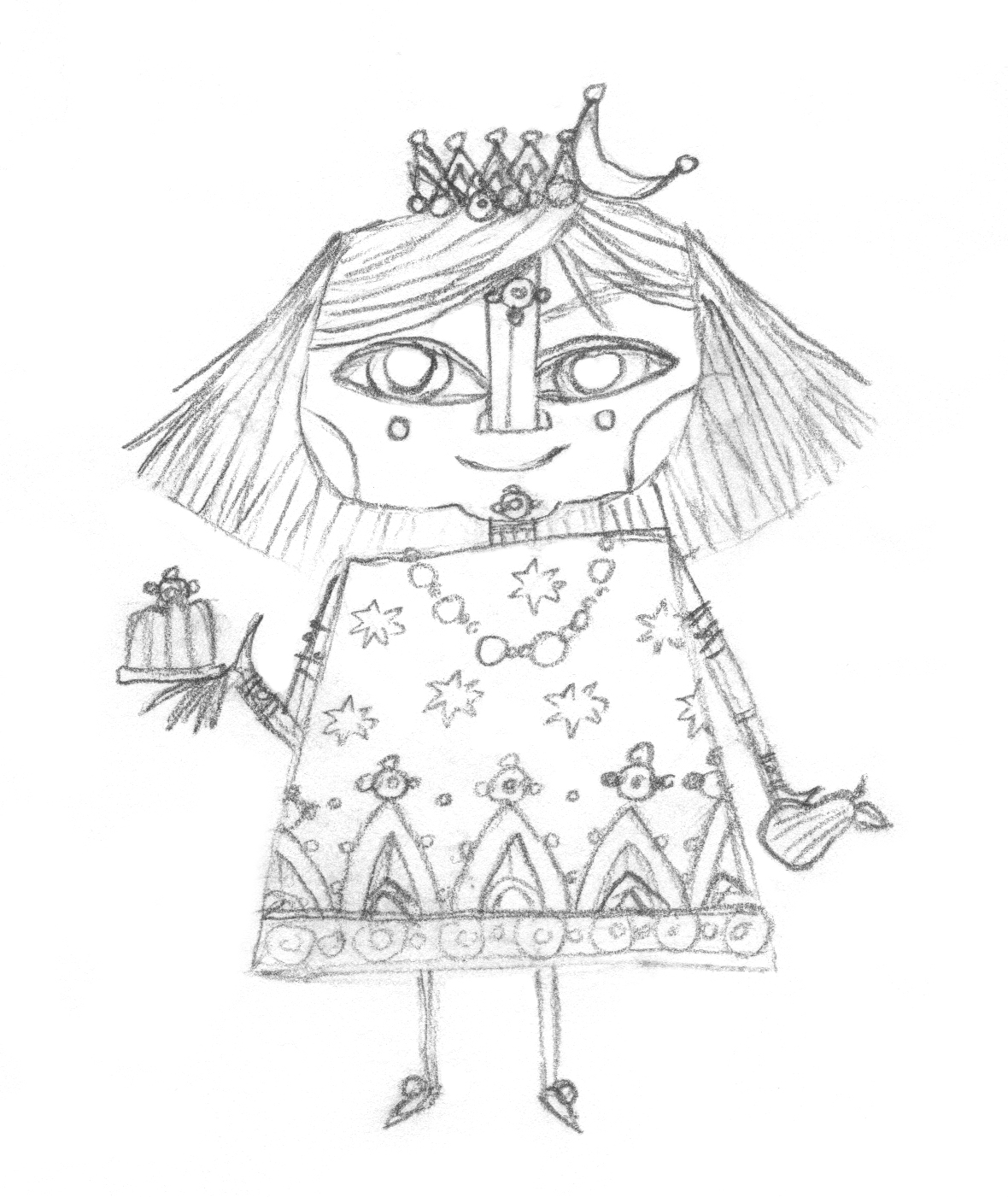
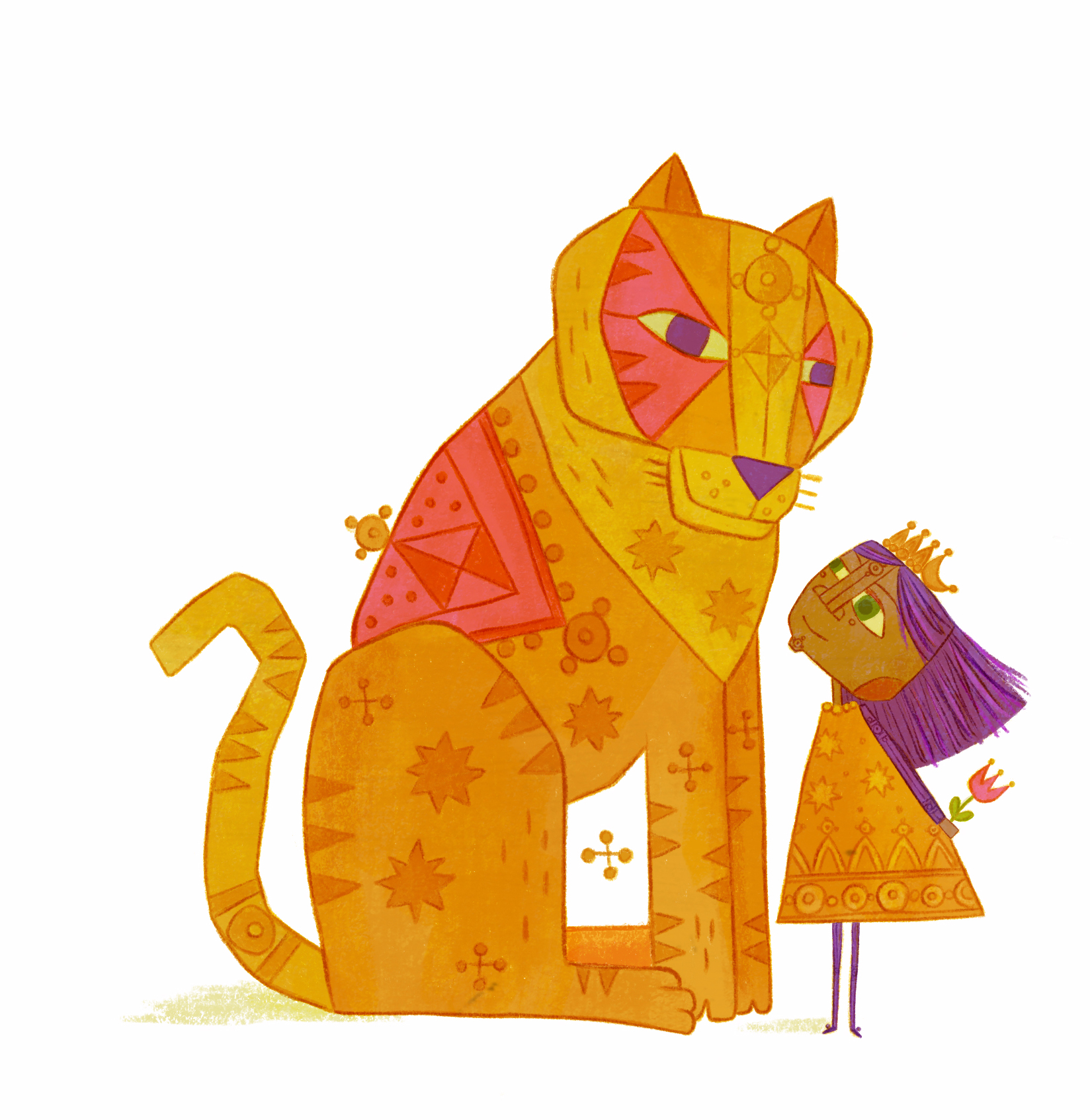
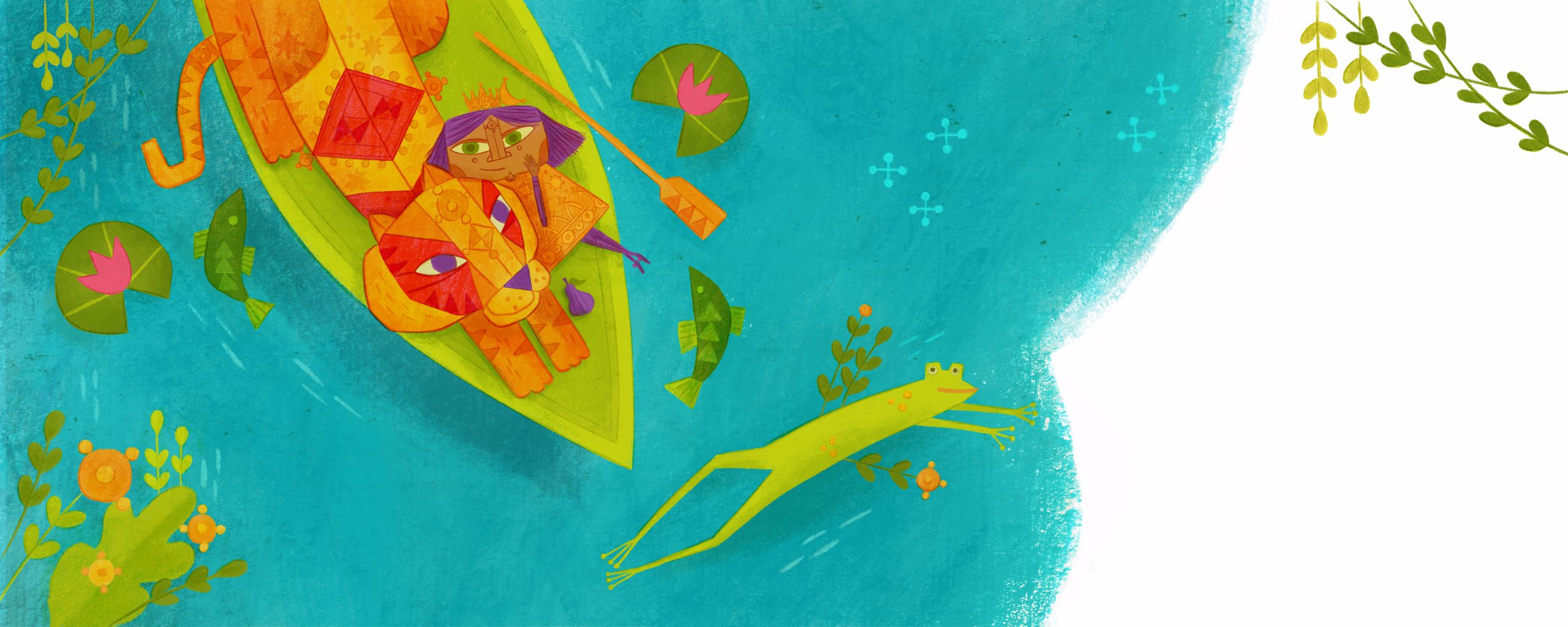
Fulki’s village lost its moon and Fulki wants to help. She befriends a tiger and creates beautiful music. But, befriending wild animals and making music are forbidden in her village. Can Fulki and her tiger friend help save their moon despite their forbidden friendship? Moonsong is a beautifully illustrated book with a folktale feel. Denise Gallagher creates a magical world of color and song with this story that is sure to delight readers both young and old.

I was so happy to chat with Denise for one of my KidLit Connection interviews recently. If you missed it, please check it out to hear more from her. You can also learn more about Denise and her work on her website: https://www.denisegallagher.com

You can buy Moonsong online at Bookshop.org. Or ask your local bookstore if they can get you a copy!

Small But Mighty, Why Earth’s Tiny Creatures Matter by Kendra Brown, illustrated by Catarina Oliveira
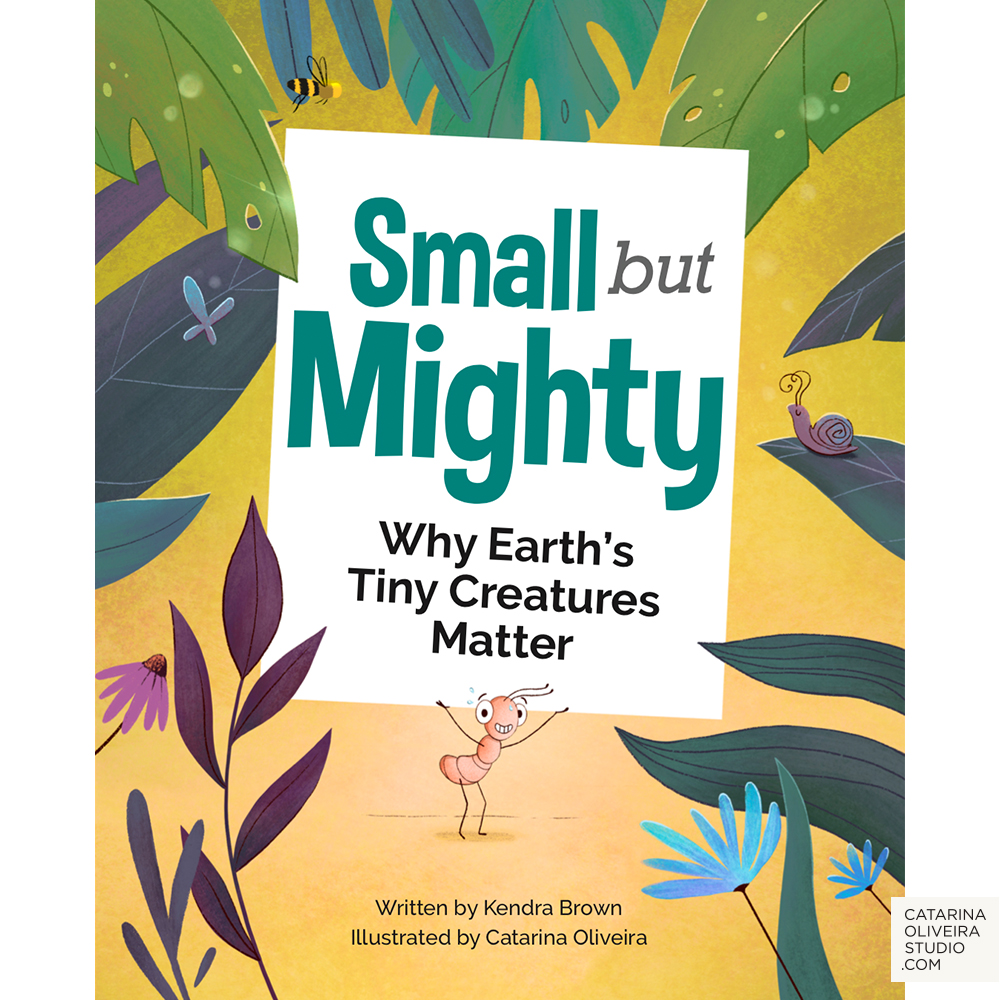
The illustrated book cover for Small But Mighty. A small ant holds up the book text and is surrounded by large leaves.

From the smallest frog to little millipedes, creatures of the earth all have important jobs, even if they are small. Small But Might, Why Earth’s Tiny Creatures Matter was written by Kendra Brown, and illustrated by Catarina Oliveira. With fascinating information about all kinds of little critters and colorfully fun illustrations, young kids with a mind for science will love this book! Catarina even has activity sheets to go with the book that are available for download on her website.

I was so pleased to have Catarina as my very first KidLit Connection guest. If you missed that interview, go check it out. To learn more about Catarina and her illustration work, visit her website: https://www.catarinaoliveirastudio.com

You can buy Small But Mighty, Why Earth’s Tiny Creatures Matter online at Bookshop.org. Or check with your local bookstore.

BLOB by Anne Appert
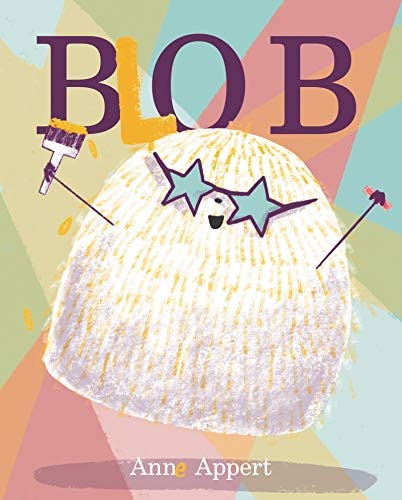
BLOB book cover by Anne Appert.

Blob can be whatever they want to be—a giraffe, cotton candy, or even an octopus. Blob is a being of indeterminate kind. But, after the narrator continuously calls them “Bob”, Blob starts to question who and what they really are. Written and illustrated by non-binary author/illustrator Anne Appert, BLOB is an adorably silly, but also important story about being yourself. 

Anne Appert is a fellow author/illustrator who I’ve had the pleasure of knowing online through community events like #KidLitArt chat on Twitter and SCBWI. I hope to meet them in-person someday soon. And I feel so lucky that we have a signed copy of Blob! You can find out more about Anne and their work on their website: https://www.anneappert.com

You can order your very own signed copy of BLOB through Words Bookstore online.

You can also find BLOB online at Bookshop.org. Or ask your local bookseller!

Charlotte and the Quiet Place by Deborah Sosin, illustrated by Sara Gómez Woolley
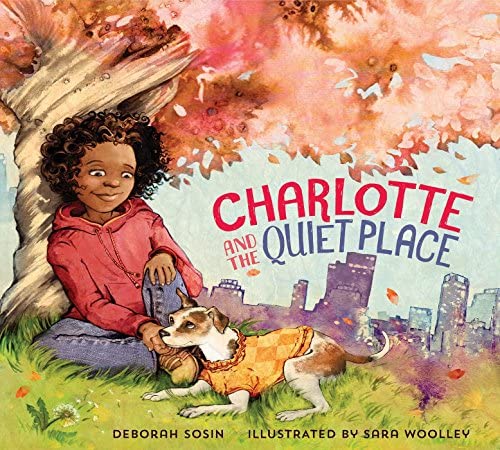
Charlotte and the Quiet Place book cover by Deborah Sosin and Sara Gómez Woolley.

Charlotte lives in a noisy home, in a noisy city, where she goes to a noisy school. There is so much noise, she just can’t seem to find a quiet place. Until she chases her dog Otto in the park when he gets loose, and then discovers the feel of her own breath. Charlotte realizes her quiet place is within herself. Written by Deborah Sosin, and illustrated by my talented friend, Sara Gómez Woolley, Charlotte and the Quiet Place became a fast favorite in our house. 

I had the pleasure of meeting and spending time with Sara Gómez Woolley at The Highlights Foundation this past summer where she was a resident artist. Sara is a professor of illustration, comic artist, and book illustrator. You can learn more about her and her work on her website: http://www.sarawoolley.com

Purchase a copy of Charlotte and the Quiet Place online from Parallax Press. Or ask your local bookseller if they can get you a copy!

My Sister, Daisy by Adria Karlsson, illustrated by Linus Curci 
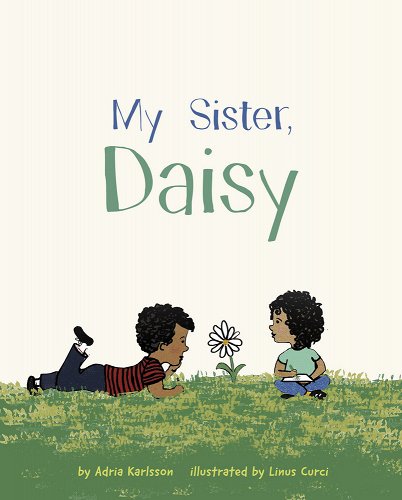
My Sister, Daisy book cover by Adria Karlsson and Linus Curci.

My Sister, Daisy is a beautiful family story of acceptance and love told from the eyes of an older brother, written by Adria Karlsson and illustrated by Linus Curci. He is so excited to have a little sibling and they do everything together. But, when his sibling goes to kindergarten, things change. His sibling tells him she is a girl and wants to be called Daisy. This beautifully written book is based on a true family story and handles a sensitive subject with care and compassion.

I was so fortunate to meet Adria Karlsson during my trip to The Highlights Foundation this past summer. We had chatted online and were so excited to meet each other in-person for the first time. Adria is an amazing human with a huge heart and a beautiful family. You can find out more about them online at: https://www.adriakarlsson.com

You can buy a copy of My Sister, Daisy online from Bookshop.org. Or ask your local bookseller if they carry it or can order it!

Rafa Counts on Papá by Joe Cepeda
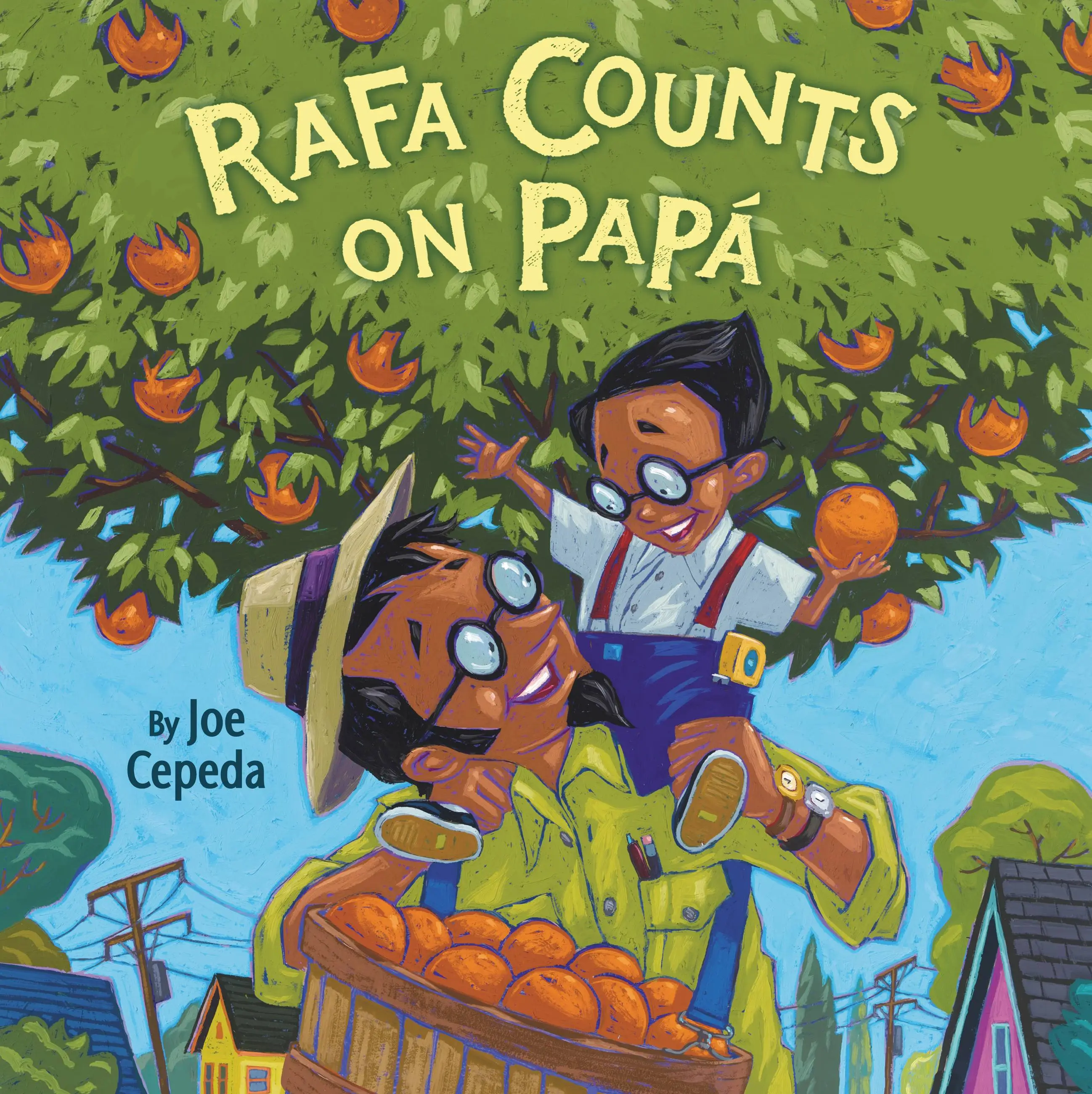
Rafa Counts on Papá book cover by Joe Cepeda.

Rafa and his Papá love to count, measure, and weigh. They use all the tools they can to quantify the things around them, from the marbles in a jar, to the height of their jumbo sandwich. But, there’s one thing that Rafa and Papá can’t measure—their love for one another. This beautiful book, illustrated and written by Joe Cepeda, is perfect for kids who love to count and measure, or for kids who love their dad.

I am so fortunate to have met and spent time with Joe Cepeda during the illustration summer camp at The Highlights Foundation this past summer. Joe was my illustration mentor for the week and gave me some great advice and shared some wonderful stories. I even came home with a signed copy of Rafa Counts on Papá! To learn more about Joe and his work, visit his website: https://www.joecepeda.com

You can buy Rafa Counts on Papá online from Bookshop.org. Or ask your local bookstore!

Road Trip! A Whiskers Hollow Adventure by Steve Light
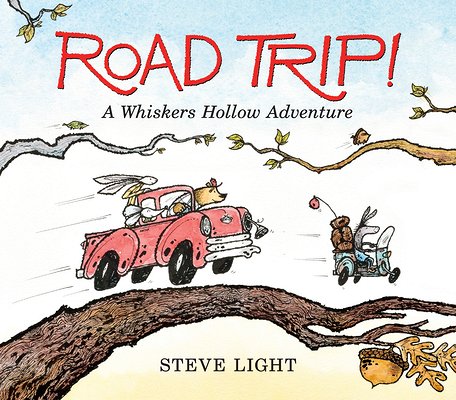
Bear’s car needs a new headlight, so the friends of Whiskers Hollow take a road trip together to Elephant’s junk yard. With Rabbit, Mouse, and Donkey, the four friends encounter adventure and mishaps along the way. Beautifully illustrated and written by Steve Light, the characters of Road Trip! are full of charm that you and your young reader will be sure to love! I count us lucky to have our very own Steve signed copy.

This summer, I met Steve Light when he was a faculty member at the Highlights Foundation during the illustration summer camp I attended. Steve is a warm, friendly, and a super fun person to learn from. I had so much fun trying out new pen and ink techniques with him! To learn more about Steve and his work, visit his website: https://www.stevelightart.com

You can buy Road Trip! online from Bookshop.org. Or ask your local bookseller!

The Turtle Ship by Helena Ku Rhee, illustrated by Colleen Kong-Savage
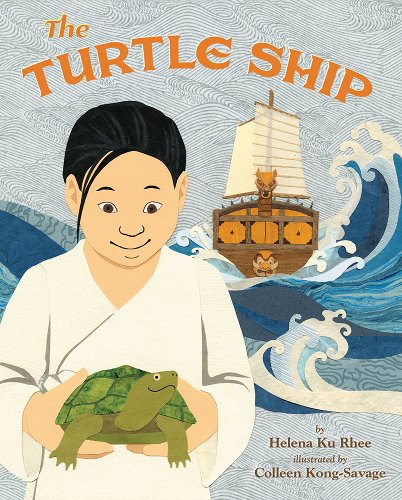
The Turtle Ship book cover by Helena Ku Rhee and Colleen Kong-Savage.

A long time ago in Korea, Sun-sin played with his pet turtle and dreamed of traveling the world. But, as a poor villager, that dream seemed impossible. Until the King’s court announced a contest to design a new battleship to defend the land. The winner would travel with the royal Navy. Sun-sin got to work designing and after many failed attempts found inspiration in his pet turtle. Written by Helena Ku Rhee and illustrated by Colleen Kong-Savage, The Turtle Ship is beautifully illustrated story that was loosely based on the real Admiral Yi Sun-sin and his Turtle Ship. Colleen’s paper collage creates a colorfully unique visual journey for young readers to enjoy.

During the summer camp in illustration at The Highlights Foundation, I met Colleen Kong-Savage as a fellow participant. When I saw her collage work, I fell in love with it! Colleen is a lovely human who I feel so lucky to have spent time with. To learn more about Colleen and her work, visit her website: https://ckongsavage.com

You can order a copy of The Turtle Ship online at Bookshop.org. Or ask your local book shop!


Whether you gift one of these books or one of the thousands of amazing picture books in the world, you’ll be giving something truly special when you share a story with a child. Supporting local book stores directly or through websites like Bookshop.org also helps the local families and economy around you. What a beautiful gift it is for everyone!
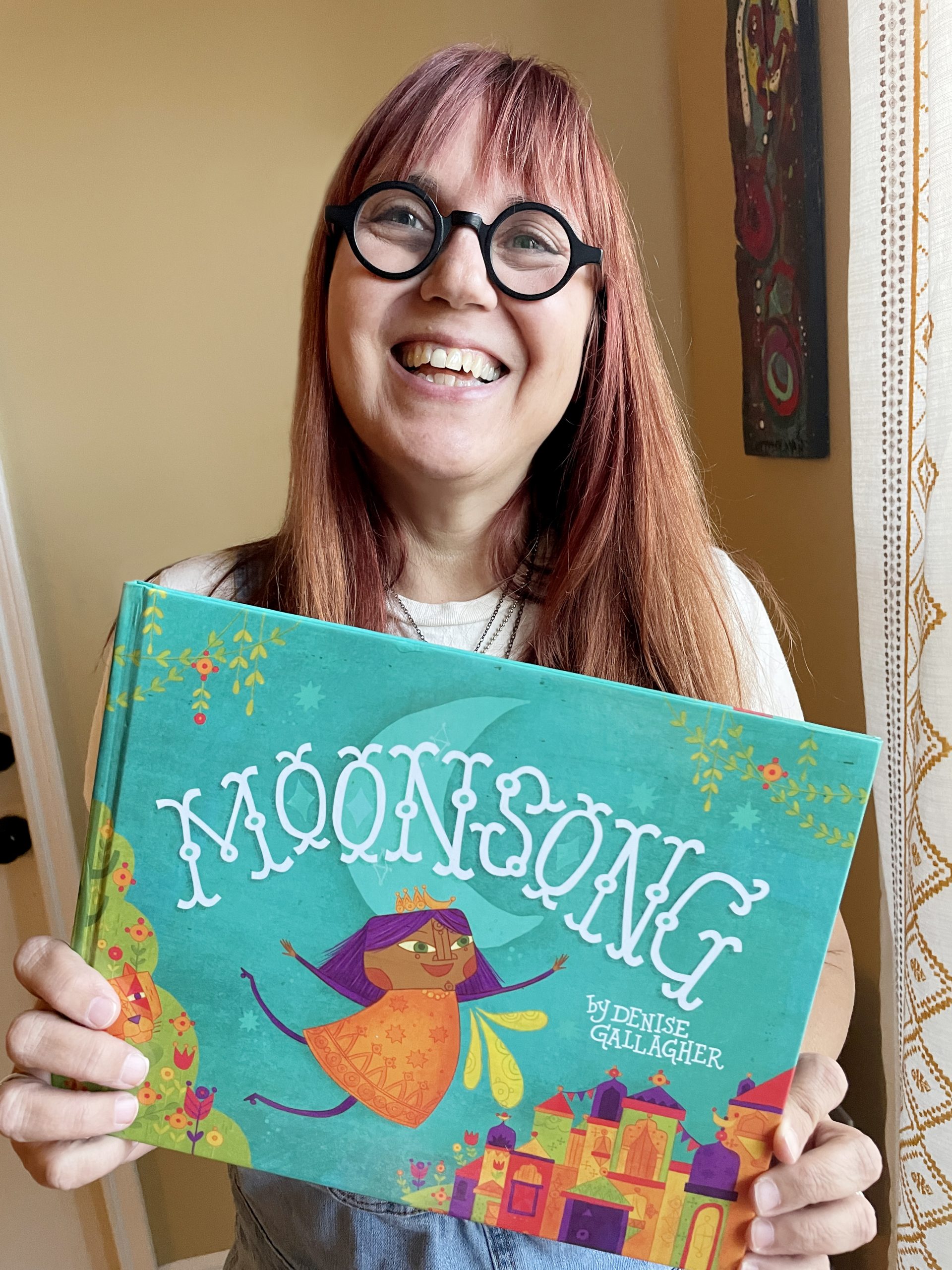
KidLit Connection: Getting to Know Author-Illustrator, Denise Gallagher


Denise Gallagher, author/illustrator of
Moonsong

I’m so excited for another KidLit Connection interview! This month, I had the pleasure of interviewing illustrator, author, and designer Denise Gallagher. Denise creates colorful illustrations with a folkloric style that tell stories through imagination, animals, and nature. Her love for animals and folktales really shine in her latest picture book, Moonsong (Little Press, 2021), where a young girl named Fulki befriends a tiger in order to save her village’s moon. Denise’s illustration style is truly unique, inspired by rare and endangered animals, folklore and mythology, and the natural world around her.

Denise lives in Lafayette, Louisiana, where she finds much of her inspiration for her art. She’s also the Illustrator Coordinator for the Louisiana/Mississippi chapter of the Society of Children’s Book Writers and Illustrators. Her work has received numerous awards both for illustration and design. Denise hopes to inspire young readers and their grown-ups to find a love for art and literature through books and stories.

It was such a joy to hear from Denise. I hope you enjoy her insights and find inspiration in her words and her work.


An Interview with Denise Gallagher

First, I’d like to say thank you to Victoria for inviting me to be a part of her blog series. It’s an honor to share with you some of what I’ve learned along the way to becoming an author and illustrator of children’s books. So, thanks, Victoria!

Thanks, Denise! We’d love to know more about you as an artist and writer. What inspires you and your art and what do you love about your job as a KidLit illustrator and author?

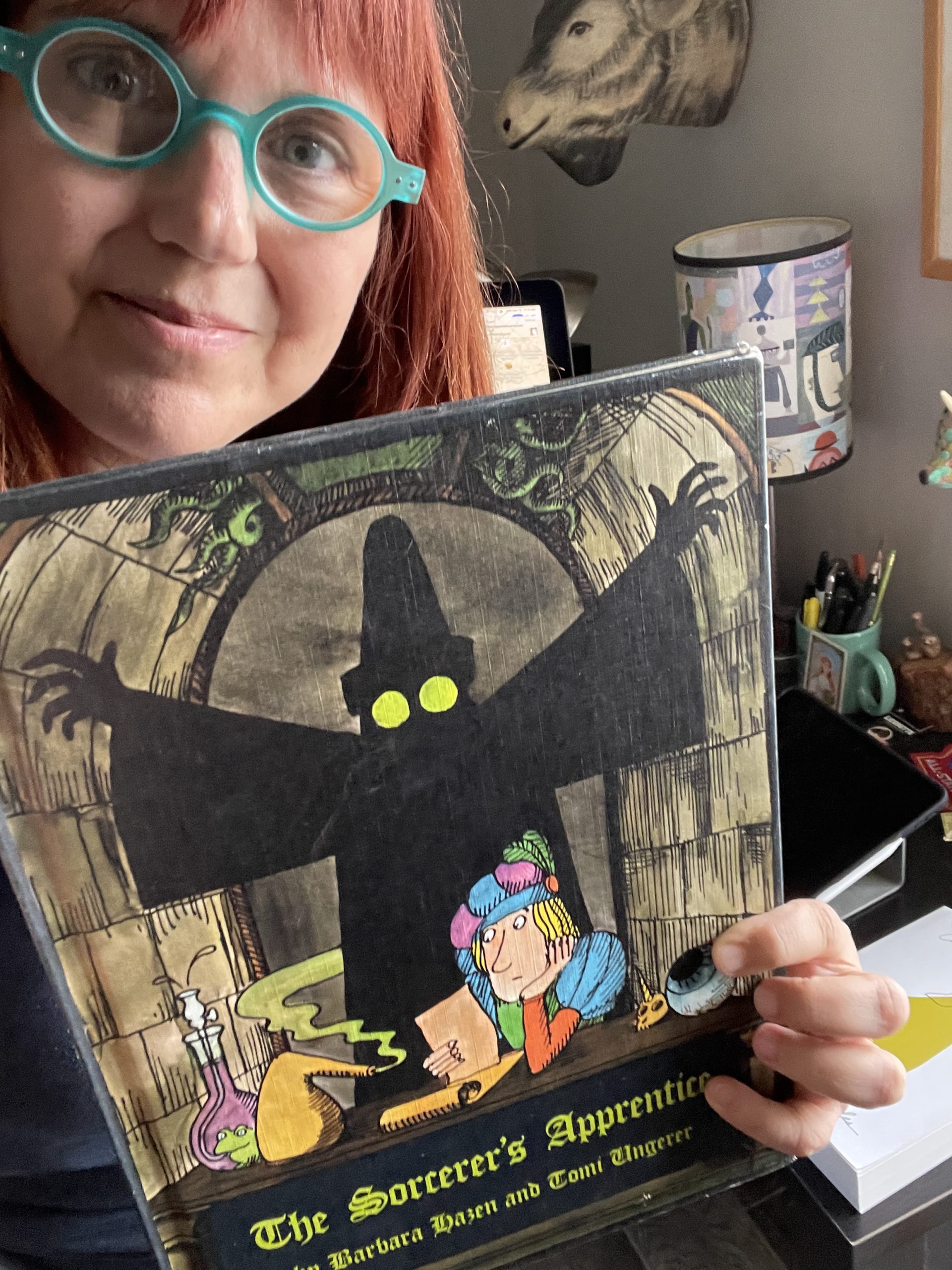
Denise holding her copy of
The Sorcerer’s Apprenctice,
illustrated by Tomi Ungerrer

I’ve always loved art and literature. From a young age I’d lose myself in picture books— imagining living in a little house illustrated by Garth Williams, or exploring the sorcerer’s castle as illustrated by Tomi Ungerer. Inspired, I’d while away afternoons drawing, drawing, drawing and writing as well. As an adult I hold the belief that picture books are a child’s first introduction to art and literature. The illustrations of Maurice Sendak, the stories of Kate DiCamillo — this is art! The type of art that inspires me to create. My heart is full knowing that I now am an author and illustrator of children’s literature and I hope that my stories and pictures resonate as art and inspire children and their parents as well. 


How did you start working in children’s literature? What inspired you to pursue this type of work?
After graduating with a degree in art, which included creating a fictional children’s bookstore called Platypus Planet as my senior thesis, I went to work as an art director at an ad agency. After many years, I made the scary leap of starting my own business focusing on illustration. Part of my plan was to finally pursue my dream of illustrating for children. This meant getting serious about it. I joined the Society of Children’s Book Writers and Illustrators (SCBWI) and attended my first conference. I won the portfolio showcase and took this as a good sign. But while there I also realized that there was SO MUCH to learn about the business of writing and illustrating for children! I set about learning as much as I could. I joined a critique group. I gave myself illustration assignments. Then I decided to write my own picture book in order to practice the art of emotion, character and story in illustration.

Your latest book MOONSONG is a colorful story with a folktale feel. What inspired this story? Please tell us more about it!
“Moonsong” actually started as a practice picture book. My first draft was titled “Claire de Loup” and was about a girl and a wolf in the forest. After many critiques, queries and workshops, “Claire de Loup” became “Moonsong,” the story of a girl and a tiger in the jungle. I love folktales. The language and story twists fascinate me. So I set about writing my own. “Moonsong” tells the story of a little girl named Fulki — a little girl a bit like me. She does her chores and her schoolwork, but has a rebellious streak. She challenges the status quo. She befriends a tiger and shares with him the things that she loves. And in the end, her ability to see the best in everyone, upends the old traditions and helps restore her village’s moon. 

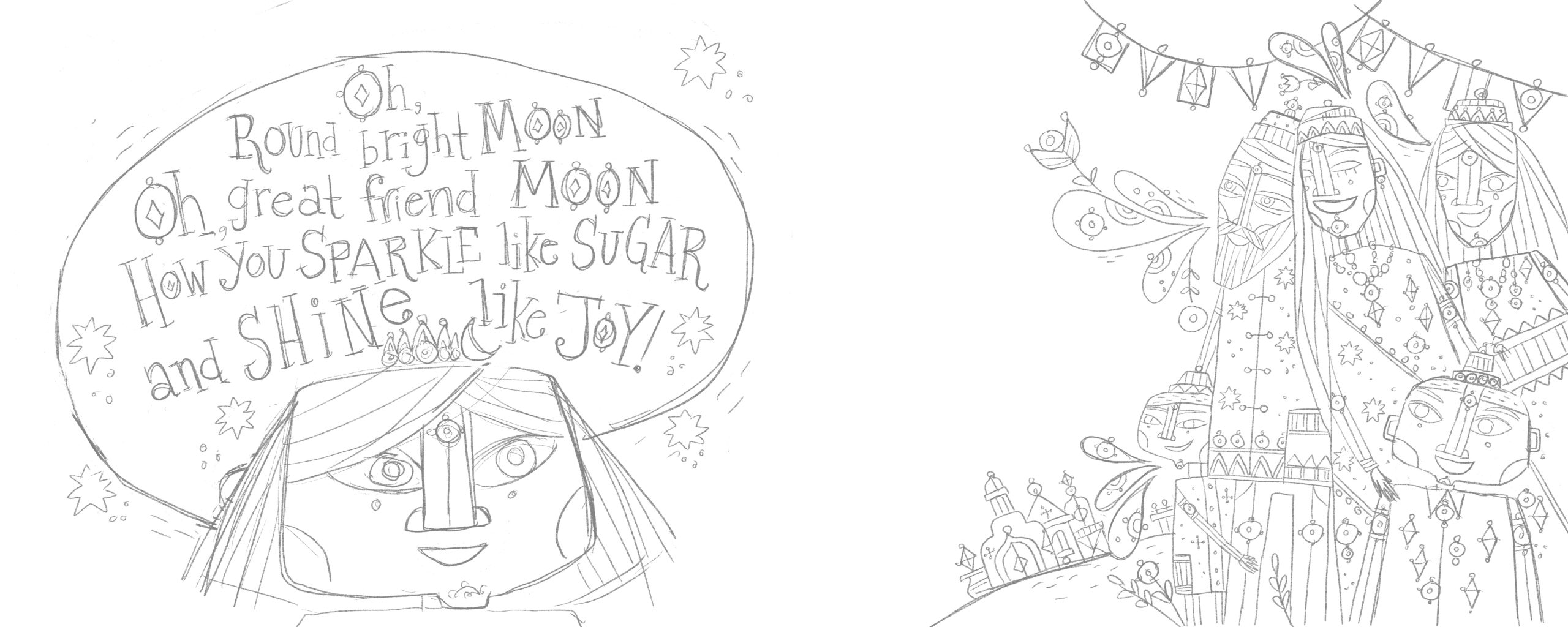
A sketch from a spread from Denise' Gallagher's book, MOONSONG. A pencil sketch of a little girl talking with the people in her village.
A sketch of a spread from MOONSONG
A full-color spread from Denise Gallgher's book, MOONSONG. A little girl talks with the people of her village.
The final art of a spread from MOONSONG.


What was your favorite part about creating MOONSONG? In addition, what was one of your greatest challenges of the creation process?
My favorite part about creating “Moonsong” was also the greatest challenge. This was the lightbulb moment where I completely changed everything I’d already created and my manuscript became what it is now. I’d had little luck querying the story as “Claire de Loup.” I think the idea of a girl and a wolf in the woods just got lost in the shuffle. Then, I attended a workshop led by Leslie Helakoski, an author, illustrator and Highlights Foundation instructor. Leslie encouraged the workshop attendees to shake up our stale manuscripts and see them from a different point of view. I got right to work and reimagined my story. By imagining a new setting, revised characters and a bolder color palette, I got excited about my story all over again. I scrapped everything I’d done, rewrote the story and created fresh new illustrations. This time it worked and “Moonsong” became a published picture book!


Could you tell us more about how nature plays into your work and what role it has in your stories?
I LOVE animals. I love stories about them, videos of them, pictures of them. I love discovering an animal I’d never heard of — the more unique the better. Some of my favorites are the pink fairy armadillo and the pangolin. (Look them up!) I’m also concerned about our planet and the welfare of animals. I’ve mourned the loss of the ivory billed woodpecker (which was last seen in my home of Louisiana), the Tasmanian tiger and others. I hint at these themes in my writing, hoping to help children to understand the world and their place in it. Animals also play a big role in folktales and folklore. To me, that’s a perfect blend of storytelling.

You’ve also done illustration for children’s magazines in addition to books. Can you tell us about the differences and similarities between illustrating for magazines versus books?
The illustrations I’ve created for magazines have been to accompany short retellings of folktales. These typically include a large introductory illustration and a two or three smaller illustrations. I love the challenge of telling a complete story with just a few images. I also love researching the origins of the stories in order to include accurate details in my illustrations. These projects also tend to happen more quickly, so it’s fun to be able to share them with my audience. The publication of a book is a much longer process. It takes over a year at least and I’m really bad at keeping secrets!

Denise with her newest middle
grade novel manuscript

You also have some other projects in the works. We’d love to hear about them! Could you tell us more about what you’re working on?
As an illustrator, I also create magazine covers, festival posters and packaging. These are all fun projects that keep me busy in between books and allow me to work in different illustrative and graphic design styles. I am also currently querying a partially-illustrated middle grade novel. I never dreamed that I’d write a novel. But after finishing “Moonsong” I had an idea for a story that just demanded to be longer! I was inspired to write by my son who is a violinist. The manuscript is complete and I’m working on some color images and spot illustrations. I’m really happy about the story and I simply cannot wait for you all to read it!

What is your biggest dream for your work as a creator of art and stories for kids?

Maurice Sendak, one of the children’s artists that I most admire, worked in musical theater. My biggest dream is to also one day see one of my stories adapted as a musical theater production. I’m inspired by music and it plays a large part in my work. Both of my picture books use alliteration, onomatopoeia, and whimsical language to tell different musical stories. My novel is a magical tale about a young violinist in search of the truth about his past. Music fills me with so much emotion that to see one of my works musically grow beyond the page would be a dream come true.

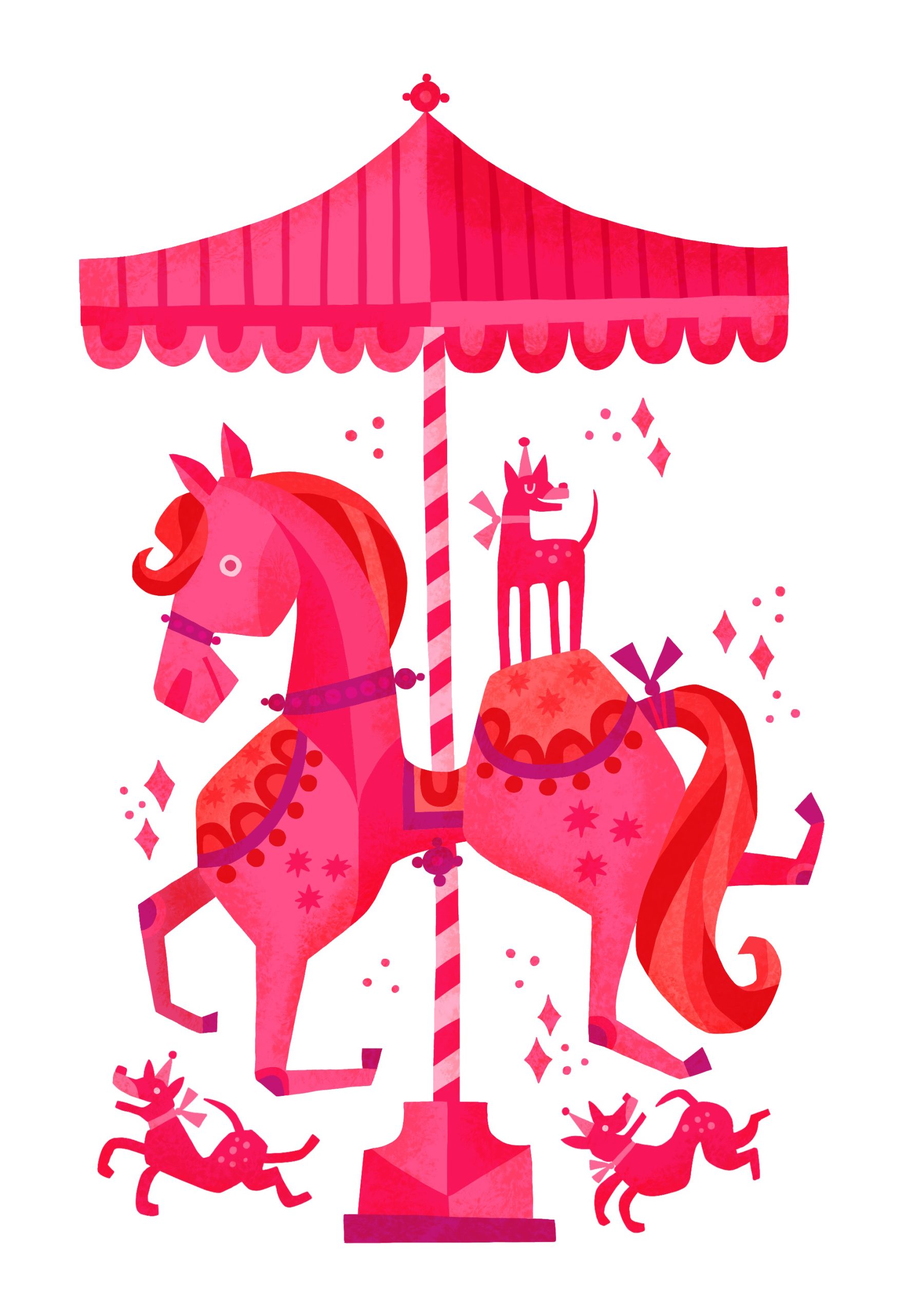
A pink carousel with a horse and three dogs jumping around it, illustrated by Denise Gallagher.

What is something you’d like to tell aspiring picture book authors/illustrators?
One thing that is important for aspiring picture book authors and illustrators to realize is that getting a picture book published is NOT easy. It can be rewarding and exciting, but there is a LOT of work that goes into it and the process can take a long time. I’d recommend for anyone just starting out to do your homework. Join SCBWI and go to conferences. There are often local events for authors and illustrators that non-members can attend. Find and attend a critique group. Listen to what the group participants say about other work as well as your own. Follow authors, agents and publishers on social media, especially those whose work you admire. Social media is a great place to hear about the ins and outs of publishing. Publishing is a business, though, so be professional. Read. Read. Read! Especially current picture books. Spend a day at the library and take note of what grabs your attention. But most of all, put in the hard work. Take it slowly and don’t be afraid to fail, then get up and start fresh. Publishing really is a learning process and there is a lot to learn! Good luck on your journey!

See more from Denise Gallagher

You can see more from Denise Gallagher by visiting her website and social media pages:

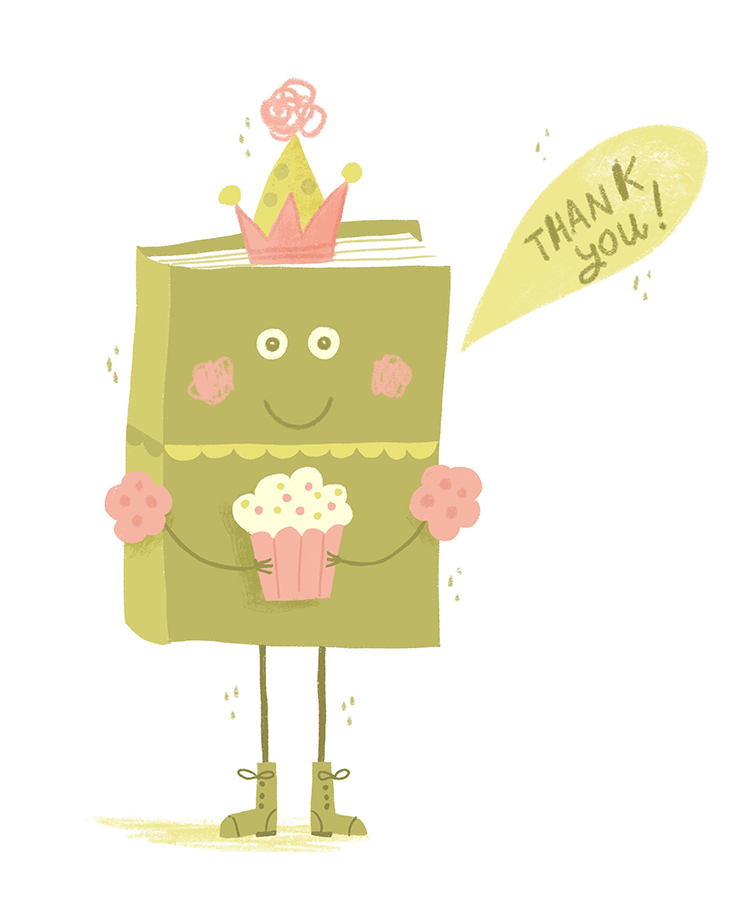
An illustration of a smiling book holding a cupcake and saying, "Thank you"! Created by Denise Gallagher.

Are you a published or soon-to-be published children’s illustrator or author/illustrator who’s interested in being interviewed as part of the KidLit Connection series? If your work has a focus on nature, the environment, animals, or mindfulness, I’d love to chat with you! You can get in touch with me using the contact form on my site.


An Artist’s Toolbox: Exploring Watercolor Brands

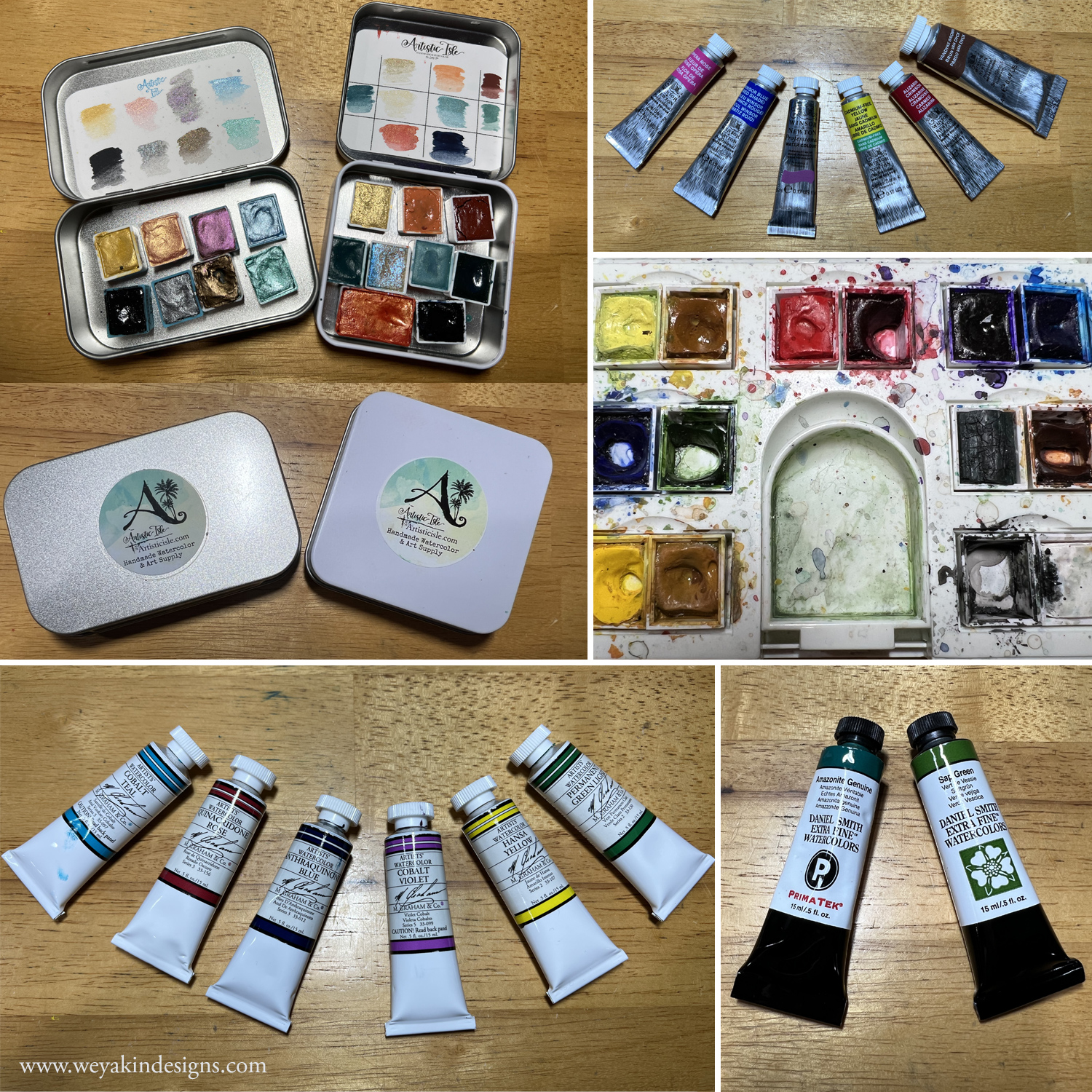
A bunch of different watercolor paints in both pan and tube form, spread out on a table.

There are a lot of materials for artists to choose from in the world. How do you settle on one medium, let alone specific brands of that medium? One of my favorite ways is to explore and play with mediums, especially my favorite—watercolors. Every year, my family will find various art supplies that I probably don’t need but want to try on my holiday gift list. And sometimes they surprise me too!

I fell in love with watercolors early on when I was a kid, and even more so when I discovered watercolors outside of the standard kids’ paints. My first set of “real” watercolors was gifted to me by my parents—an extensive full-pan set of the Winsor & Newton Cotman paints (their student-grade line). It was my go-to set for many years, which I added on to with liquid tube colors here and there. When I could afford it later on, I upgraded to their professional line, which offers more vibrant and longer-lasting pigment, though with an extra price tag. I was a Winsor & Newton gal for many years.

But, like many artists, I like to play and try out new things. I love it when other people introduce me to new materials to try. One year, my brother-in-law and sister-in-law gave me several tubes of M. Graham and Co. honey-based watercolors. As stocking stuffers, my husband gave me several Daniel Smith gemstone pigment watercolors from their PrimaTek line. I gifted myself some handmade pan watercolors from Artistic Isle after watching the amazing illustrator Stephanie Law create breathtaking shimmering pieces with them. I just had to try those out. I’ve purchased a tube of this or a tube of that when I’m looking for a particular pigment. I’ve built up a nice collection of watercolors that I like to mix and match. But, I’m always looking for other things to try.

To give you a sense of just a handful of the watercolor brands out there, I wrote a little bit about my experience with four different brands: Winsor & Newton, Daniel Smith, M. Graham & Co., and Artistic Isle.


Winsor & Newton

Winsor & Newton art company logo.

Winsor & Newton is a standard in the art world because their products are reliable and high-quality in both student-grade to professional. They have a variety of styles and colors to choose from and they’re relatively easy to find. You can find both liquid tube style and pan style in both the student and professional grade. Beginners find Winsor & Newton nice to start with because they have a lot of sets with a variety of basic colors that make it so you don’t have to think too hard about what colors you need to get. And the Cotman student line is a lot more affordable. But, professionals will also find their choice of over 100 colors for their needs with a vibrancy that’s consistent and mixes well.

What I like about them:

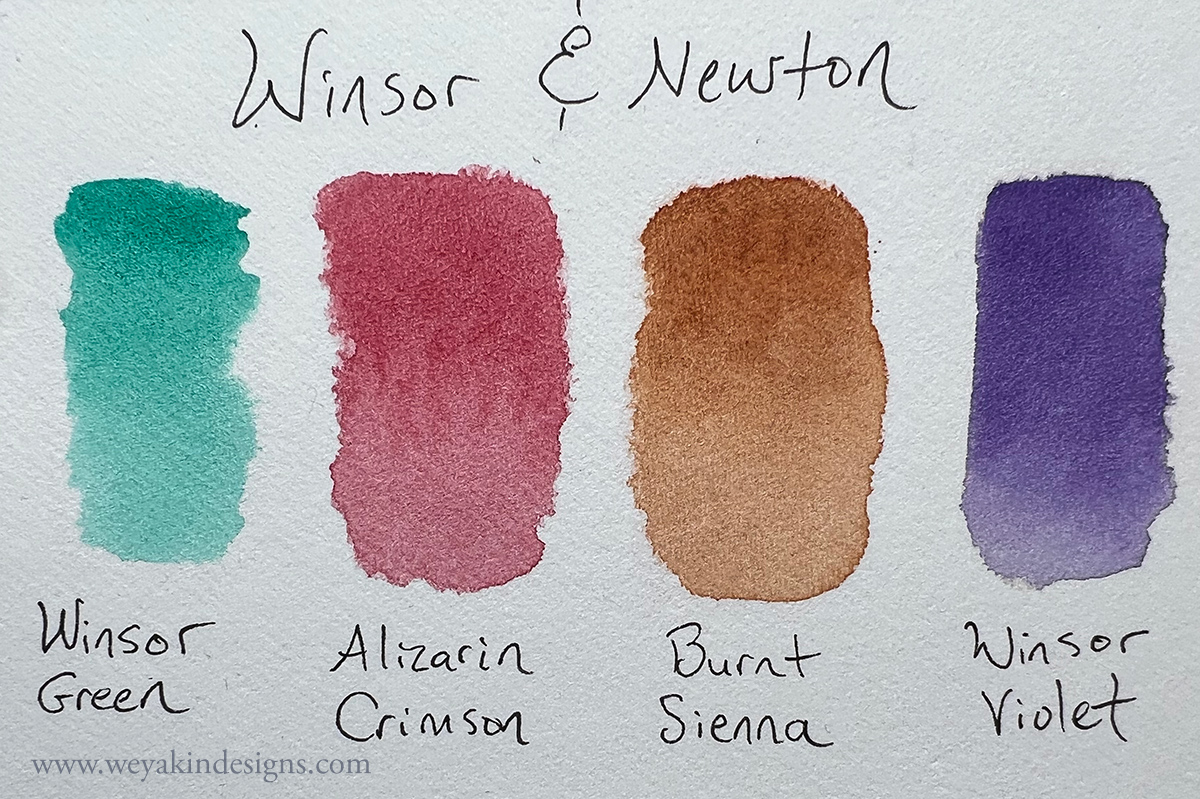
A sample card of Winsor & Newton watercolors, including the colors, Winsor Green, Alizarin Crimson, Burnt Sienna, and Winsor Violet.
Winsor & Newton Sample Card

Winsor & Newton has a consistent quality and range of colors to choose from—108 colors in their professional line to be exact. When I buy a tube of Winsor & Newton, I know what I’m getting and I know it’s easy to find at most art stores. I also appreciate that many of their colors come in more than one size. So, if I want just a little bit of one color, I can get a smaller 5ml tube. If I know I’m going to use a lot of a certain color, I can get the larger 14ml tube. 

They also have cadmium-based colors in real cadmium (brighter color) or cadmium hues (not as bright, but overall safer and nice for student classroom situations). It’s nice to have choices. They also have a lot of mediums to use with watercolors to change up how the paint acts and what you can do with it, which can be fun to explore. I particularly love their iridescent medium.

Daniel Smith

Daniel Smith art company watercolor logo.

Daniel Smith also has a wide range of watercolors to choose from, including several specialty lines. I have the most experience with the PrimaTek gemstone pigments, but I also have tried out the Extra Fine line of paints. One quality that Daniel Smith watercolors are known for is the granulation. Granulation is when the pigment separates in water, forming clumps of deeper color in some areas, which creates some of the interesting textures watercolor is known for. If you’re an artist who likes to play with texture and variations in pigment, granulation is something you’ll want.

What I like about them:

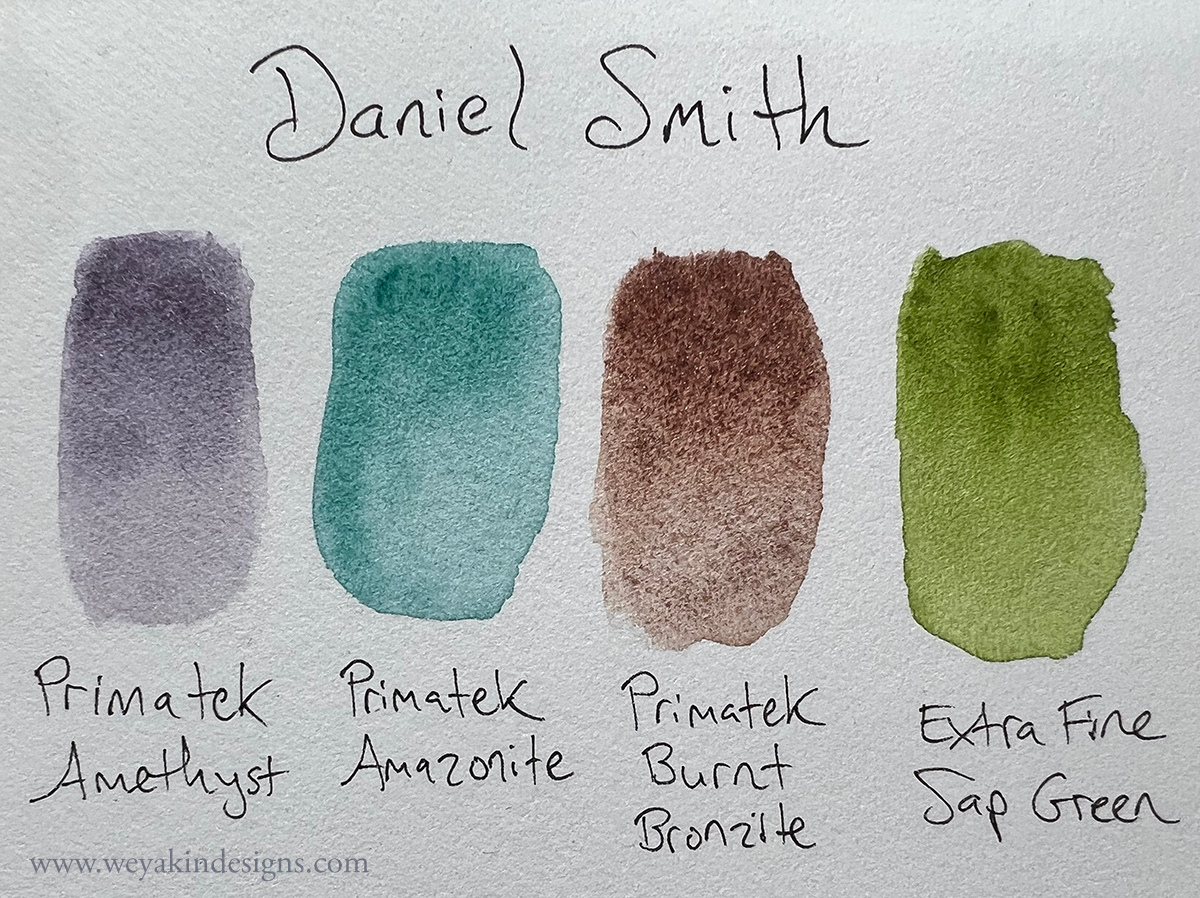
A sample card of Daniel Smith watercolors, including Primatek Amethyst, Primatek Amazonite, Primatek Burnt Bronzite, and Extra Fine Sap Green.
Daniel Smith Sample Card

One thing I like about Daniel Smith is the consistency of quality. When you buy Daniel Smith, you know it’s high-quality and will last a long time. The Extra Fine line has a nice range of colors, which as mentioned before, granulate really nicely. This is great if you want texture and a natural flow to your color.

I really enjoy Daniel Smith’s PrimaTek line in particular. PrimaTek watercolors are made with actual gemstone pigments, including things like amethyst, bronzite, amazonite, sodalite, and garnet. Because they use actual gemstones in the pigment, many of them have a slight shimmer to them, which is a fun bonus. But, the color is also more of a muted and soft tone. Sometimes, that’s what you’re going for, so it’s nice for projects that have a softer color palette.

M. Graham & Co.

M. Graham & Co. art company logo.

M. Graham & Co. uses a different approach for their paint production than some of the other art supply companies. One unique quality of their watercolors is that they use blackberry honey as a main ingredient. This creates a different consistency in the paint than standard watercolors both in how it spreads on the page and how it sits in your pan. This paint always remains tacky, even when exposed to air. This can be great if you prefer working with watercolors while they’re soft out of the tube. But, not so great if you want it to dry to pack it up, for example, in a travel pan. 

What I like about them:

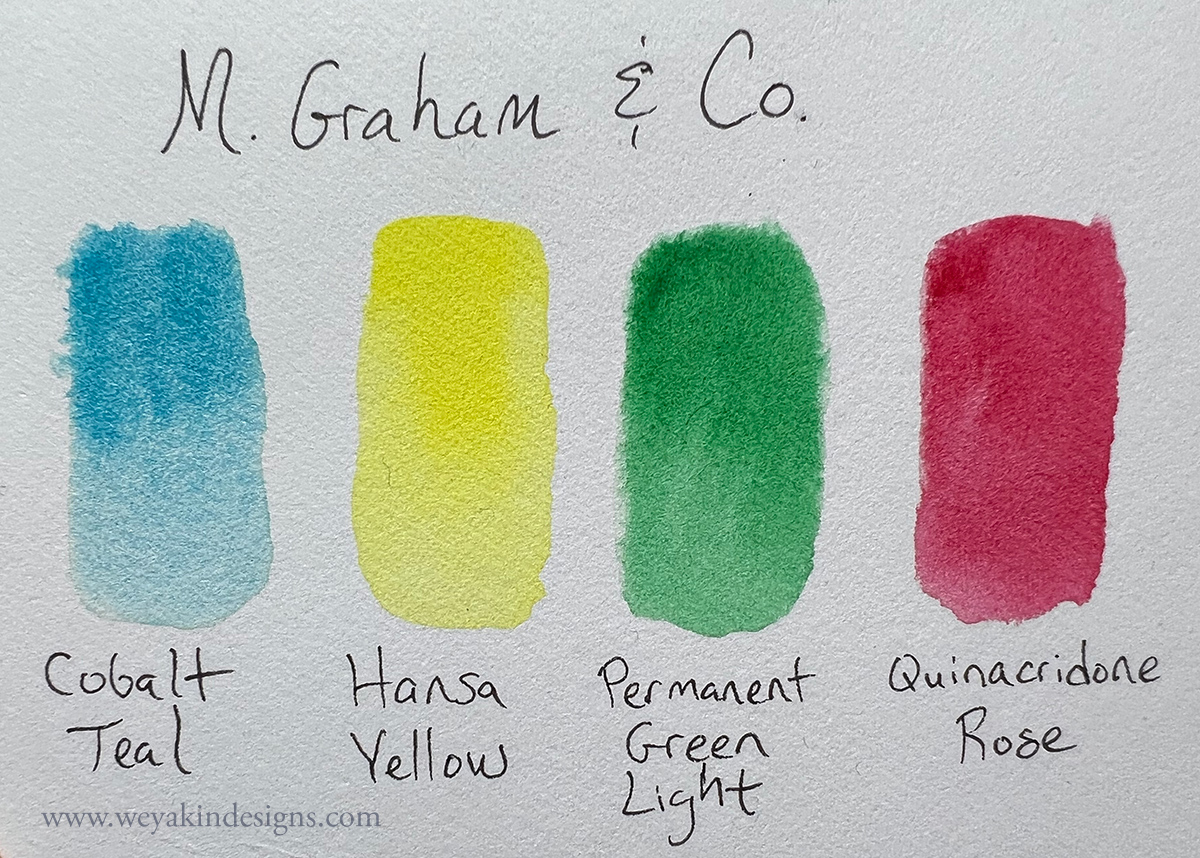
A sample card of M. Graham & Co. watercolors, including the colors, Cobalt Teal, Hansa Yellow, Permanent Green, and Quinacridone Rose.
M. Graham & Co. Sample Card

One of the things I really appreciate about M. Graham & Co. is that they use ingredients from nature as part of their commitment to preserving the environment. They also adhere to eco-friendly practices when running their business, including purchasing carbon off-sets and using renewable energy options. This is a big win for me as a consumer, knowing I’m buying from a company that cares about the Earth!

I also enjoy how M. Graham & Co.’s watercolors flow on the page. Because of the use of honey, the color spreads on the page in a very quick and smooth manner. It makes it really great for creating large washes, because it spreads so well before it dries. Their colors are also super vibrant and bright. If you want colors that pop off the page, you’ll find them in these paints. One of my favorite colors is their cobalt teal, because it’s a fantastic sky blue for children’s book illustrations that spreads on the page easily.

Artistic Isle

Artistic Isle art company logo.

Artist Isle is a different kind of art supply company than the others listed here. They are a family business, run by just a small handful of people. And unlike larger art supply operations, their paints are usually limited edition. This can be both a great thing and a not-so-great thing. You know that the colors you’re getting are unique in the way that only hand-made paint can be. But, if you fall in love with a color, chances are, if you run out, you won’t find it again. Artist Isle’s watercolor paints only come in pan style, so if you prefer tubes, you’re out of luck. That said, the unique quality may make you want to try them out anyway.

What I like about them:

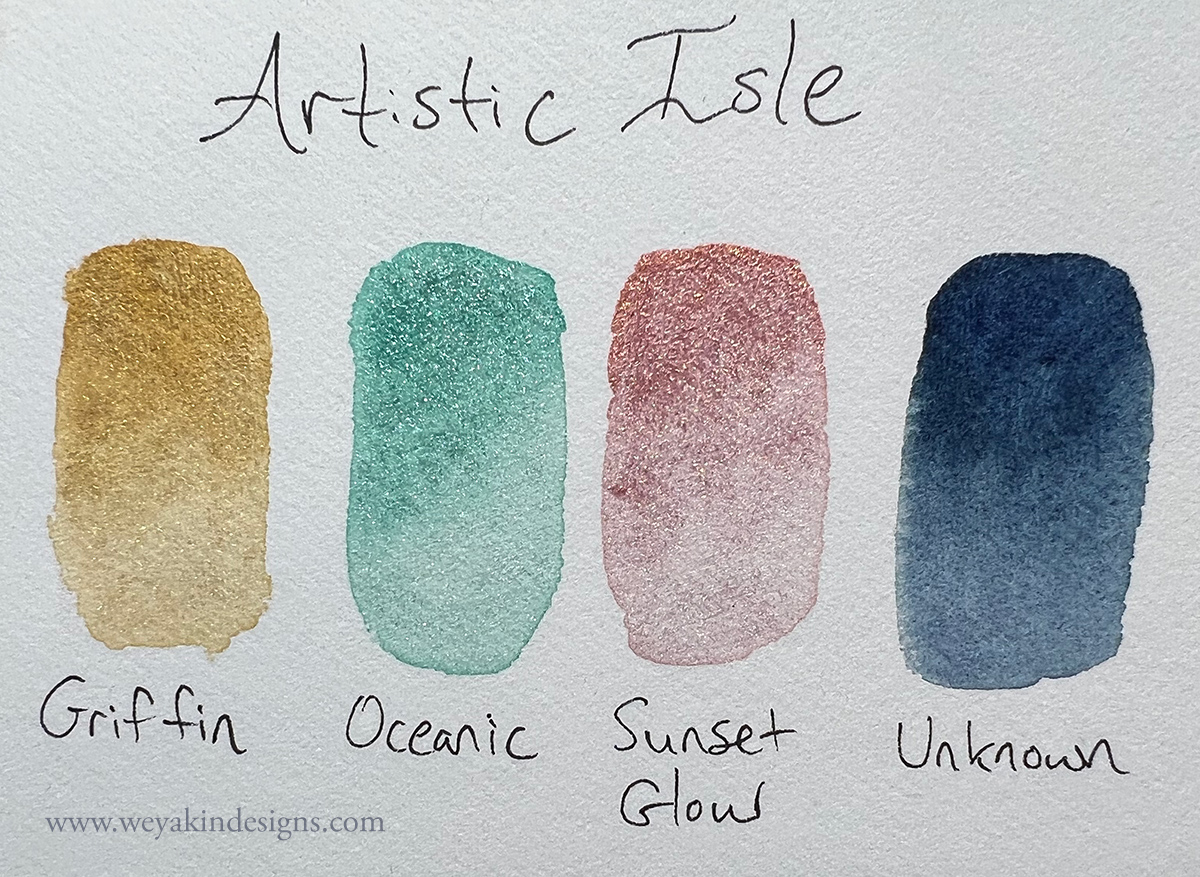
A sample card of watercolors by Artistic Isle, including the colors Griffin, Oceanic, Sunset Glow, and an unknown color that lost its label that is a navy blue color.
Artistic Isle Sample Card

One of the watercolor products Artist Isle is known for is their metallic and shimmery paints. They create colors that have a lovely fairy-like shimmer and shine that adds a really magical touch to original art. They also make some colors that have two tones depending on which way the piece is facing. This can be really fun for original art in-person, but perhaps less-so for reproduced art. They do have regular watercolors that aren’t metallic or shimmery as well, and those colors are also wonderful to work with.

I love that you can find colors they create by hand that nobody else has. I just wish I could get my favorites again if I run out! As a bonus, they often give you a freebie pan when you order a certain amount and a lovely hand-written note. If you enjoy process videos, they also have some interesting reels on Instagram of the process of making their paints. I also love that their pans come with magnets adhered to the bottom so they easily fit into their watercolor tins, which makes it easy to arrange them how you want and take them with you.


I hope you found this review of watercolors helpful. No matter what brand of paint you try, it’s always fun to explore and play. As professionals, sometimes we can forget about the art of play, but it’s also one of the most important parts of our creative process. If you want to break out of a creative rut, maybe try something new just for fun!


KitLit Connection: Getting to Know Author-Illustrator, Kaz Windness

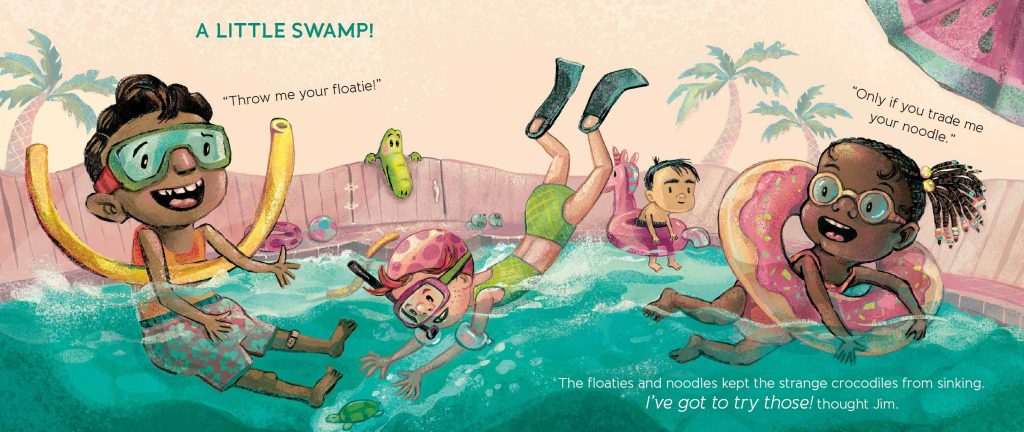
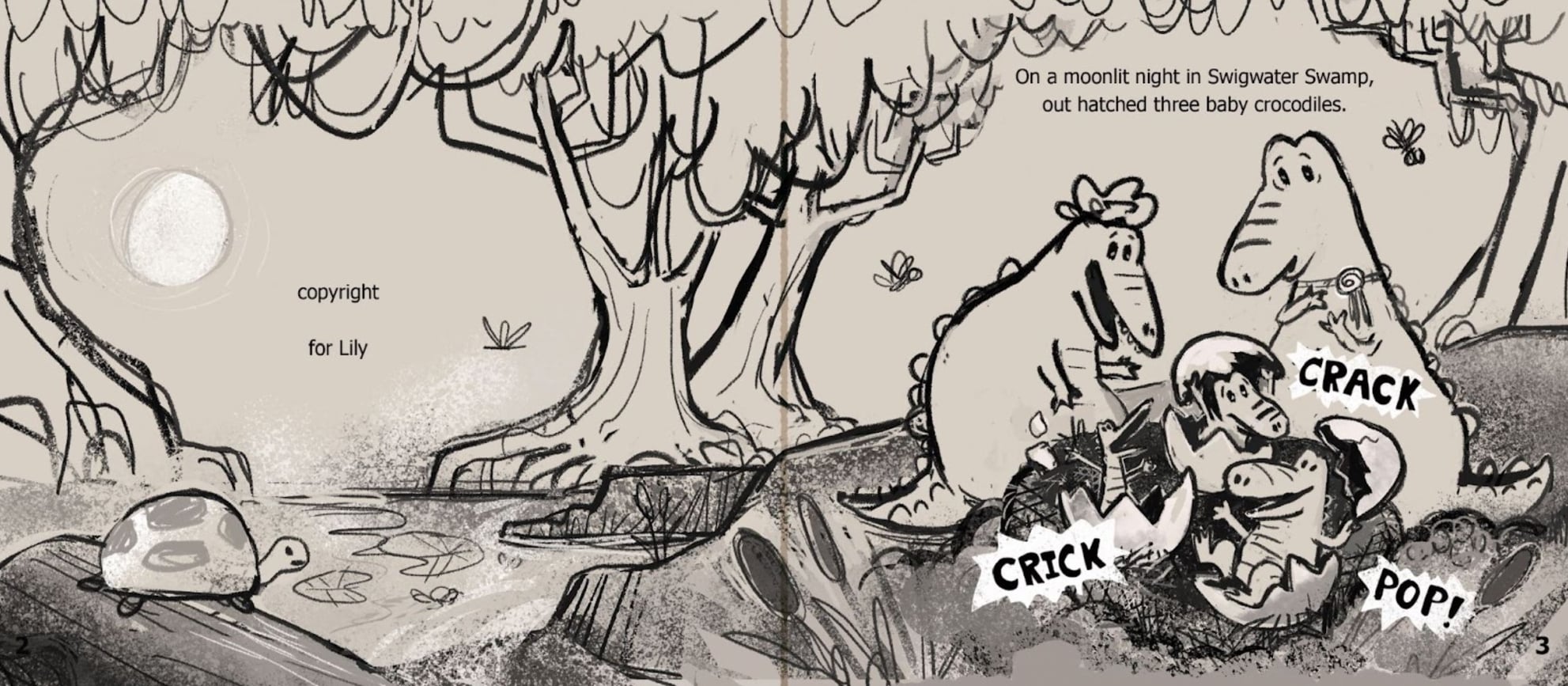
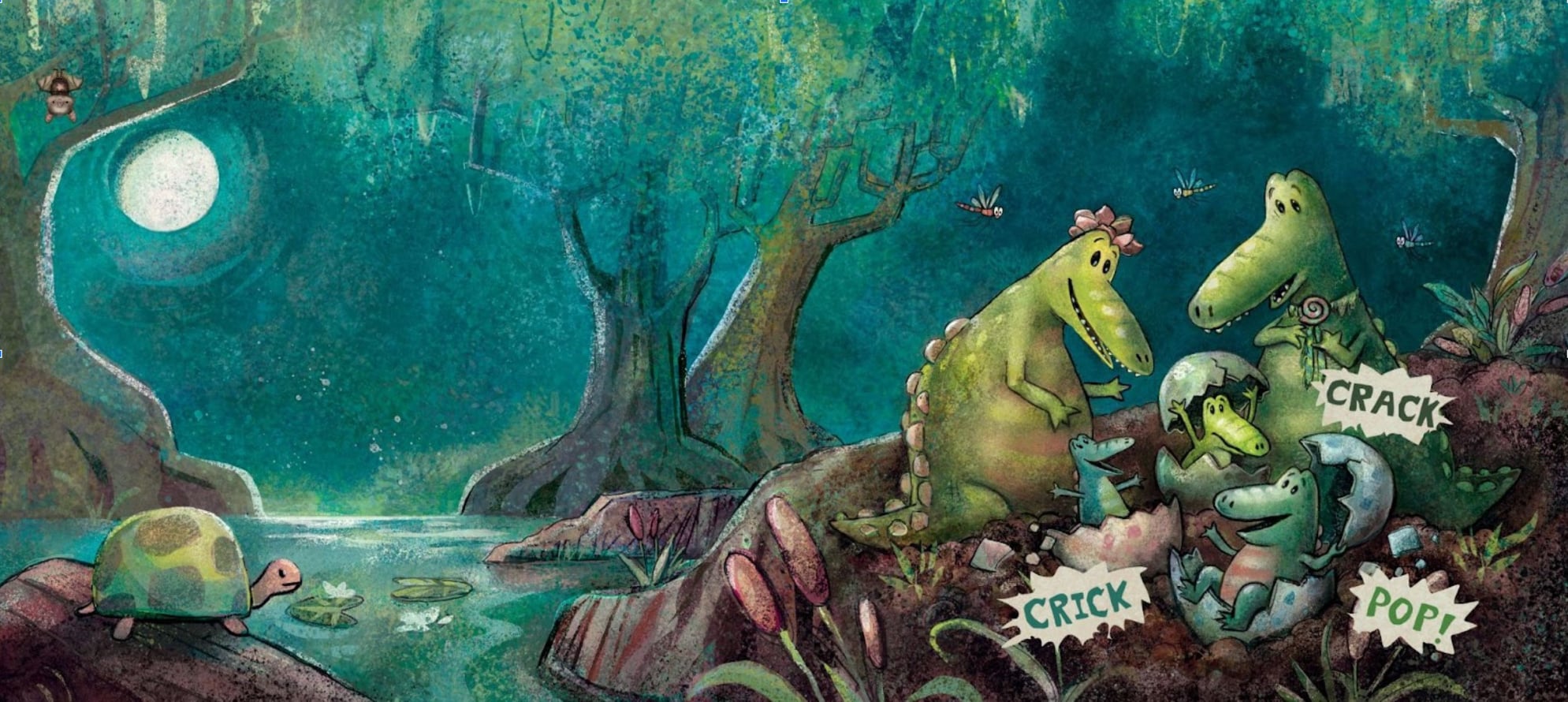
A spread from Kaz Windess’ latest release, Swim, Jim!
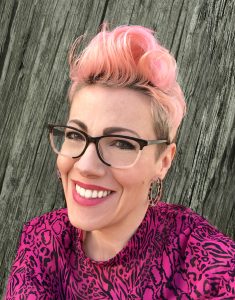
Author-illustrator Kaz Windess smiles for a portrait with pink hair and a hot pink animal print shirt.
Kaz Windness

I’m so excited to introduce the next illustrator in the KidLit Connection series! Kaz Windness is an author and illustrator of picture books that use both humor and heart to help kids embrace their own unique qualities. Kaz often uses animal characters to explore emotion and challenging situations that kids might encounter. Her most recently published book Swim, Jim! (Simon & Schuster/Paula Wiseman Books) features a crocodile who is afraid of the water and the creative ways he figures out how to conquer his fears. The fun and colorful illustrations and relatable story make this a favorite for many kids, including my own. Kaz is proudly queer and autistic and also uses her stories to advocate for autistic kids or anyone who might be a little bit different.

Kaz lives in Colorado with her family and graduated from the Rocky Mountain College of Art and Design (RMCAD) in 2002. She is a mentor and advocate for illustrators, having volunteered for the Rocky Mountain chapter of SCBWI for many years. She is also a professor of illustration at RMCAD.

In this interview, Kaz tells us about what inspires her, how she hopes to help kids through her work, shares a bit about her process, and about her new books coming out next year. Thank you, Kaz for sharing more about you and your wonderful work as an author and illustrator!


An Interview with Kaz Windness

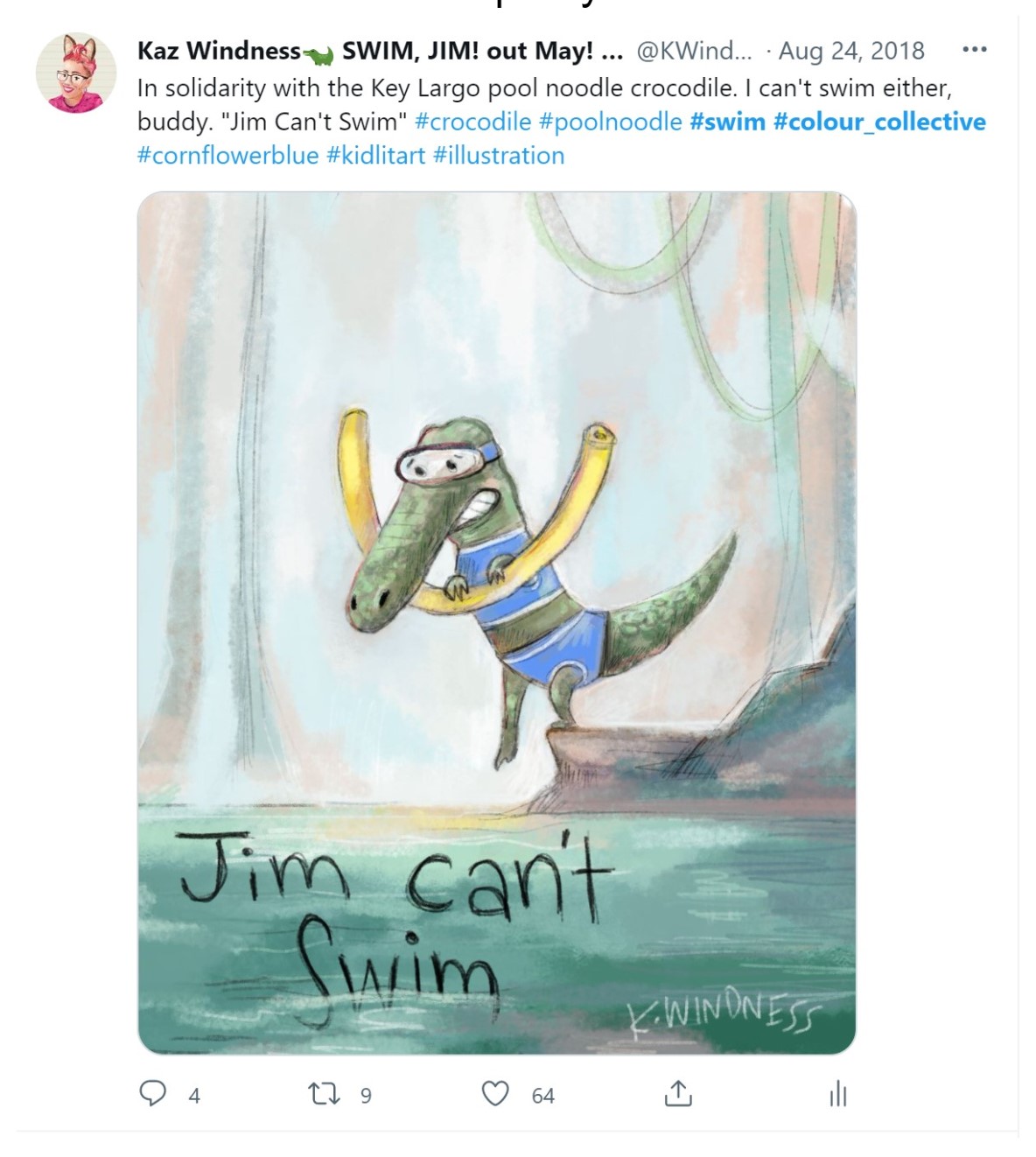
Early Swim, Jim! concept art on Twitter

We’d love to know more about you as an author and illustrator. Could you tell us about what inspires you and what you love about being a kidlit book creator?

It might be easier to tell you what doesn’t inspire me! I get inspiration from just about everything. I’ve always had an inquisitive and curious mind. I love drawing animals, so you’ll see animals in most of my work. All my characters are me in some way, so I’m always examining my childhood, my struggles, and my joy through my characters. 

“Swim, Jim!” is about my fear of the water. I love that telling my stories can help kids face their own fears and also know they are not alone. 

How did you first get into creating children’s book? What made you want to pursue this type of art?

I’ve wanted to be a children’s book author and illustrator since very early childhood. Even before I could write, I was telling stories with my drawings. 

My mom read to me and my younger brother every day and even used illustrations cut from Scholastic Book Fair purchases to decorate our apartment. 

I especially fell in love with “Where the Wild Things Are” by Maurice Sendak and I wanted to be like him when I grew up. (I’m still working on the Caldecott and the beard.) 

My four-year-old son absolutely loves your latest published book that you wrote and illustrated, SWIM, JIM! Can you tell us a little more about the book and what inspired you to write it?

That makes my heart so happy! Hello to your son! 

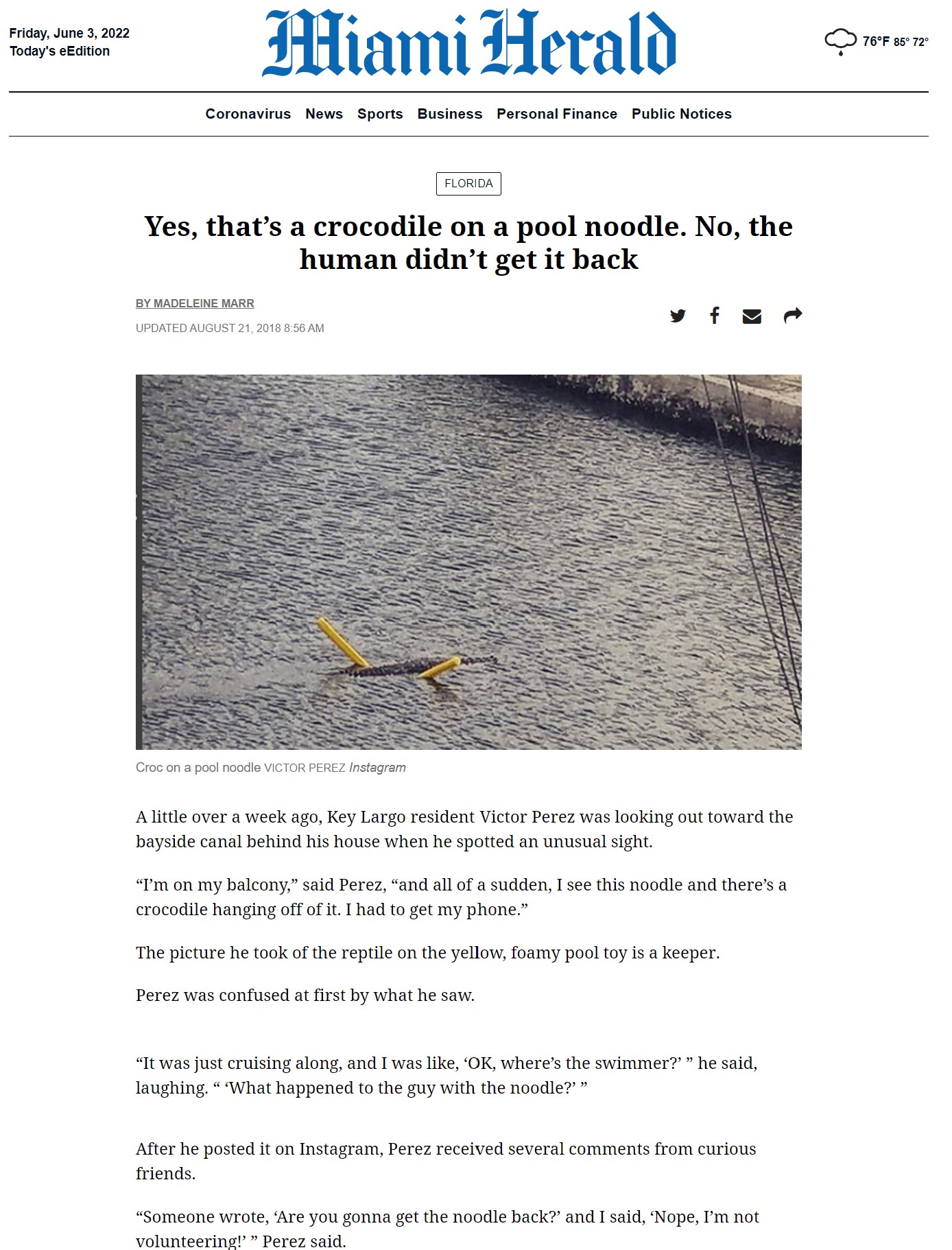
I had a bad swimming lesson experience when I was your son’s age, and never learned how to swim. When I saw a Miami Herald new article about a real crocodile swimming across a channel using a pool noodle, I immediately saw myself in that little crocodile and drew the first picture of Jim. I showed the drawing to my agent, and he said to write the story, so I did!

What was your favorite part about creating SWIM, JIM? And what was one of your greatest challenges in the process?

My favorite part is the fart joke. PLURP! 

This was my first experience working with an editor and art director, so there were multiple learning curves. My team was WONDERFUL, but the anxiety about messing things up kept me up many nights.

One of the challenges I didn’t expect was struggling to get the color green to reproduce well. There is something called the “pea soup effect” where green likes to turn into mud when printed. I spent a lot of time fighting with green—color correcting, adding flecks of other colors to make sure it was rich and vibrant. As Kermit aptly said, “It’s not easy being green!” A book about swamps and crocodiles is full of green, but I’m beyond happy with the results.

You also have two new books coming out next year, which is very exciting! Could you tell us more about those books and what they’re all about?

Sure! Thank you for asking!

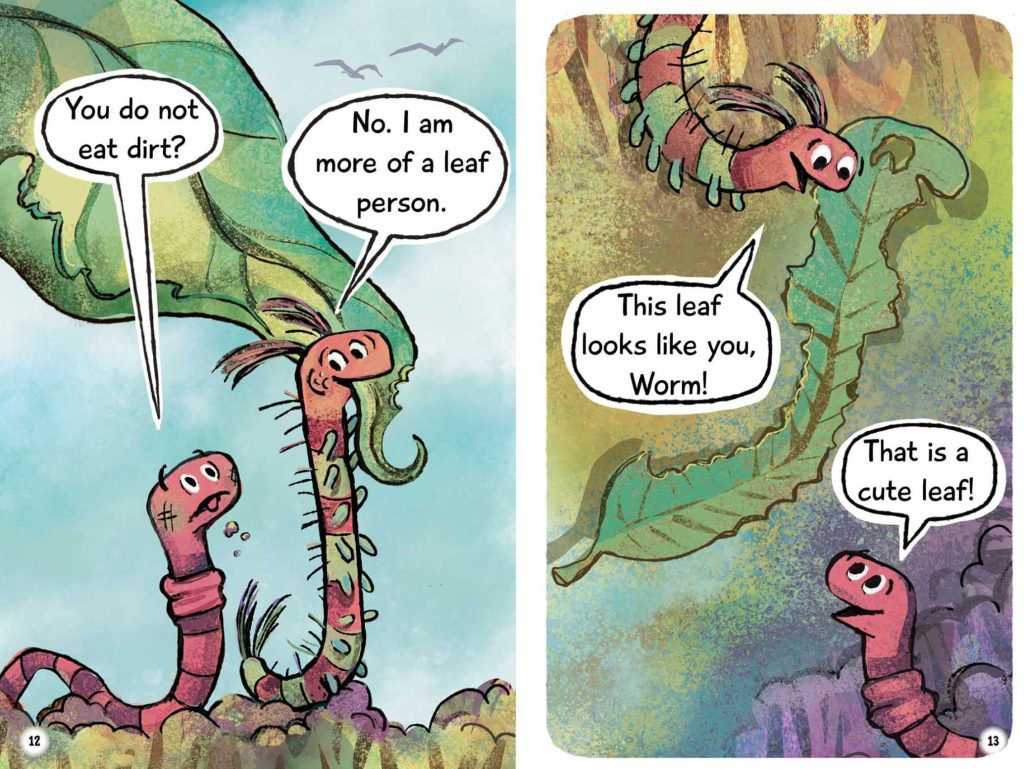
WORM AND CATERPILLAR (Simon Spotlight/Jan 2023) is about a friendship that is tested when Caterpillar goes through a BIG change and Worm learns to accept Butterfly. It’s a Level 1 reader in graphic novel format, but I think that means the book will stay off the radar of groups that want to suppress the important message of acceptance.

A preview page from Worm and Caterpillar

BITSY BAT, SCHOOL STAR (Simon & Schuster/Paula Wiseman Books/Summer 2023) is a “Bat to School” autism acceptance book starring a little bat whose world is turned upside down when she tries to fit in at a school for nocturnal animals. She’s the only flier and the only student who hangs from her toes, and tries to hide her differences but learns to celebrate her specialness and helps her classmates do the same.  

I’m autistic and so is my oldest child, so this book has special meaning to me and I’m so grateful to my editor, Catherine Laudone, for taking a chance on the book and me, too!

You obviously have a love for animals, which is wonderful! What is your favorite animal to draw and why?

BATS! I love drawing bats. I also love drawing pugs and I’m secretly working on a book that will give me the opportunity to draw lots and lots of pugs.

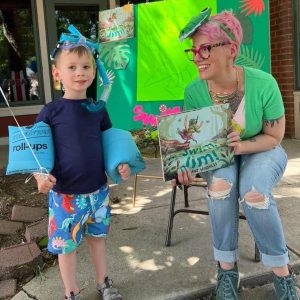
Kaz with a young reader fan of Swim, Jim!

What is your biggest hope for your work as a creator of books for kids?

Having a positive impact on children and giving them the safe space to explore big feelings and have a good laugh in the process has always been my goal. My career hope is to keep on having the opportunity to create meaningful books for young readers.

What is something you’d like to tell aspiring picture book authors/illustrators?

Quit if you can! 😉 But if you can’t, your persistence will pay off. Keep going. 

Get the feedback. Take the classes. Network. 

I’d like to plug Cuddlefish Academy here if that’s okay. If you’re struggling to break into children’s publishing and want to take your illustration and storytelling skills to the next level, our advanced kidlit online illustration school is designed specifically for you. All of our instructors are successful children’s book authors and illustrators and college art professors. We are launching VERY soon and specialize in personalized feedback and coaching. https://linktr.ee/cuddlefishacademy

And feel free to stay in touch with me on all your favorite social media sites here: https://linktr.ee/KazWindness
My portfolio website is here: www.WindnessBooks.com


Are you a published or soon-to-be published illustrator or author/illustrator who loves creating books about nature, animals, or the environment? I’d love to chat with you for a KidLit Connection interview! Send me a message.


10 Things to Consider at a Highlights Foundation Workshop

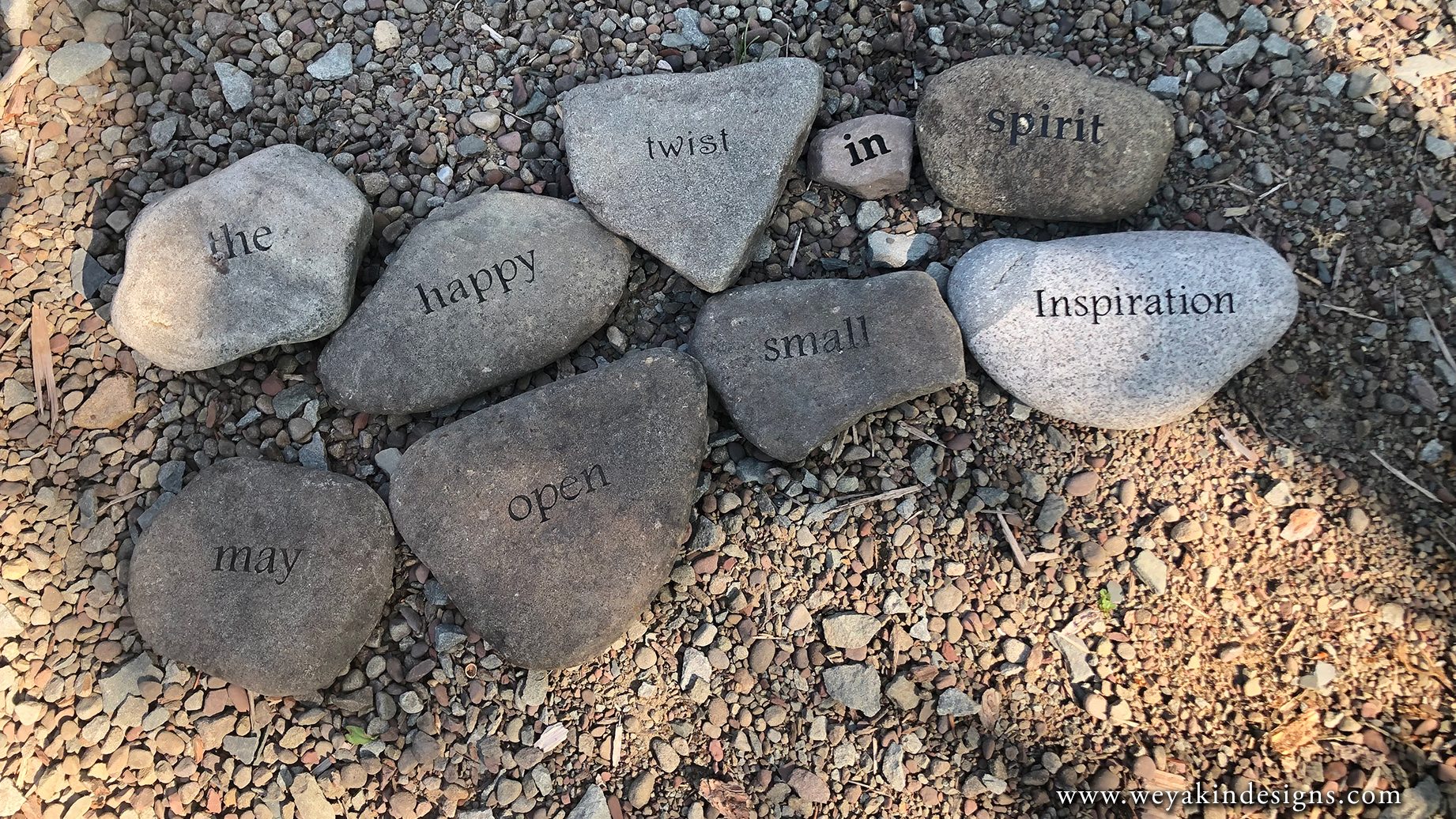
Stones on the ground that read, "the happy twist in spirit may open small inspiration" in the Word Garden at The Highlights Foundation. Poem and photo by Victoria K. Chapman.
A short poem created in the “Word Garden” at The Highlights Foundation

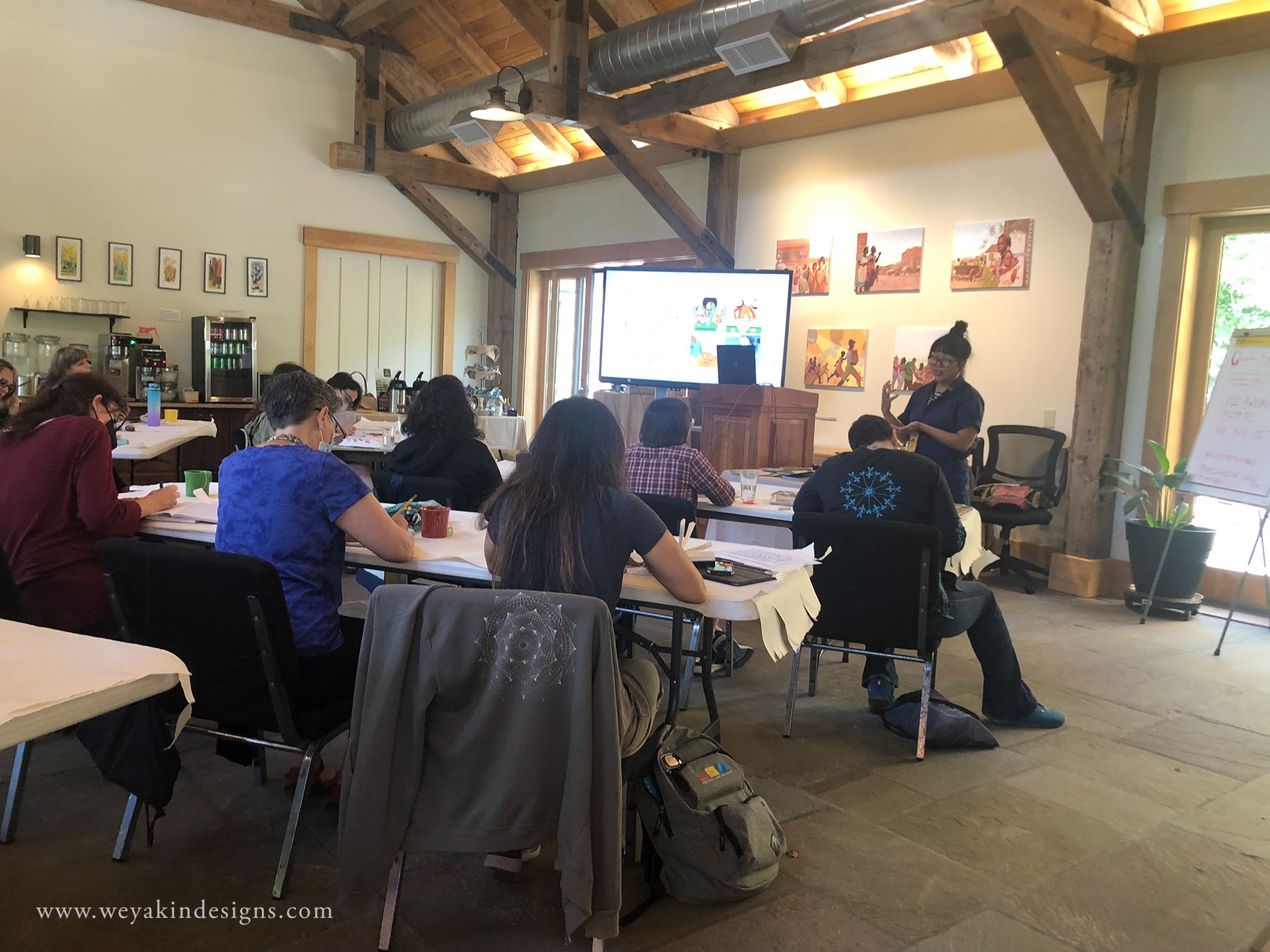
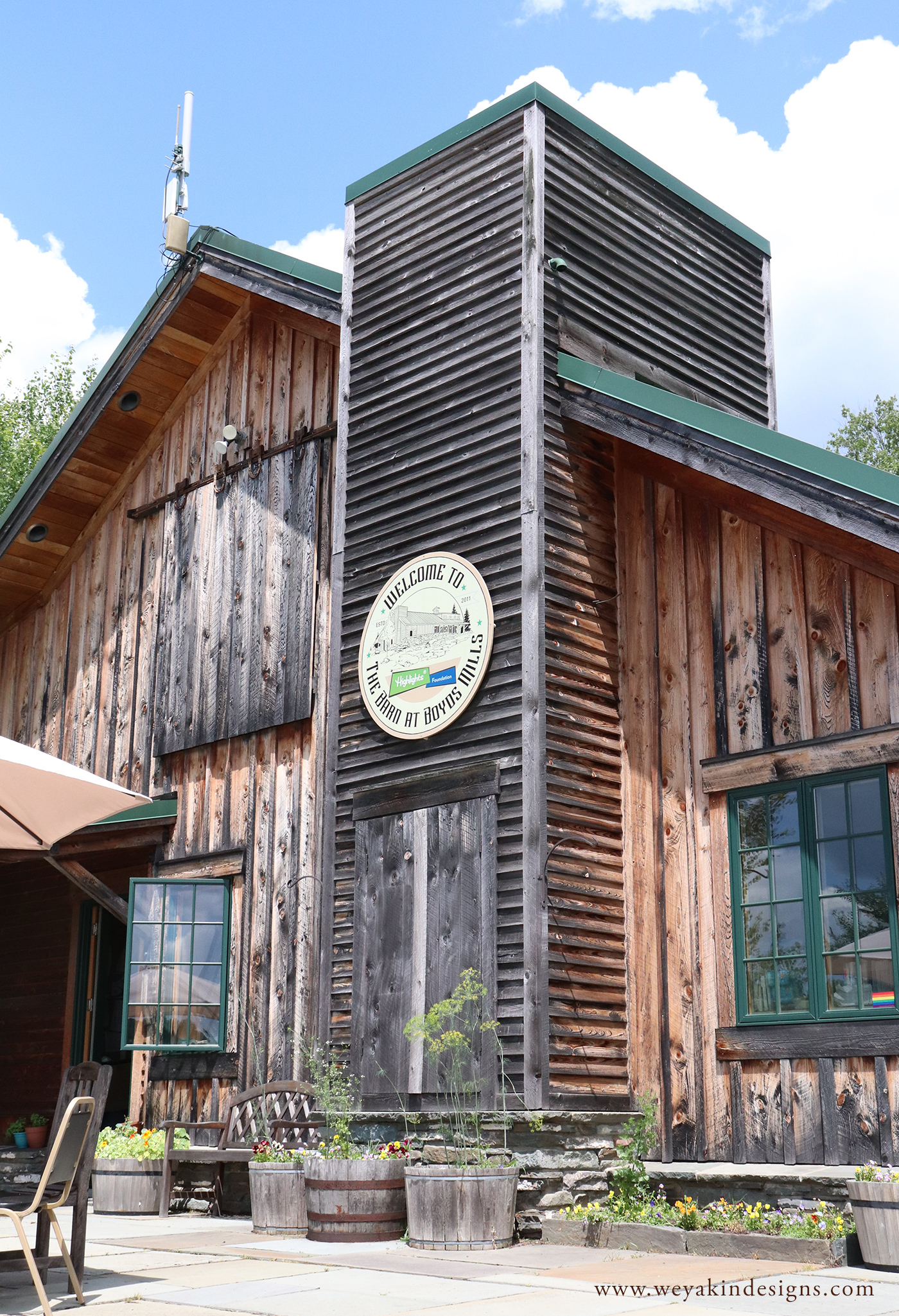
Earlier in July, I went away for almost a week to stay at The Highlights Foundation at The Barn at Boyds Mills in Pennsylvania. I attended the Summer Camp in Illustration intensive in order to grow my craft, learn from others, and make new connections in the children’s illustration field. Being there physically gave me the chance to really be immersed in the work and connect in a way I couldn’t if it was online from home. After two and a half years of everything online thanks to the pandemic, this was a welcomed change.

After my six days at The Highlights Foundation, I found myself struggling to succinctly and clearly describe my experience there. It was such a mind-opening and spirit-lifting time, it’s hard to put into words. Knowing that everyone’s experience is different, I’m speaking from my own perspective. And since my head is still buzzing with so many things I could say about my trip, I narrowed down to this list that I hope you find helpful.

Ten Things to Consider When Attending an In-Person Highlights Foundation Workshop:

  1. Be open to experience. Don’t arrive with a specific expectation. Arrive with your mind and spirit open to receive whatever it is that happens. I couldn’t predict how my week would go. And it was so much better than I might have guessed.

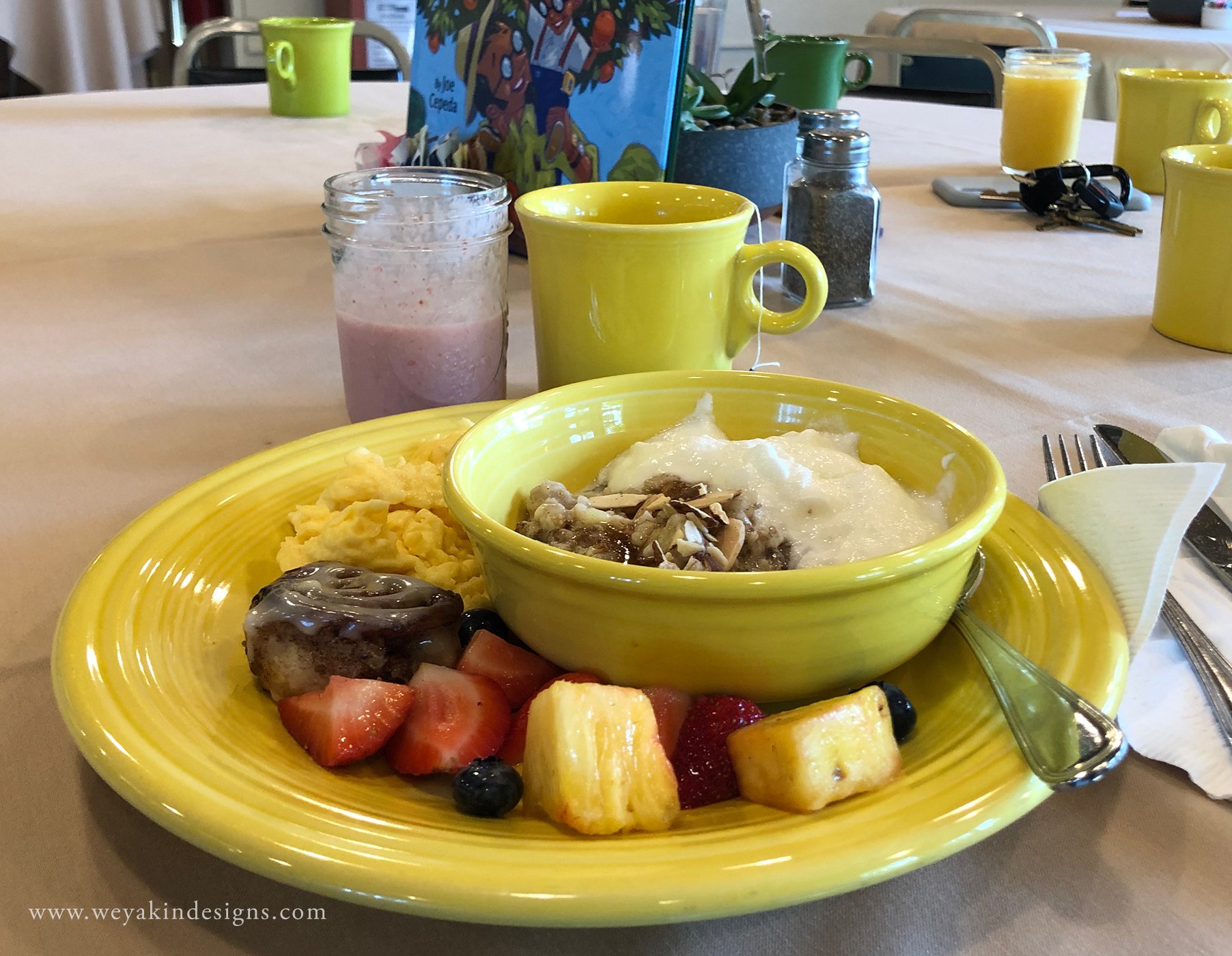
  2. Arrive hungry. Because they feed you three meals a day and snacks in between. And it’s not just any old food. It’s amazing, local, fresh, and different every day. If you have a special diet, don’t worry—they’ve got you covered. I’m a vegetarian and I had one of the best culinary experiences I’ve had in a while.

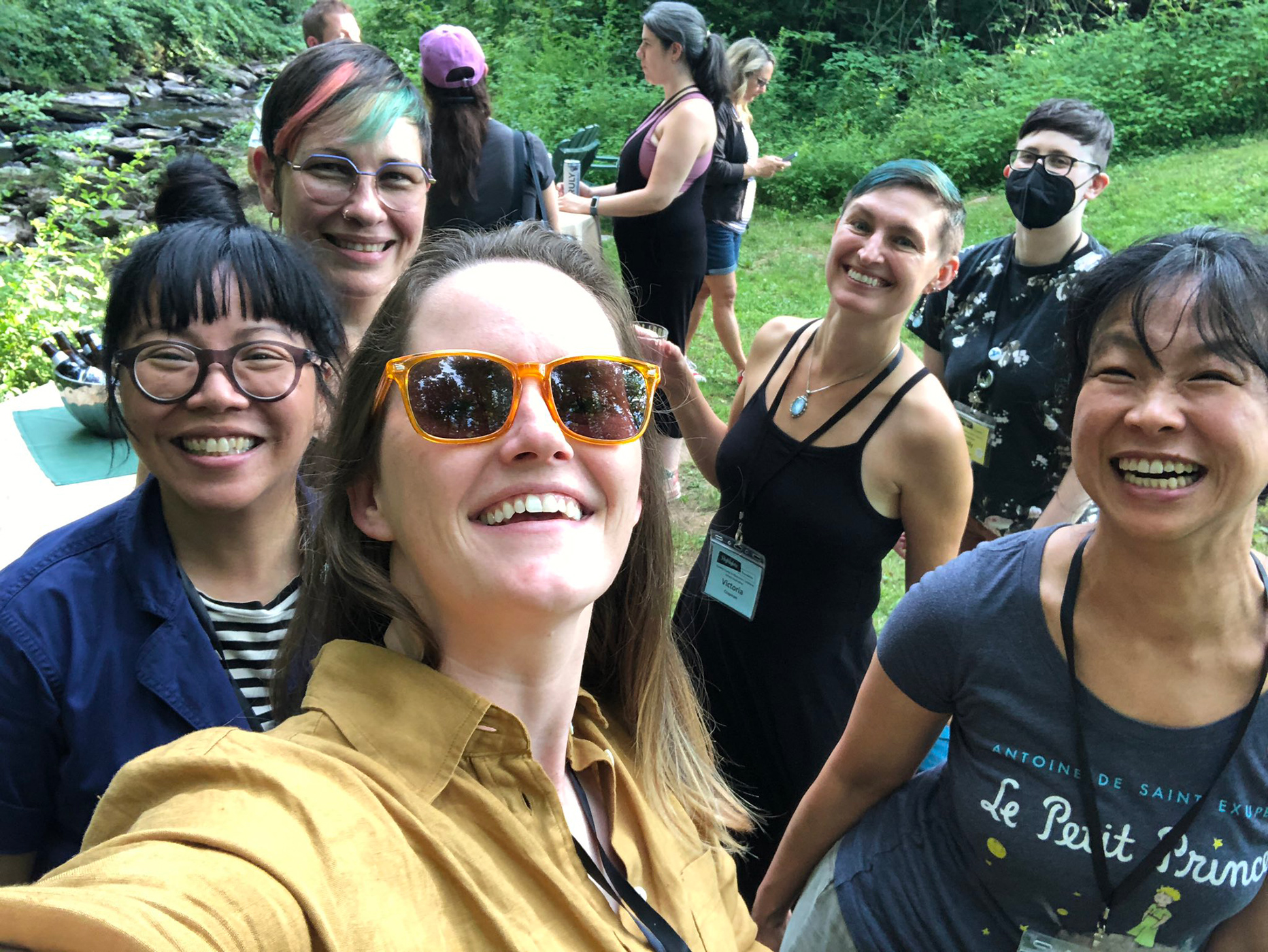
  3. Be social. I know not everyone has an easy time with being social among strangers. But, believe me—people at Highlights who attend a workshop with you will not be strangers for long. Connecting with other kidlit illustrators and author/illustrators was one of the best parts of my trip. It made the experience so much more worthwhile. I had the pleasure of getting to know not only my fellow participants, but also the teaching faculty, and the staff. They were all amazing people and I’m so glad I got to spend time with them.

  4. Give yourself time. Time to rest. Time to process. Time to be alone if you need it. I had the privilege of being able to add a personal retreat day to the beginning and end of my trip in order to let myself settle in and decompress. It was a great decision and if you have the ability to do so, I really recommend it. It allowed for some more quiet time, but also some more intimate time with the handful of others who stayed extra time. And if you can’t do that, make sure to give yourself time during the day or evening to take a break alone somewhere, especially if you’re an introvert like me. There are plenty of great places to do that.

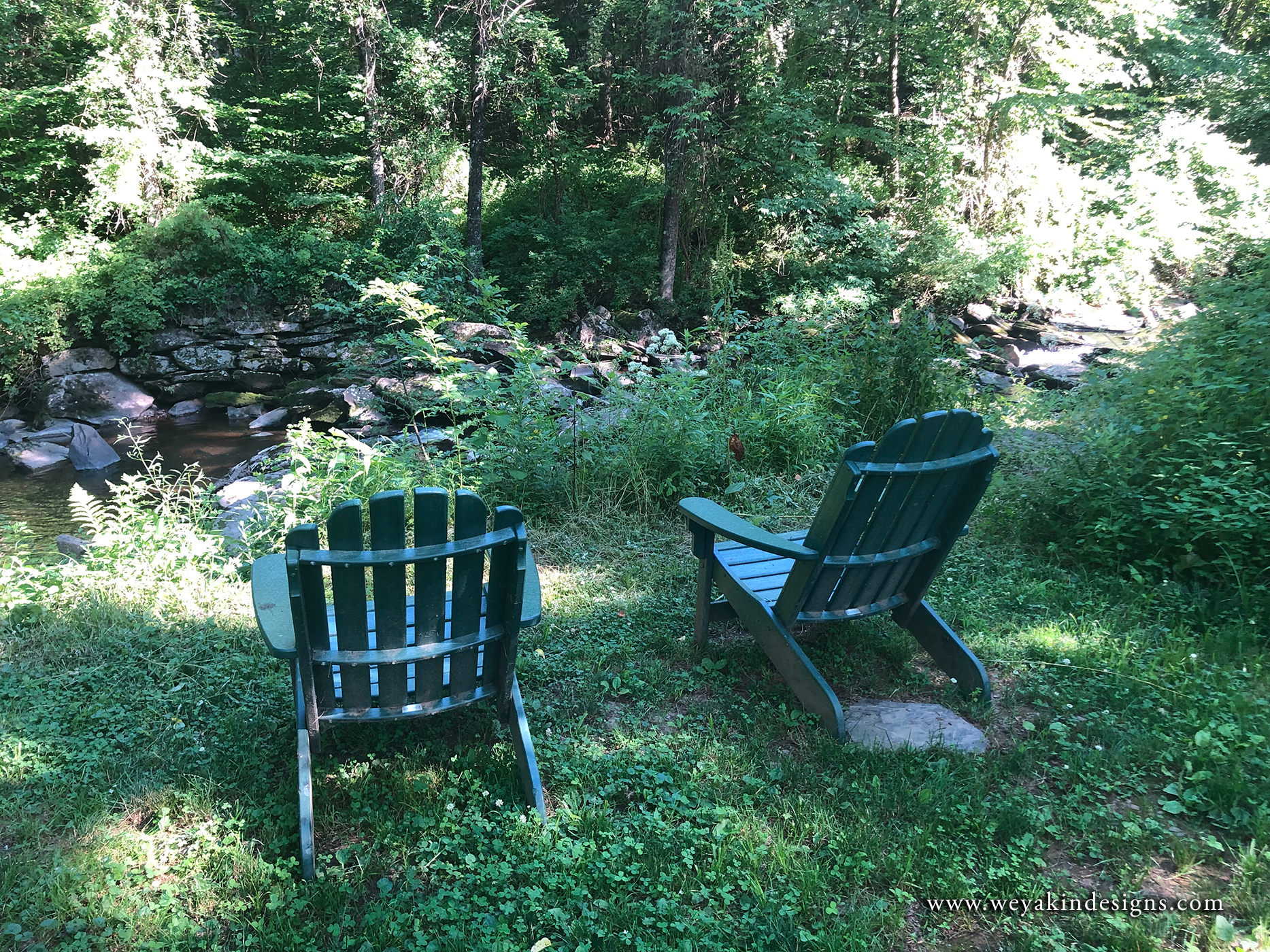
  5. Take advantage of the outdoor spaces. The Barn at Boyds Mills is full of outdoor trails and places to sit. Be sure to visit the brook and sit down to enjoy the sound of the babbling water. Take a hike up one of the trails if you’re able to (but be sure to put on bug spray to avoid the ticks and flies). Or just enjoy time at one of the outdoor tables to quietly sketch or write. And if there’s a fire in the evening outside at the Barn, enjoy the time to sit by it and chat with others. Fireside times with fellow illustrators were some of my favorite moments.

  6. Document your time there. You’ll want to take notes, you’ll want to draw, you’ll want to write. There’s a lot of information to take in. Make sure you have your favorite ways to take down and process information with you. I brought both a writing notebook and several sketchbooks and I ended up with notes and sketches in both. I’m glad I have them to refer back to. I also took photos to remember some of the spaces and people I spent time with. Looking back at them makes me smile.

  7. Be present and in the moment. While you’re documenting your time there, also remember to be present and in-the-moment. It’s easy to jump ahead in your mind to what you’ll do when you get home. But, it’s also an experience you’ll really want to savor. It goes by quickly! Enjoy each moment while it’s happening.

  8. Unplug and disconnect. From your regular life that is. It’s okay to check in with the family, especially when you have kids. But, be mindful of how often you’re checking your phone, email, or social media. Fortunately, the cellular service at Boyds Mills is pretty spotty and the wifi can be touch and go depending on where you’re standing. That can be frustrating if you’re doing research online. But, for the most part, it wasn’t a huge issue for me, and it allowed me to remember to unplug for a while and focus on the workshop and the people.

  9. Be open to feedback. For many of these workshops, there is a critique or mentor component to it. One of the most helpful things you can do for yourself is to be open to the feedback you receive. It doesn’t mean you have to use all of the feedback if you don’t agree with it. But, at least listen. And thank the people who took the time to look at your work with you. They are there for the love of children’s books just like you are.

  10. Exchange information with colleagues. You’re going to meet people there and you’re probably going to want to stay in touch. Be sure to ask others for their information, such as social media handles and email addresses. To make it easy to share your information, you could bring business cards or postcards with the info you want to share. I was so glad I brought my business cards with me so people could find me later.

And the biggest piece of advice I can give for a Highlights Foundation workshop trip is that the experience will be what you make it. People I know who have gone before have told me there’s a magic to the space that they haven’t found in other places. I found that to be true myself. But, being open to experience and present in the moment made the trip even more pleasant and remarkable. I hope you’ll find the same is true for you.

You can learn more about The Highlights Foundation and their work at https://www.highlightsfoundation.org


KidLit Connection: Getting to Know Author-Illustrator, Kari Percival

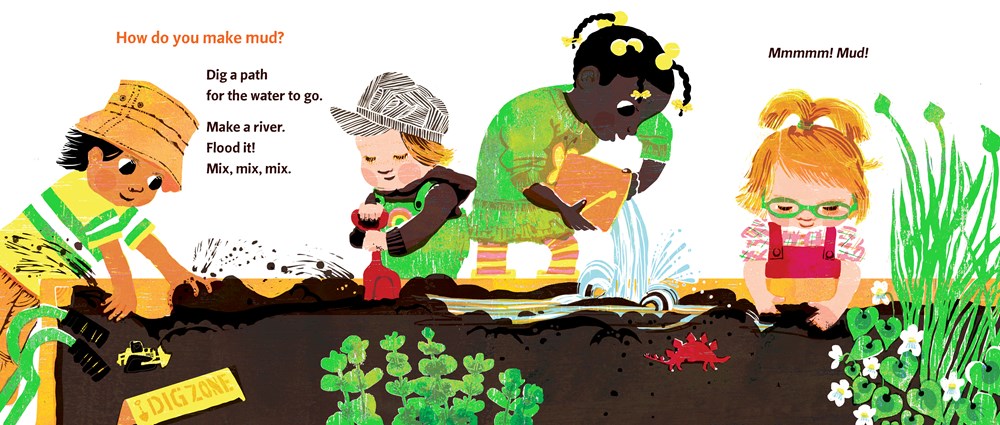
An illustrated page spread of Kari Percival's book, HOW TO SAY HELLO TO A WORM. Four children dig in the dirt and pour water in a community garden bed.
A spread from Kari Percival’s picture book HOW TO SAY HELLO TO A WORK: A FIRST GUIDE TO OUTSIDE

In the second of the KidLit Connection blog series, I interviewed illustrator, writer, and environmental educator, Kari Percival. Kari has studied art, environmental science, and teaching. Her education combined with her work as a science teacher, running a local preschool gardening program, and experience as a parent has helped shape her unique perspective when creating books for children. 

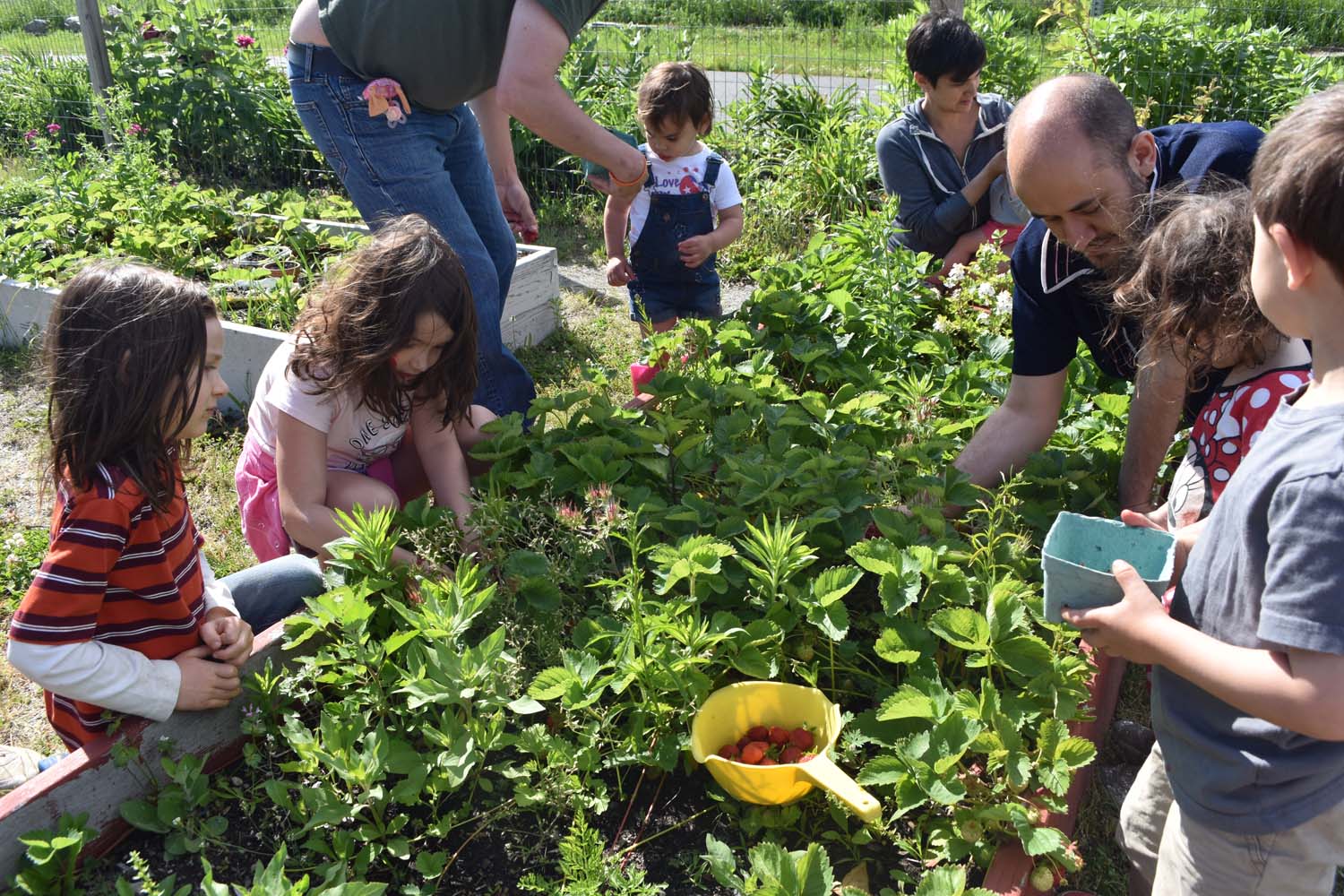
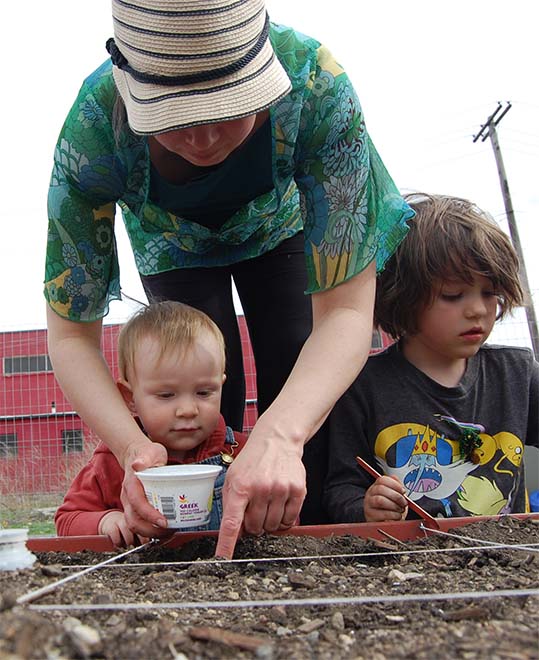
Author/Illustrator and environmental educator Kari Percival works with young children in the community gardens during her Early Birds Garden Club program.

Kari creates colorful woodcut prints that show dynamic relationships between kids and nature. Her storytelling inspires small children and their grownups to make a positive difference in the world through connecting with nature. Her picture book HOW TO SAY HELLO TO A WORM: A FIRST GUIDE TO OUTSIDE (published by Rise x Penguin Workshop) is a perfect guide for preschoolers who love to get their hands dirty, play in nature, and learn all about how plants grow. 

In this post, Kari tells us about the experiences that have shaped her work as an illustrator and storyteller and what inspires her to create books for children. I really loved hearing about all the interesting pieces of Kari’s life that have made her the book creator she is today.


Kari’s Interview

First, let’s talk a bit about you as an author and illustrator. Could you tell us more about what inspires you and what you love about being a creator of books for kids? 

As my extended family is cleaning out old storage boxes, they send me these little picture books I wrote when I was a child, that they’d tucked away, that I hadn’t seen for 40 years. Little stories about nature, local wildlife, or my pets. When I was in grade school, I guess our teachers had us make books a lot, bound and covered in wallpaper samples. I could write and draw whatever I wanted in them, and I gave them as gifts to family members a lot. I guess when I write and illustrate picture books, its like I am still making and giving gifts out, except now its to the children of the world. 

As an environmental educator AND picture book author/illustrator, how does each type of work relate to and inform the other?

Children and parents working in the community gardens at the Early Bird Garden Club run by Kari Percival.

Teaching informs my writing, but also, my writing is motivated by my love of learning and my love of ecology, of a deep wonder and love for all the beautiful, vulnerable, magical and amazing life on Earth. I am an artist, but I went to graduate school to learn to be a science teacher. Although I love art, and it comes easily to me, I don’t think everyone should be forced to make art if they would rather play basketball or whatever thay love to do. But I do think its imperative that every young person learns about ecology, and biology, and environmental science, because every young person will grow up to be a voter and decision maker, and they need to know how we are all members of the web of life, and how our decisions affect all life on Earth. I worked as a science teacher in public schools for 10 years, and I hope to maybe go back someday, but I took a break when I had children, and that is when I started thinking of books I wanted to write.

How did you first get into creating children’s books? What made you want to pursue this type of art? 

When I had my own children, I really enjoyed re-entering the world of children’s picture books as a parent. There are so many wonderful books, classics and new. There were also gaps: so many books I thought were missing from the shelf. I thought maybe I could apply my art and storytelling skills to making books to fill where I thought some gaps were. It seemed like a long shot, but maybe worth a try. 

Let’s talk about the most recently published book you wrote and illustrated, HOW TO SAY HELLO TO A WORM: A FIRST GUIDE TO OUTSIDE. Can you tell us a little more about the book and what inspired you to write it? 

I’m an environmental educator and so inviting kids outdoors and learning to grow food – even just to learn where food comes from – and see how we are made of food that is made of sunshine and how we share the world with other living beings, inviting and empowering very young children to become immersed in hands-on outdoor learning, edible education – that is my goal with this book.

When my kids were small, I started Early Birds Garden Club, a meet-up for toddler and parents that wanted to learn to grow food at our local community garden. Though leading the group, I learned what questions toddlers had about learning to garden, what questions they had about nature, and what gardening activities they enjoyed doing. My cracker jack agent, Teresa Kietlinski of Bookmark Literary, suggested I should write a book on how to garden for toddlers.  She knew that I would know just where to start, because I knew just what types of questions curious kids that age had. So then I wrote HOW TO SAY HELLO TO A WORM. They say “write what you know” and that was true for me with this book.

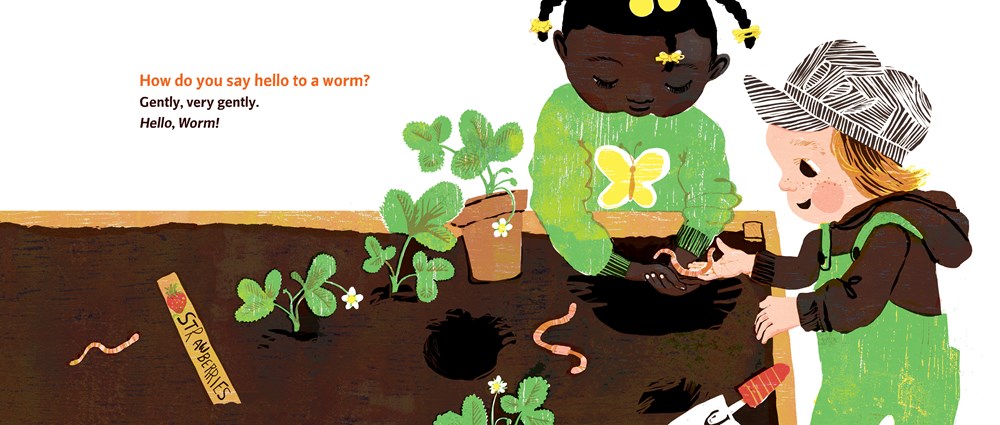
A spread from Kari Percival's Book, HOW TO SAY HELLO TO A WORM. Children dig in a garden and pick up worms. The text reads, "How do you say hello to a worm? Gently, very gently. Hello, Worm!"
A spread from Kari Percival’s book HOW TO SAY HELLO TO A WORM: A FIRST GUIDE TO OUTSIDE
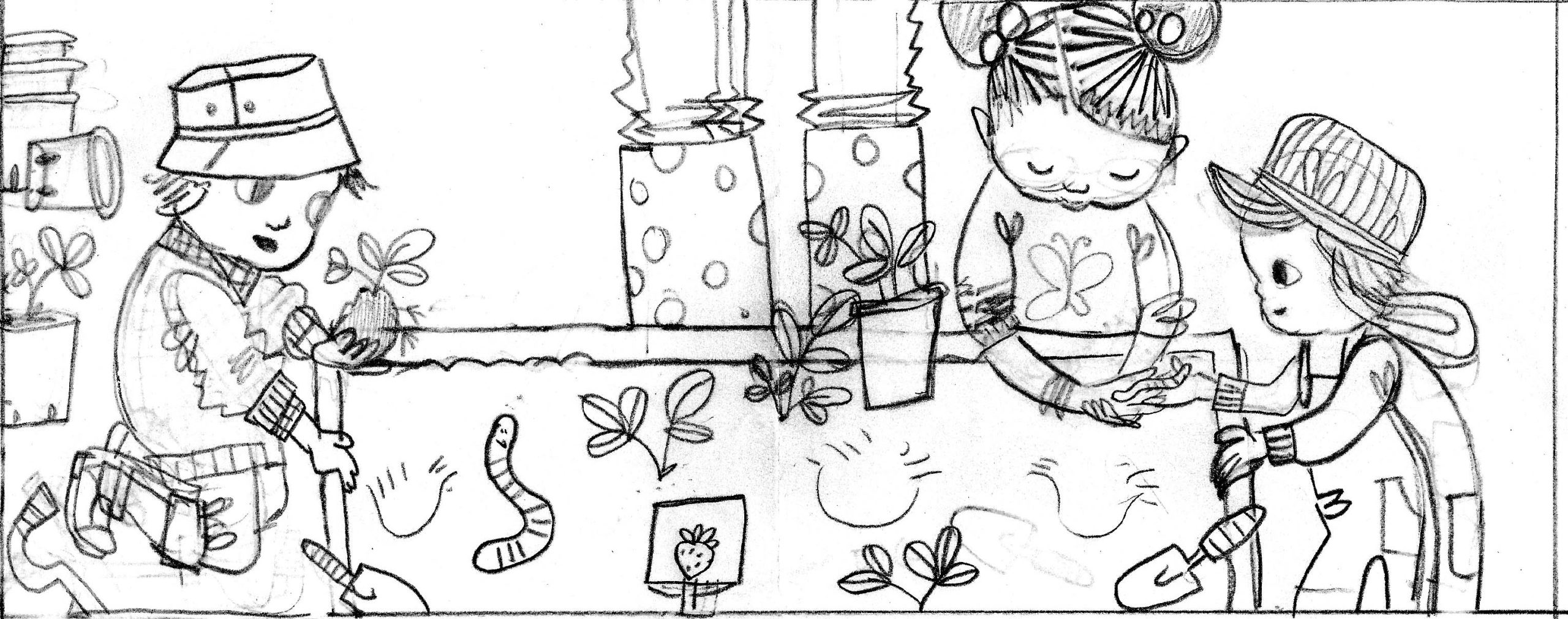
Kari’s sketch of the above spread prior to creating the final artwork.

What was your favorite part about creating HOW TO SAY HELLO TO A WORM? And what was a challenge you had to overcome while working on it, if any? 

Botanicals: I loved drawing portraits of plants! And I loved the “casting call” – creating and getting to know all the characters of the little children who garden in the book. I also loved thinking of writing the book from the perspective of what questions the youngest garden explorers would wonder about. A challenge was cutting images that I wanted to include. Cutting is the hardest! Originally, I wanted more of the pictures to contain lots of kids doing lots of gardening activities, but the design team focused each composition on a certain interaction with fewer children and more space for the words. And that was actually probably good anyway when it came time to produce the final art on a tight timeline!
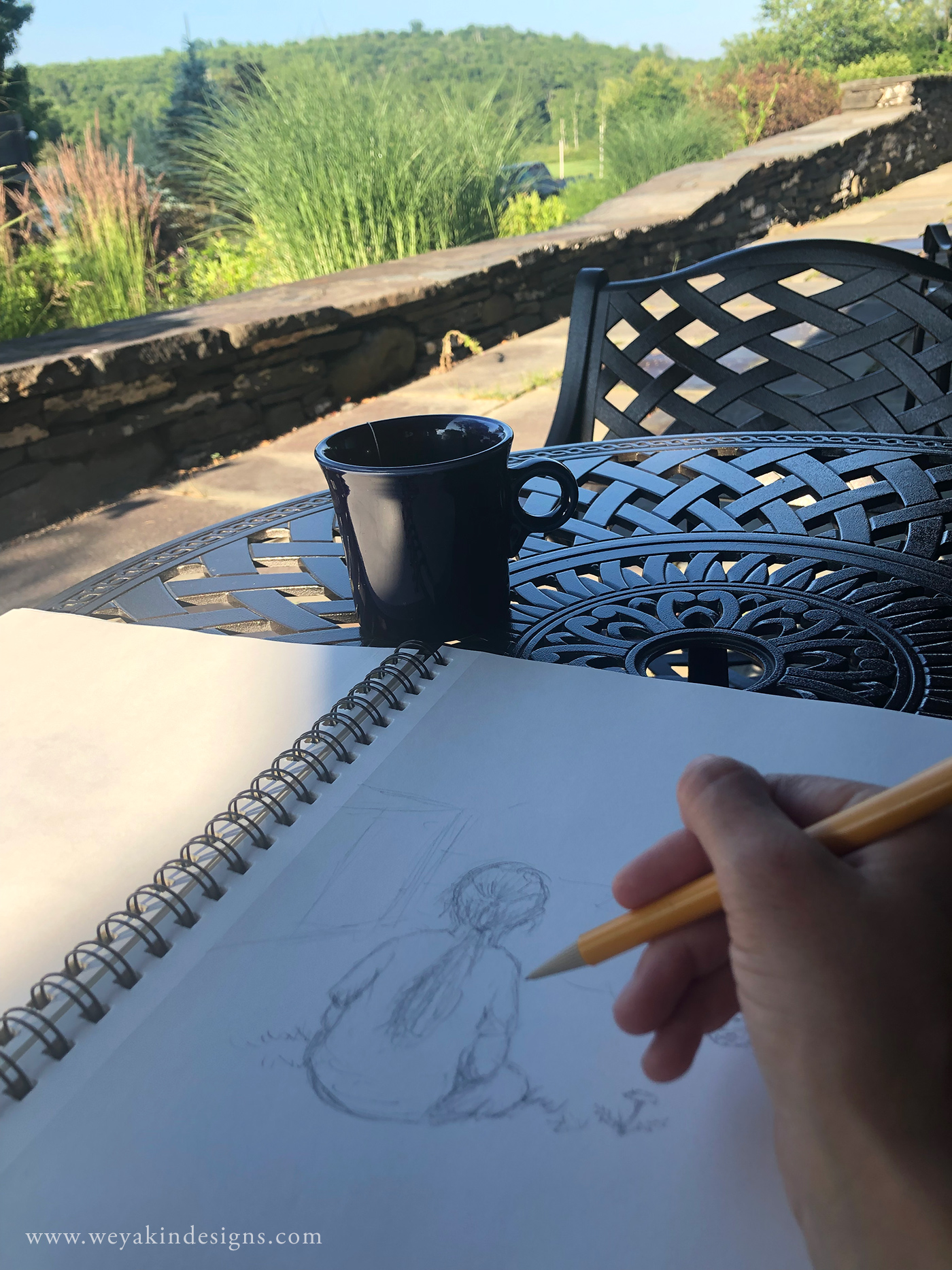
You also have a new book coming out soon called SAFE CROSSING, which will be published by Chronicle Books. What is that book about and what can kids and their grown-ups learn from it? 

SAFE CROSSING is an informational fiction story about a family of community scientists who volunteer with an amphibian migration team in springtime.  They help salamanders and frogs cross the street to avoid getting crushed by cars. When they realize that more needs to be done to protect these small creatures, they rally their community to build a wildlife tunnel so even more amphibians can cross safely. The story models grown-ups listening to kids ideas around protecting animals from harm.

What is your greatest hope for your work as a creator of books for kids? 

As a parent and a teacher, I know how – after a long challenging day when you have given your all, are running on fumes and you have no more ideas of what to say to your child or your students, – what a relief it can be to hunker down and read a picture book togther. I am so thankful to all the picture book creators who help caregivers and teachers explore interesting, wonderful or difficult topics with their children, with beauty and sensitivity and humor and honesty. My hope is for my work to give caregivers and children more ways to find joy and meaning together, and to honor their impulses to share wonder and love of our beautiful world and life on earth.

What is something you’d like to tell aspiring picture book authors/illustrators? 

Work or volunteer regularly with children in the age range of your target audience, doing something you love. Read books currently being published in the genre (within the last 5 years.) Find a community of writers or illutrators in the genre you aspire to publish in. Connect with them and ask them questions. Join critique groups in organizations like SCBWI, 12×12 or take classes where you can share work in a supportive environments where you can exchange feedback with others.  Use your best manners, experiment a lot, share your experiments, note what work you do that people respond most to, and do more of that.  Read you book outloud to yourself in the mirror and to young test audiences, notice where eyes glaze over and then edit those spots. Enter contests, be humble, and learn, learn, learn. Develop effective time habits, and organizational habits so that when opportunity knocks, you are ready with bells on. Ask someone knowledgable to look at a contract for red flags before you sign it.

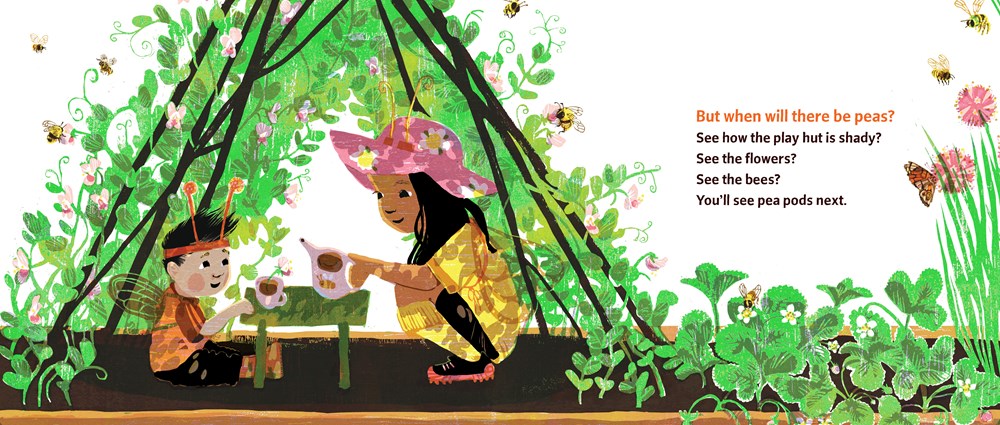
A page from Kari Percival's book HOW TO SAY HELLO TO A WORM. Two children play under a play hut made from pea plants and have a tea party. The text reads: "But when will there be peas? See how the play hut is shady? See the flowers? See the bees? You'll see pea pods next."
This page from HOW TO SAY HELLO TO A WORM explains to young children when peas will start growing in the vegetable garden.

See More from Kari Percival

You can learn more about Kari and see more of her work online. Check out the links and be sure to follow her on social media!


Are you a published or soon-to-be published children’s illustrator or author/illustrator who’s interested in being interviewed as part of the KidLit Connection series? If your work has a focus on nature, the environment, animals, or mindfulness, I’d love to chat with you! You can get in touch with me using the contact form on my site.


Primavera Mother—Time-Lapse Painting Demo Video

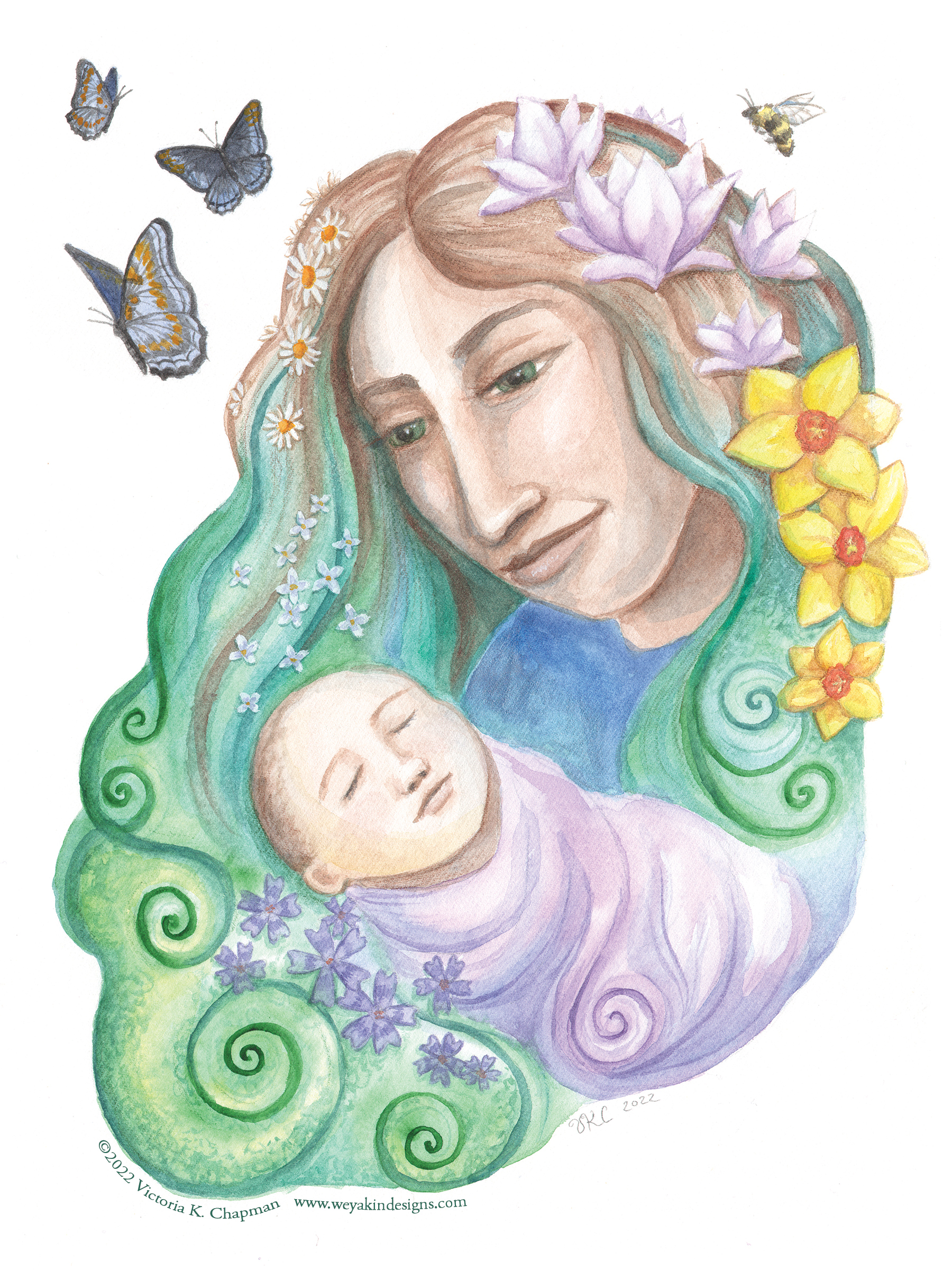
A watercolor mixed-media illustration of a young mother gazing lovingly at her newborn baby. Her hair is filled with flowers and butterflies and a bumblebee hover around them. Art by Victoria K. Chapman.
Primavera Mother by Victoria K. Chapman

I was recently inspired by Mother’s Day, which just passed, and my experience as a mother myself to create a new painting. I was also inspired by the beautiful flowers that are now emerging in the spring. One morning, I visited our local New England Botanic Gardens at Tower Hill in Boylston, MA. I found so much joy in all of the amazing flowers and pollinators sipping up their nectar. I created a sketch from these two sources of inspirations while I was there. The next two days after, I created this new hand-painted illustration, “Primavera Mother” and then made this time-lapse painting demo video to share.

I set up a camera to run while I worked in order to create a time-lapsed video of the illustration process. I always find it so interesting to watch other artists and illustrators paint, draw, and work their craft. I know others enjoy this too. I hope you also enjoy this new video of the process to create “Primavera Mother”.


“Primavera Mother” was created using watercolors, gouache, gel pen, and colored pencils. It took approximately 15 hours to create from drawing sketches to finished painting. There were several hours of video footage to edit down and compress into 4 minutes, which was quite the challenge!
The music in the video is a song I wrote called “Love at First Sight”, which was originally written as a lullaby for my son when he was one year old. The lyrics are about how one loves their newborn baby so deeply and quickly even though they just met. It is the true “love at first sight”. You can hear more of my music at aquaence.com and aquaence.bandcamp.com/music.

If you’re interested in purchasing prints of “Primavera Mother”, you can find both 9×12″ matted prints and 5×7″ matted prints in my online art shop. If you’re interested in purchasing the original, please contact me.

Thanks for watching!


KidLit Connection: Getting to Know Illustrator, Catarina Oliveira

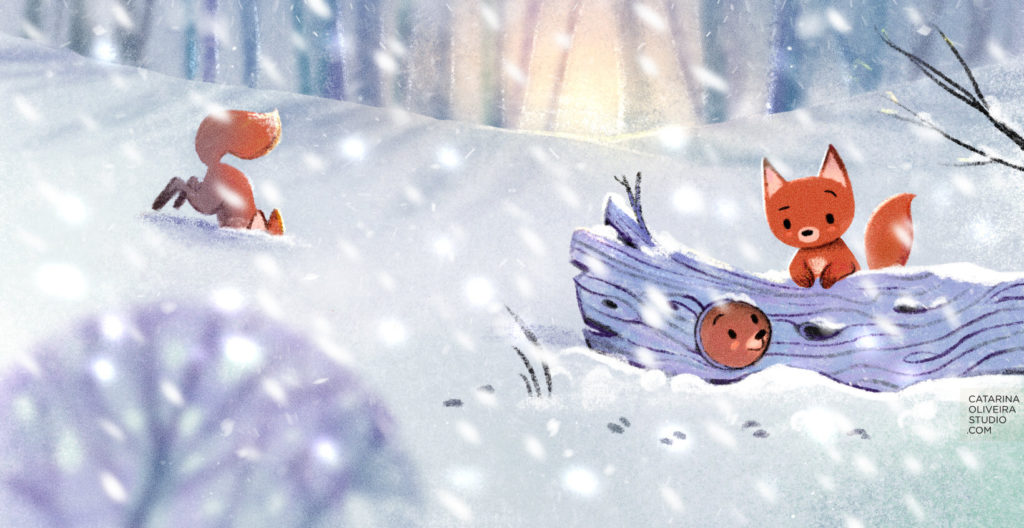
An illustration of foxes playing in the snow, illustrated by Catarina Oliveira

Welcome to the first in a series of interviews with fellow kidlit illustrators and author/illustrators! Catarina Oliveira, a children’s book illustrator living in Vancouver graciously volunteered to be the first artist in this series. I so appreciate her sharing her time and expertise with us.

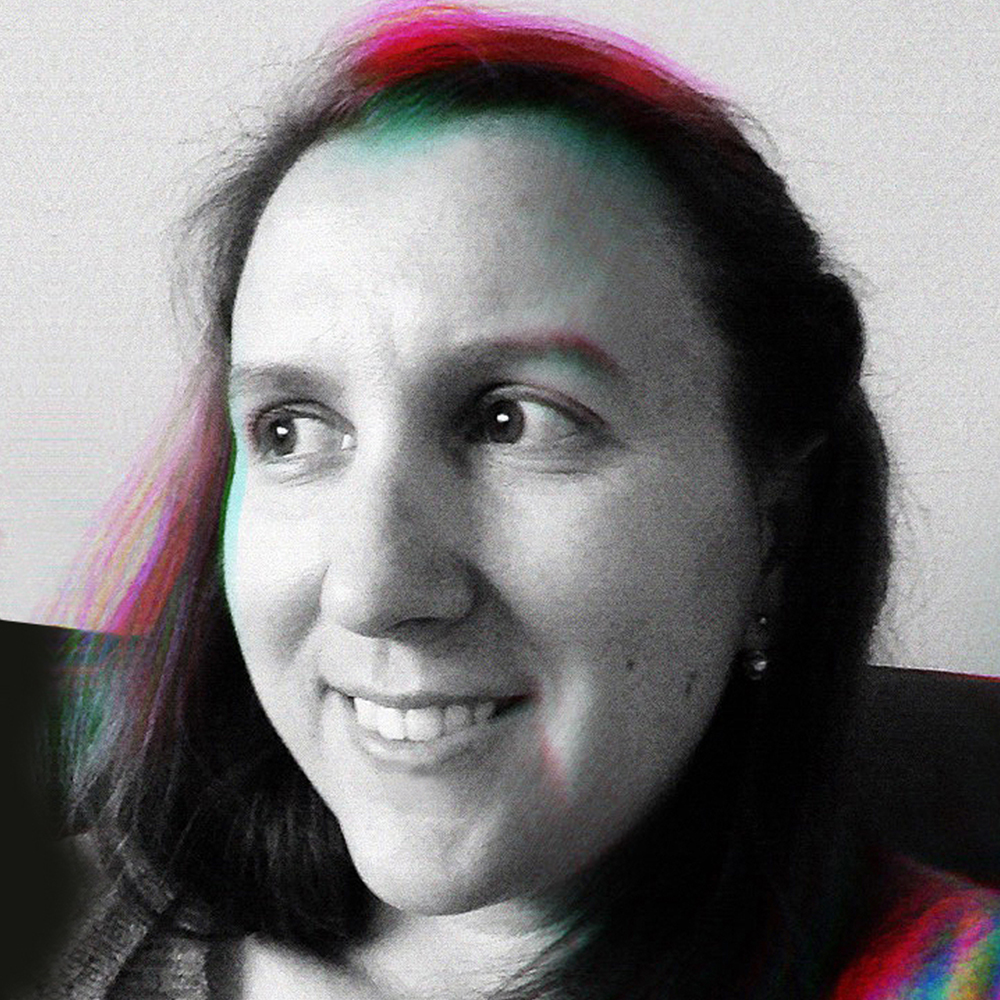
A black and white headshot portrait of illustrator, Catarina Oliveira.

Catarina is an illustrator who was born and raised in Portugal, but moved to Canada in 2016. She started her career in graphic design and worked for ten years before switching to her true passion—sharing visual stories with children and their grown-ups through illustration. Her playful style is colorful and brings joy to the stories she illustrates. She has created illustrations for multiple books and children’s magazines. 

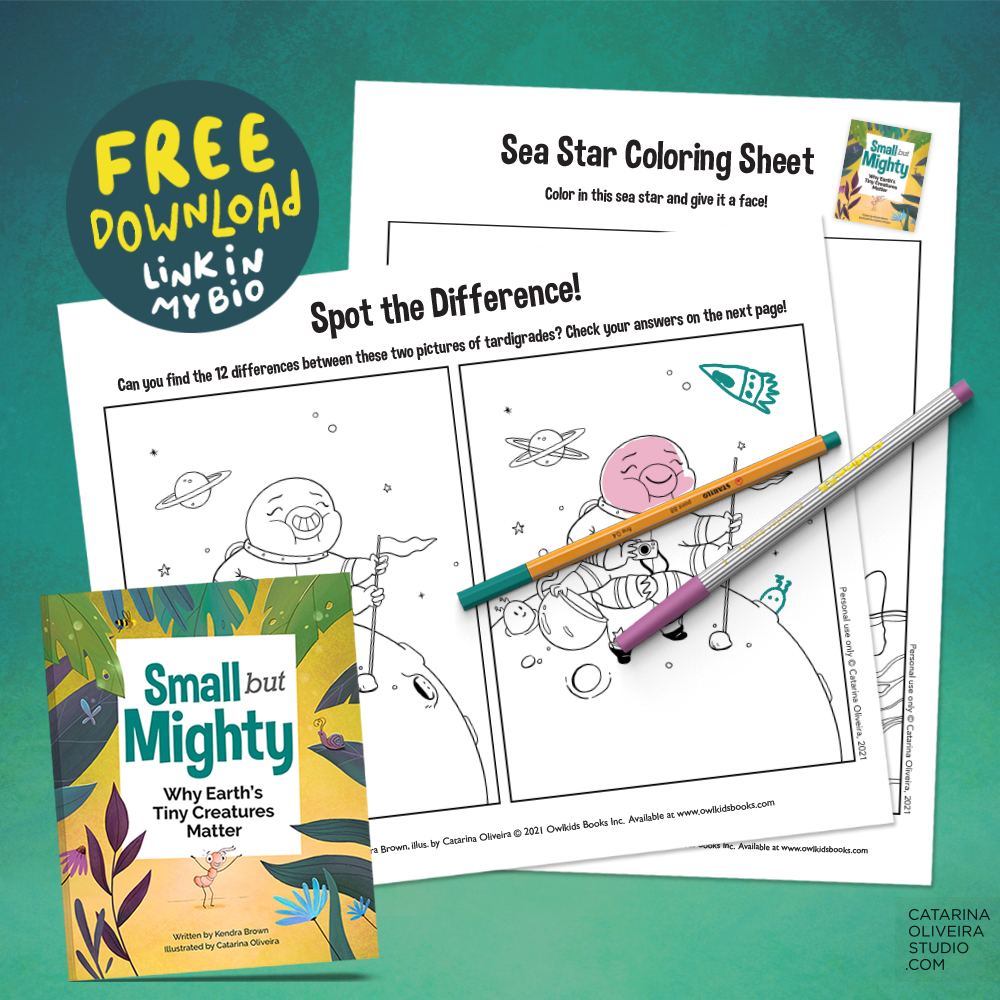
The latest book Catarina illustrated is a non-fiction picture book called Small but Mighty: Why Earth’s Tiny Creatures Matter, written by Kendra Brown and published by OwlKids Books. This beautifully illustrated book shows kids how even small creatures can make a huge impact on the environment and earth’s ecosystems. Catarina even created some free-to-download activity pages that go with the book!

Aside from art for kids, Catarina is also passionate about helping animals and being outdoors. When she’s not drawing, she loves cooking and going for hikes in the woods.


Catarina’s Interview

First, let’s talk a bit about you as an artist. Could you tell us more about what inspires you and what you love about being an illustrator?

This will sound like a cliche, but I get inspired by the little things that happen throughout the day and life that have nothing to do with illustration. For example, a walk at the park or a visit to a museum are things that inspire me. 

Being an illustrator is to tell stories with images; I love the infinite possibilities.

How would you describe your illustrations and the type of work you do?

Most of my work is directed at kids, and it’s mostly about exploration through the kids’ eyes, so I would describe it as humorous and playful.

How did you first get into children’s book illustration? What made you want to pursue this type of art?

I loved reading them as an adult and admired the art so much that I wanted to create books equally beautiful. However, I slowly realized that the beauty in picture books lies in the fact that they help children and can change their lives. 

Let’s talk about the latest book you illustrated, SMALL BUT MIGHTY, written by Kendra Brown. This book talks a lot about real-life animals and their habitats. How much research went into illustrating this book and what was that experience like?

A lot of research went into this book. Fortunately, my editor sent me some of the author’s research links and images to add to my research, which helped me make sure I was researching the right animal. I looked at a lot of photos and videos; some were gross! The experience is very much attached to the fact that it was the start of the pandemic, and I was going through a lot personally, so it felt bitter-sweet.  

How is illustrating a nonfiction picture book different from illustrating a fiction picture book? Tell us a bit about how your processes vary from book-to-book. 

There were two main differences. First, I had to be as accurate as possible because it’s nonfiction. In this particular case, I had one page per animal where I had the freedom to portray it in a funny cartoony way, with different colours even. Second, I had to tell an entire story on that page with just one page, instead of a fiction picture book where the narrative develops through the spreads.

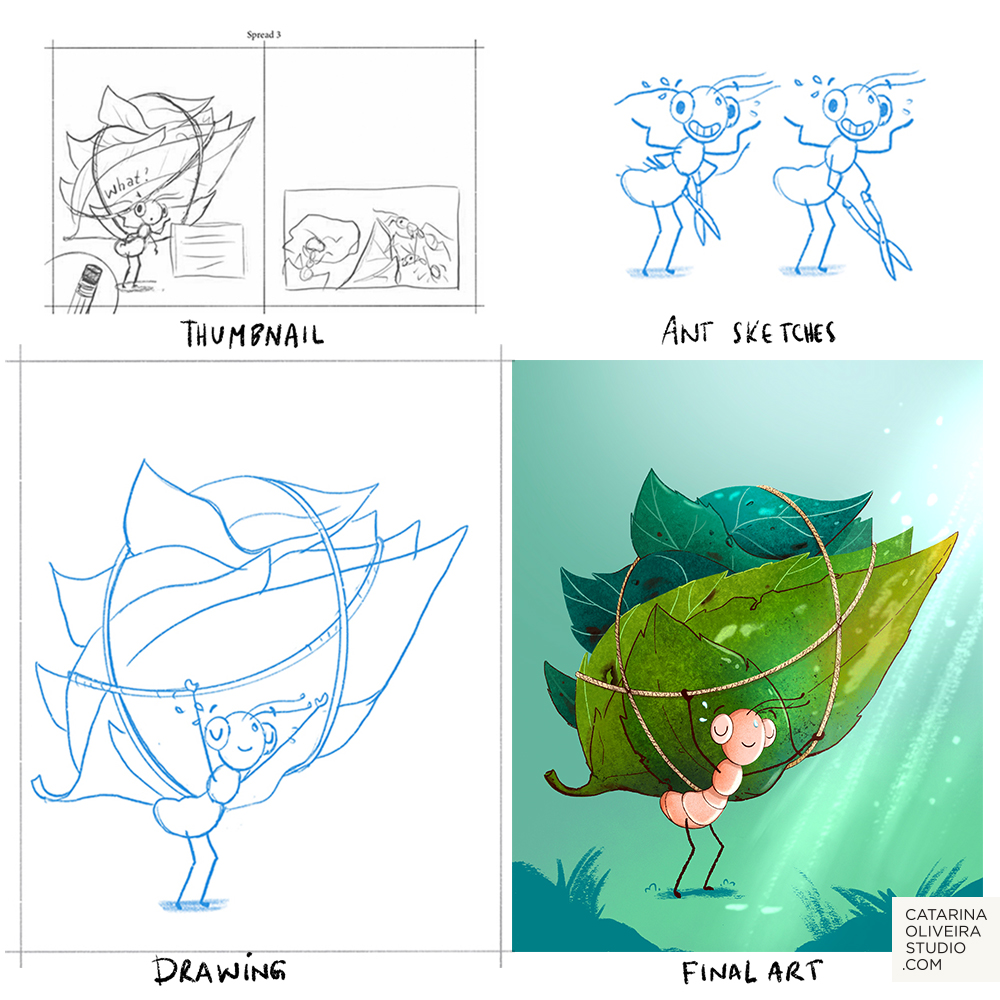
My process itself doesn’t change much from book to book. I start with organizing my schedule and reading the manuscript, then I draw a very basic storyboard, do research and sketching, thumbnails, drawings and colour.

What was your favorite part about illustrating SMALL BUT MIGHTY?

Yes I love drawing animals but I enjoyed creating backgrounds in this book, I took some photos during some walks in the woods for inspiration and had fun adding some details to the simple compositions in this book.  

You obviously enjoy drawing animals. But, what is your favorite animal to draw and why?

I don’t know! Insects are fun, dogs are fun… I need to think about this question.

What is something you’d like to tell aspiring picture book illustrators?

Draw things you like and draw a lot! Reading is essential, as well as participating in the kid-lit community.

See More from Catarina Oliveira

You can check out more of Catarina’s work online on her website and on social media. Check out the links below and be sure to follow her to keep up-to-date with the latest work!


Are you a published or soon-to-be published children’s illustrator or author/illustrator who’s interested in being interviewed as part of the KidLit Connection series? If your work has a focus on nature, the environment, animals, or mindfulness, I’d love to chat with you! You can get in touch with me using the contact form on my site.


Nurturing the Artist’s Soul with Nature

All of us as creative beings need something to nurture our creative souls. Every human has the potential and capacity for creativity, even those who think they have lost it. As I’ve talked about before, being creative is like breathing. In order to breath out, you must breath in. In order to create something new, you must also take inspiration in. For me, one of my favorite ways to breath in inspiration is by spending time out in nature.

I’ve mentioned the book The Artist’s Way by Julia Cameron in the past—a 12 week program to nurture your inner “artist child”. I keep bringing it up because it’s a program that has helped me through some of my artistic ruts and given new life to my creative spirit. One of the weekly assignments when doing The Artist’s Way is an “Artist’s Date”. It doesn’t really matter what you do on your artist’s date, but the criteria are as follows:

  • You must go on your artist’s date alone
  • Your artist’s date is something that you want to do for you
  • Your artist’s date will help inspire your artist child

Some examples of dates I’ve taken myself on include:

  • Going to the local botanic garden
  • Going to an art museum
  • Watching a new movie I’ve been wanting to see (by myself)
  • Buying a cheap bubble set and blowing bubbles in my front yard
  • Going for a long hike on a new trail I’ve never been to before
  • Taking photos at a local park or garden
  • Browsing the plants at a local garden center

Connecting With Nature

The possibilities for artist’s dates are endless. But, of all those possibilities, my favorite ones are the dates where I really get to connect with nature. Take the time to observe. Here are examples of things I’ve noticed while out in nature:

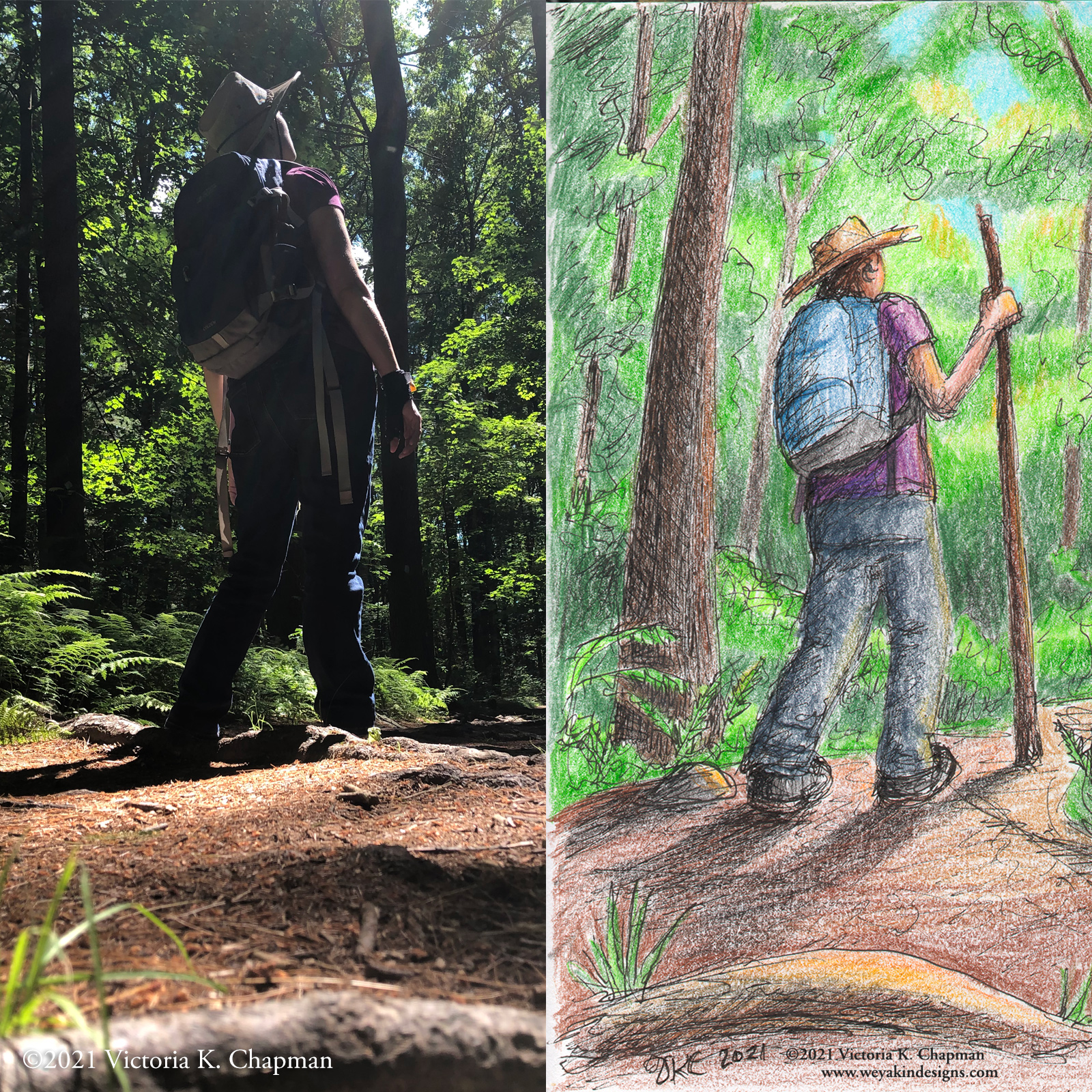
  • Feeling my feet on the trail and how the pine needles give it a soft springiness.
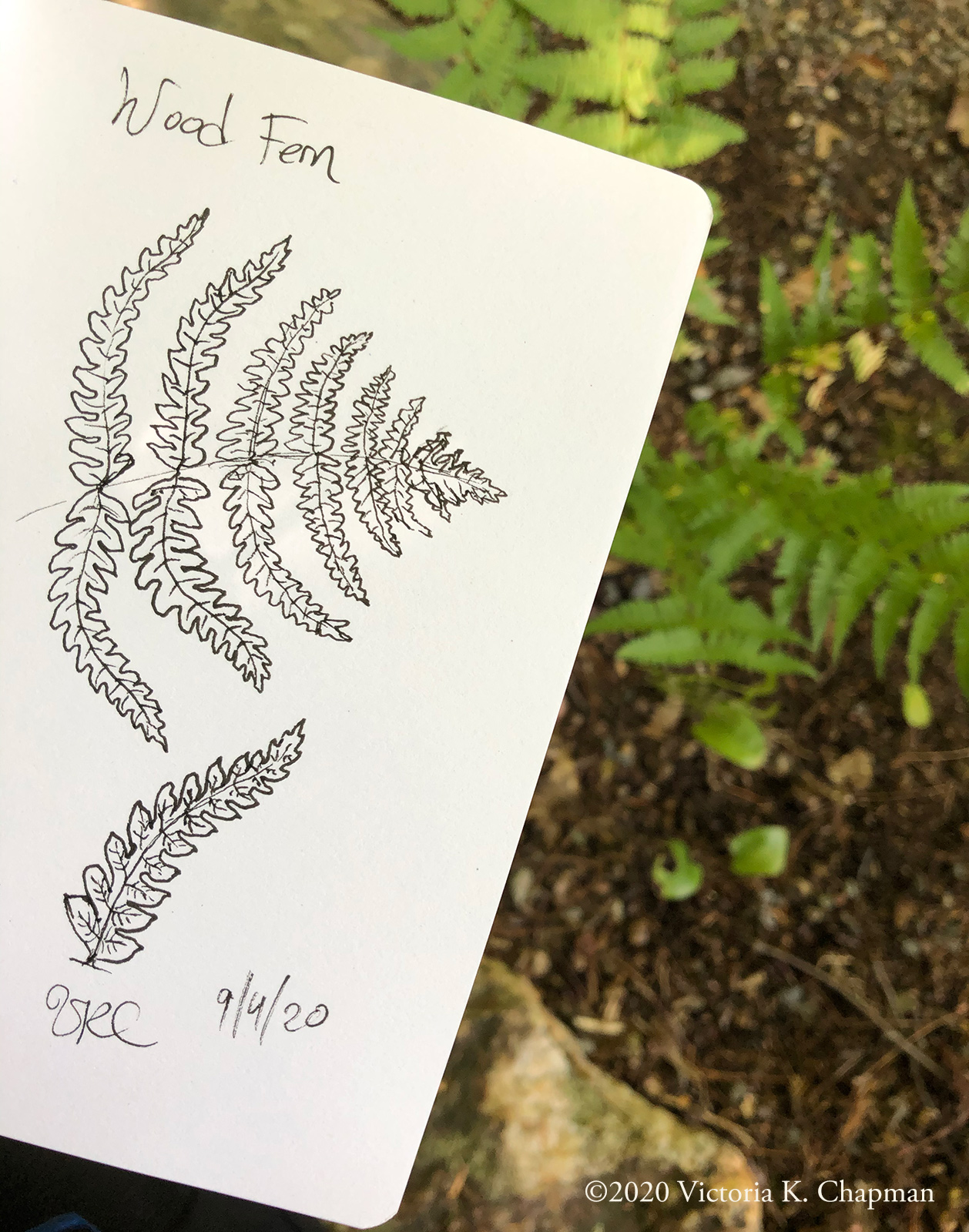
  • Stumbling upon a huge grove of ferns under a forest canopy. 
  • Discovering the variety of bees attracted to mountain mint flowers.
  • Feeling the warmth of sunshine on my face when I close my eyes and breath in fresh air.
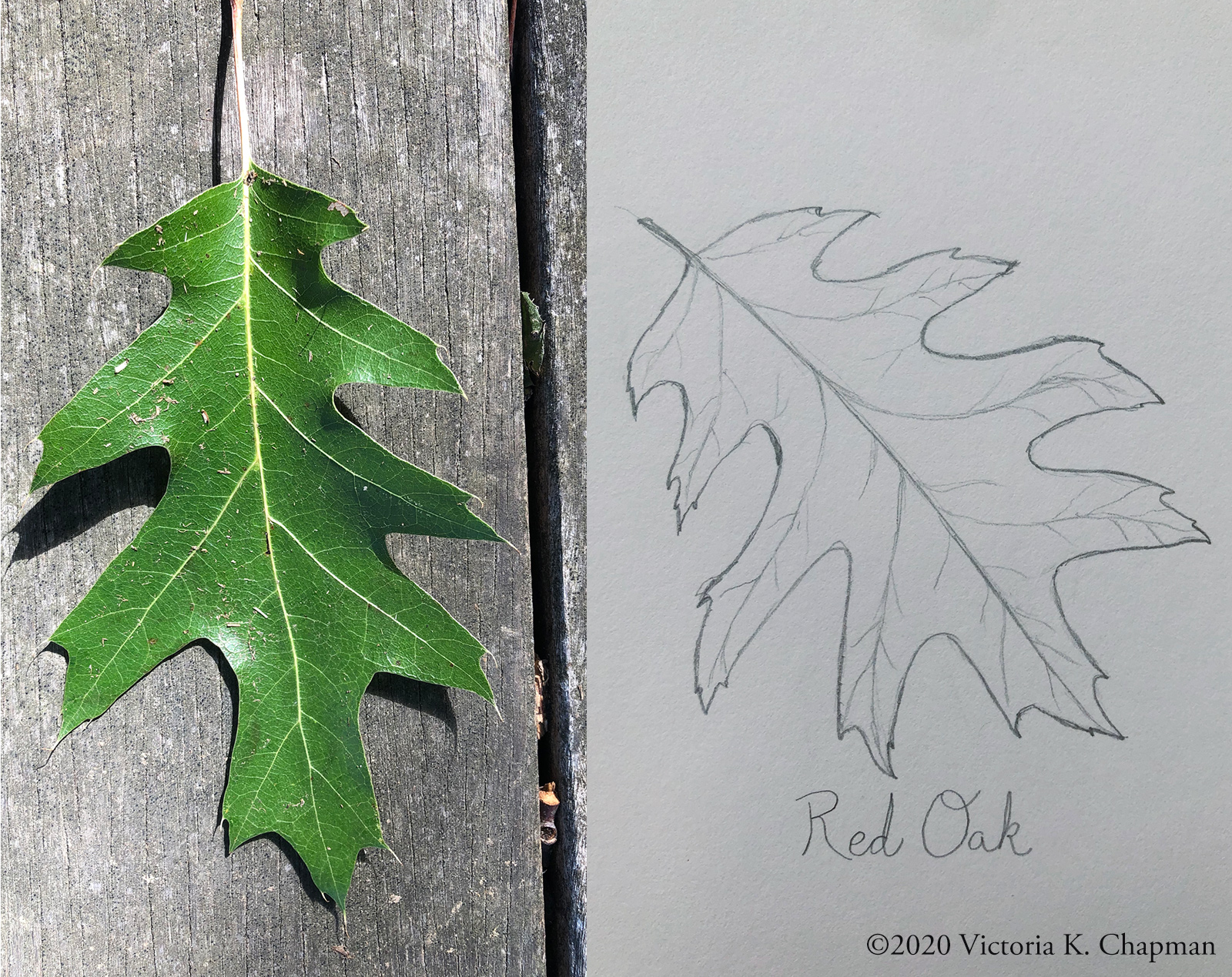
  • Stopping to notice the number of species of oak trees in a particular area.
  • Being surprised and charmed by wildlife scurrying by while sitting quietly on a boulder.
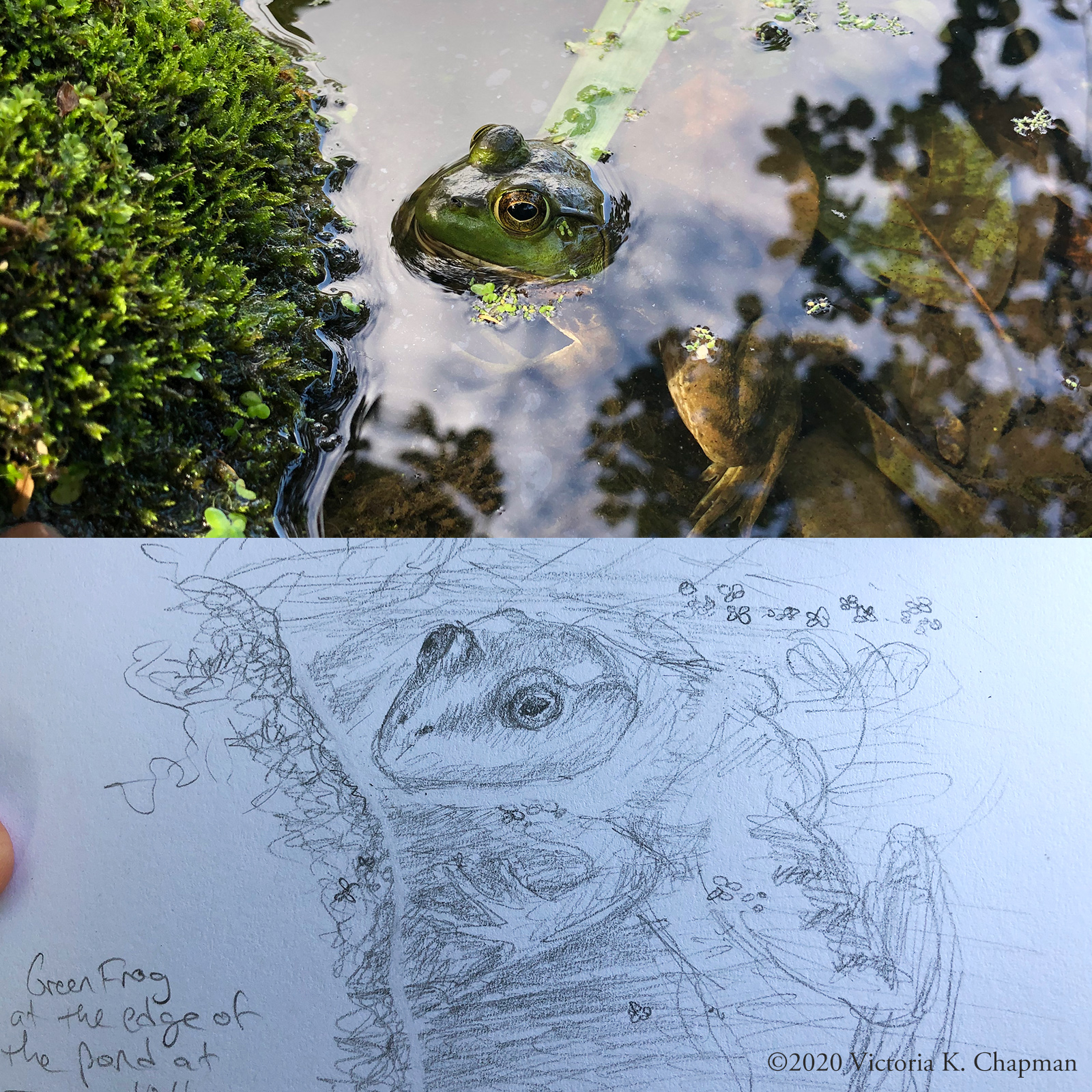
  • Greeting a green frog in a pond while watching the red-winged black birds across the way.

Similar experiences can be had for yourself when embarking on a solo trip into nature. It doesn’t even have to be a long adventure. Is there a local trail nearby? Go explore it for half an hour. Is there a lake or pond within walking or driving distance? Go there, sit, and observe. Bring a sketchbook or notebook to jot down ideas that might come up. Bring a camera if you wish to capture something that way. But mostly, focus on the moment of being present with nature, however that happens for you.

The important piece of going on your nature date is finding some way to connect with nature, be it big or small. And the most important part is just doing it. Don’t let limitations and excuses get in your way. Even exploring your own back yard can be a date. Put out some bird seed or a hummingbird feeder and see what happens. What’s under the rock over there? What does the lichen growing over on that tree really look like up close? Be curious. Be open. Be willing to take in whatever comes to you. And most of all, let your artist child explore the wonders and joy of nature. Nurture your artist’s soul.


40th Birthday Donation Celebration—Make a Difference and Win Art!


It’s my party and I’ll help if I want to! That’s right, friends. My 40th birthday is coming up in March. I’m not getting the birthday celebration I originally wanted thanks to the pandemic, but I can still celebrate with all of you in a special and meaningful way. This year, I’m asking everyone to help me make a positive impact as your gift to help me celebrate. 

I’ve chosen three special local organizations I’m encouraging donations to, in order to help me celebrate my big Four-Oh. These are all close to my heart and they connect to what my art is all about—sharing the joy of nature, preserving wild lands, and helping creatures big and small.

More about them and how to donate are found below.

I will pick 3 winners! There is one grand prize and two runners up prizes. So, your odds of winning are three times more likely! And even if you don’t win this time, you can feel good knowing that you donated to some great causes and made me the happiest birthday gal ever!

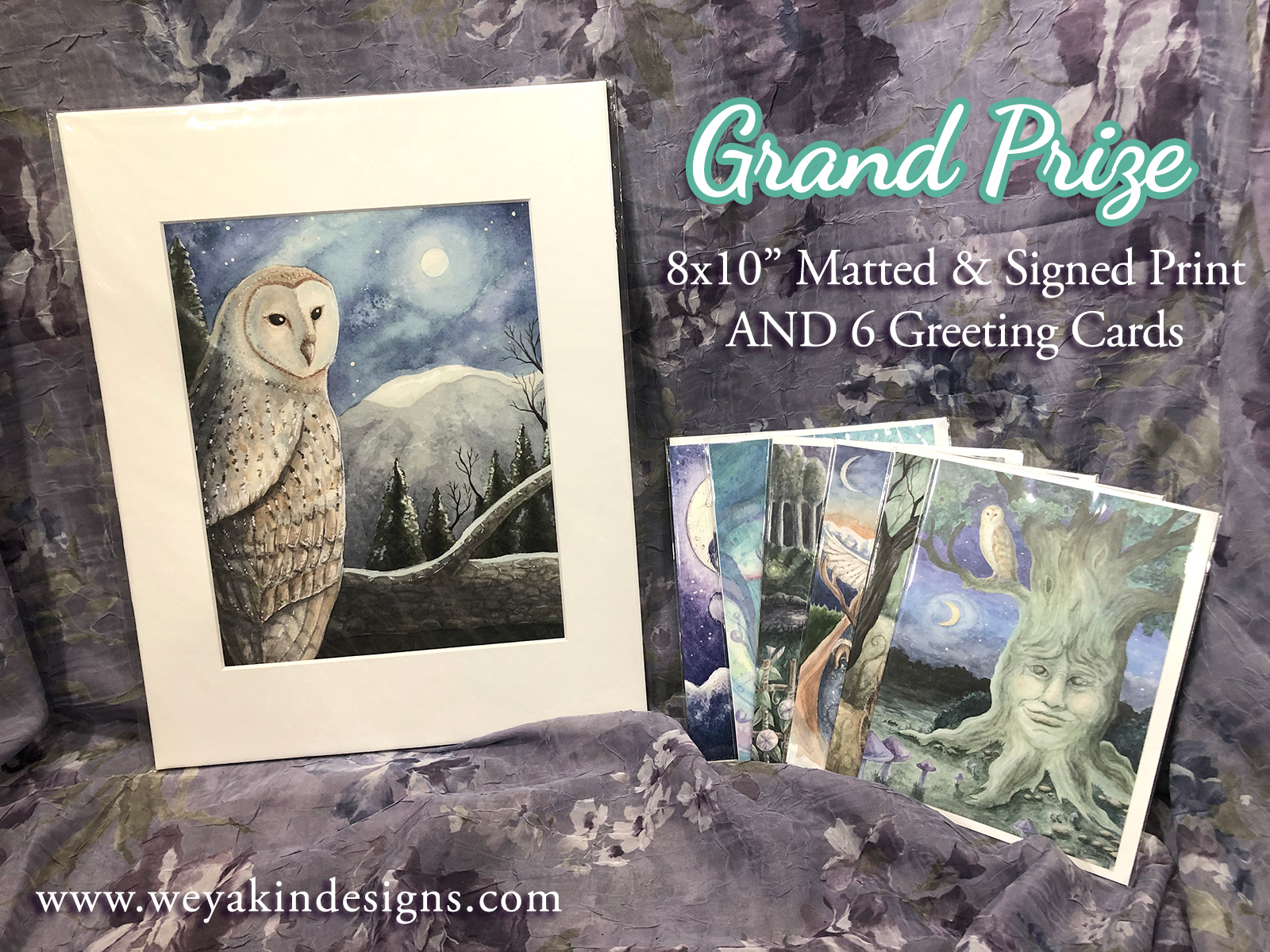
Grand Prize (1 winner):

  • Your choice of one 8×10” print or two small 5×7” signed matted art print (from my available stock)
  • AND a set of 6 greeting cards

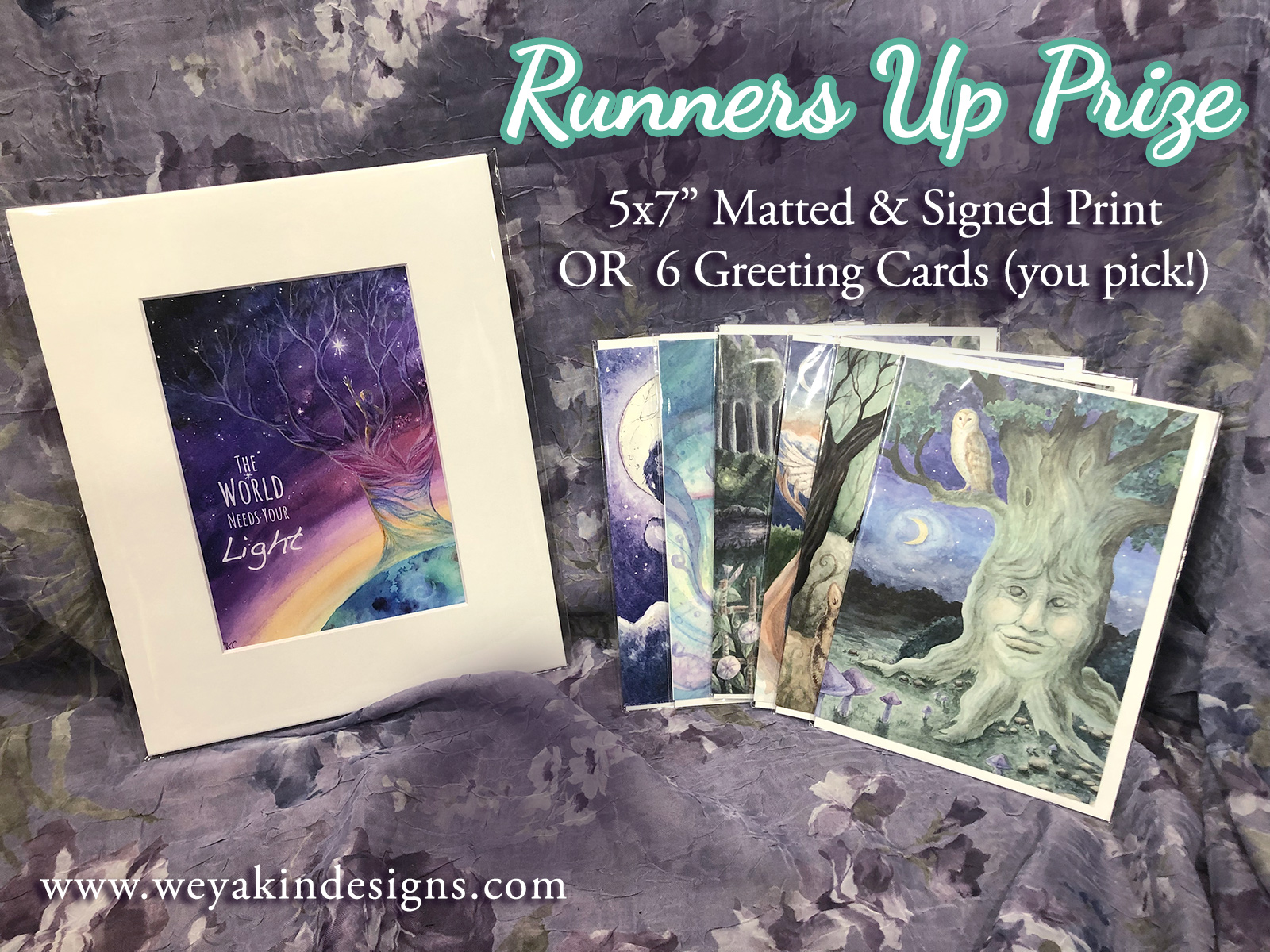
Runners Up Prizes (2 winners):

  • Your choice of one small 5×7” signed matted art print (from my available stock) OR a set of 6 greeting cards

How It Works

  • Donate $10 or more to one or more of the three organizations I’ve listed below. Each $10 donated is worth 1 entry.
  • Share this post with your friends! Sharing gets you 1 entry too!
  • Then, fill out this Google form to let me know. https://forms.gle/nfH2vBerEmW4BfYv9
    THIS STEP IS SUPER IMPORTANT! Otherwise, you won’t be entered.
  • You can fill the form out as many times as you want if you donate again!

You can donate until March 20th, 2022. I will pick the three winners on March 22nd, 2022.

Here’s an easy way to get you started sharing this post:

Tower Hill Botanic Gardens

Tower Hill Botanic Garden, located in Boylston, Massachusetts is a non-profit garden and education center concerned with educating the public about horticulture, environmental stewardship, and creating connections between humans and nature. Their 171 acres contains a vast plant collection, hiking trails, family activities, green houses, and more. It is a center for local community to meet and enjoy nature and the outdoors. It’s also one of my personal sanctuaries that I visit often to find inspiration for my art. Please consider contributing to Tower Hill’s mission of sharing in the joy of plants, nature, and community.

Visit Tower Hill’s Website: https://www.towerhillbg.org/

Trustees of Reservations

The Trustees of Reservations is a Massachusetts-based land conservation organization concerned with preserving historic sites, wild lands, agriculture sites, and natural habitats so that future generations may continue to enjoy them. The Trustees cares for more than 100 land sites throughout the state equalling about 27,000 acres. Their work helps keep amazing places safe so that all can continue to enjoy them. Please consider donating to help keep these special places special.

Visit the Trustees website: https://thetrustees.org/

Urban Wildlife Rehabilitation Inc.

Urban Wildlife Rehabilitation Inc. is a small wildlife rescue and rehabilitation center located in Springfield, Massachusetts. Their mission is to save injured and orphaned wildlife and rehabilitate them back to health until they are able to survive in their natural habitat. This organization relies on volunteer help and donations from the community to support these vulnerable creatures. Please consider donating to Urban Wildlife Rehabilitation Inc. to help keep local wildlife safe and wild.

Visit Urban Wildlife Rehabilitation’s website: https://www.urbanwildliferehab.org/

Thanks for all of your support! I can’t wait to celebrate with you!