KidLit Connection: Getting to Know Author-Illustrator, Kari Percival
In the second of the KidLit Connection blog series, I interviewed illustrator, writer, and environmental educator, Kari Percival. Kari has studied art, environmental science, and teaching. Her education combined with her work as a science teacher, running a local preschool gardening program, and experience as a parent has helped shape her unique perspective when creating books for children.
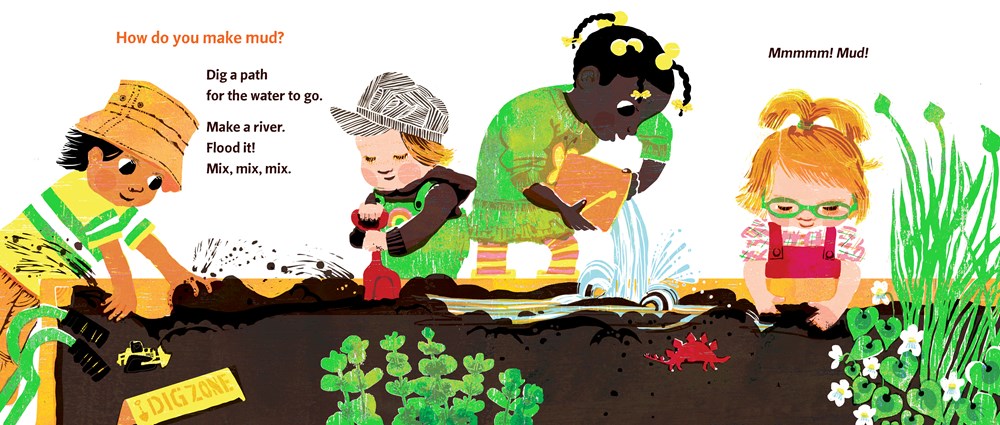
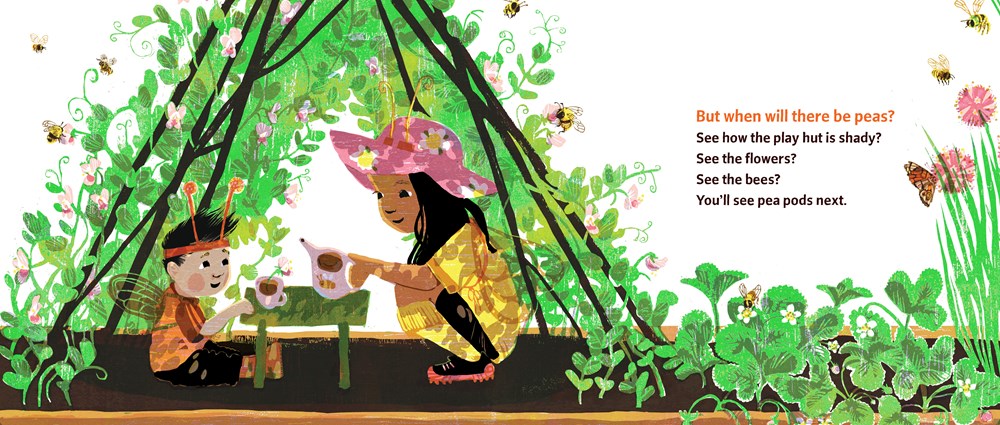
Kari creates colorful woodcut prints that show dynamic relationships between kids and nature. Her storytelling inspires small children and their grownups to make a positive difference in the world through connecting with nature. Her picture book HOW TO SAY HELLO TO A WORM: A FIRST GUIDE TO OUTSIDE (published by Rise x Penguin Workshop) is a perfect guide for preschoolers who love to get their hands dirty, play in nature, and learn all about how plants grow.
In this post, Kari tells us about the experiences that have shaped her work as an illustrator and storyteller and what inspires her to create books for children. I really loved hearing about all the interesting pieces of Kari’s life that have made her the book creator she is today.
Kari’s Interview
First, let’s talk a bit about you as an author and illustrator. Could you tell us more about what inspires you and what you love about being a creator of books for kids?
As my extended family is cleaning out old storage boxes, they send me these little picture books I wrote when I was a child, that they’d tucked away, that I hadn’t seen for 40 years. Little stories about nature, local wildlife, or my pets. When I was in grade school, I guess our teachers had us make books a lot, bound and covered in wallpaper samples. I could write and draw whatever I wanted in them, and I gave them as gifts to family members a lot. I guess when I write and illustrate picture books, its like I am still making and giving gifts out, except now its to the children of the world.
As an environmental educator AND picture book author/illustrator, how does each type of work relate to and inform the other?
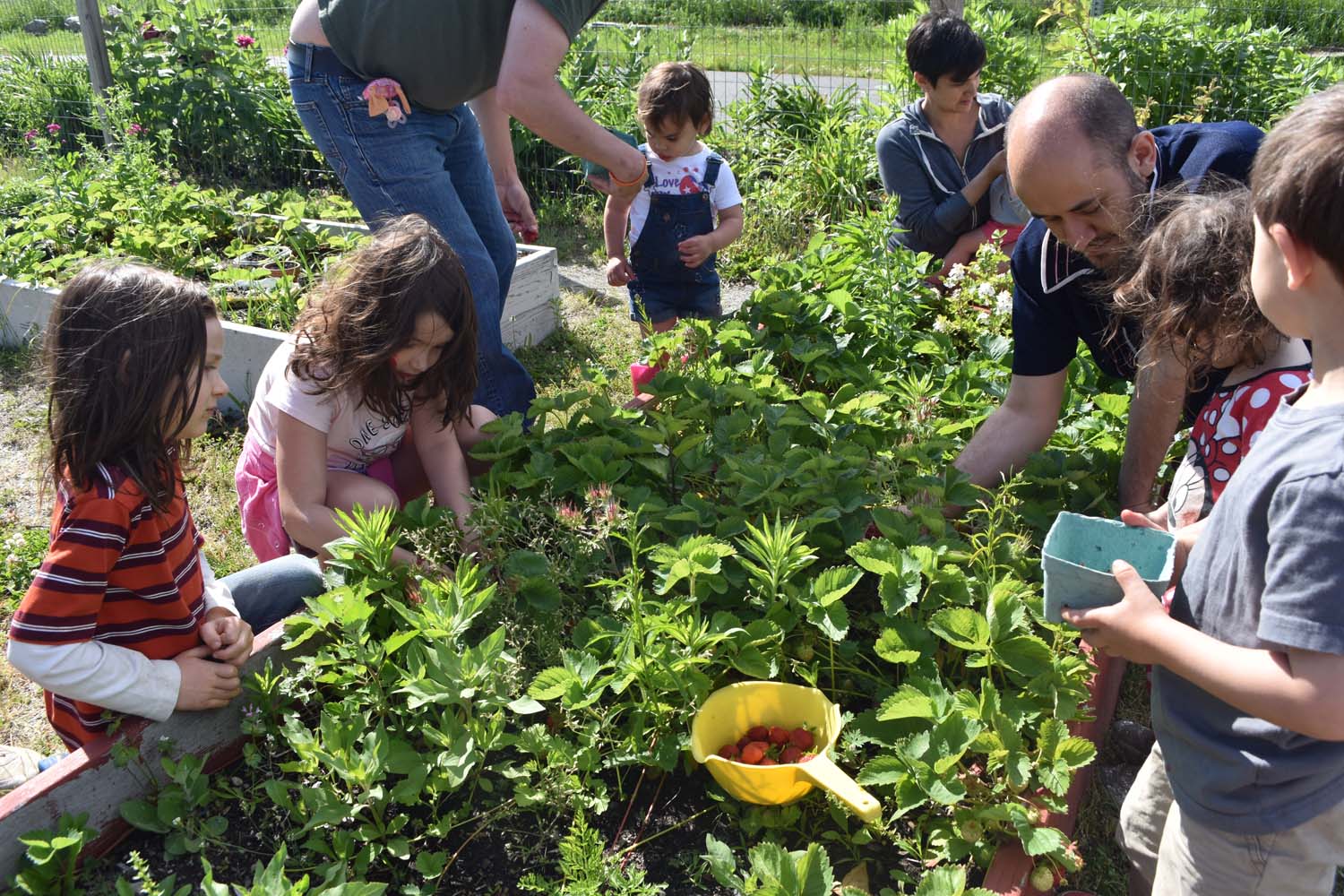
Teaching informs my writing, but also, my writing is motivated by my love of learning and my love of ecology, of a deep wonder and love for all the beautiful, vulnerable, magical and amazing life on Earth. I am an artist, but I went to graduate school to learn to be a science teacher. Although I love art, and it comes easily to me, I don’t think everyone should be forced to make art if they would rather play basketball or whatever thay love to do. But I do think its imperative that every young person learns about ecology, and biology, and environmental science, because every young person will grow up to be a voter and decision maker, and they need to know how we are all members of the web of life, and how our decisions affect all life on Earth. I worked as a science teacher in public schools for 10 years, and I hope to maybe go back someday, but I took a break when I had children, and that is when I started thinking of books I wanted to write.
How did you first get into creating children’s books? What made you want to pursue this type of art?
When I had my own children, I really enjoyed re-entering the world of children’s picture books as a parent. There are so many wonderful books, classics and new. There were also gaps: so many books I thought were missing from the shelf. I thought maybe I could apply my art and storytelling skills to making books to fill where I thought some gaps were. It seemed like a long shot, but maybe worth a try.
Let’s talk about the most recently published book you wrote and illustrated, HOW TO SAY HELLO TO A WORM: A FIRST GUIDE TO OUTSIDE. Can you tell us a little more about the book and what inspired you to write it?
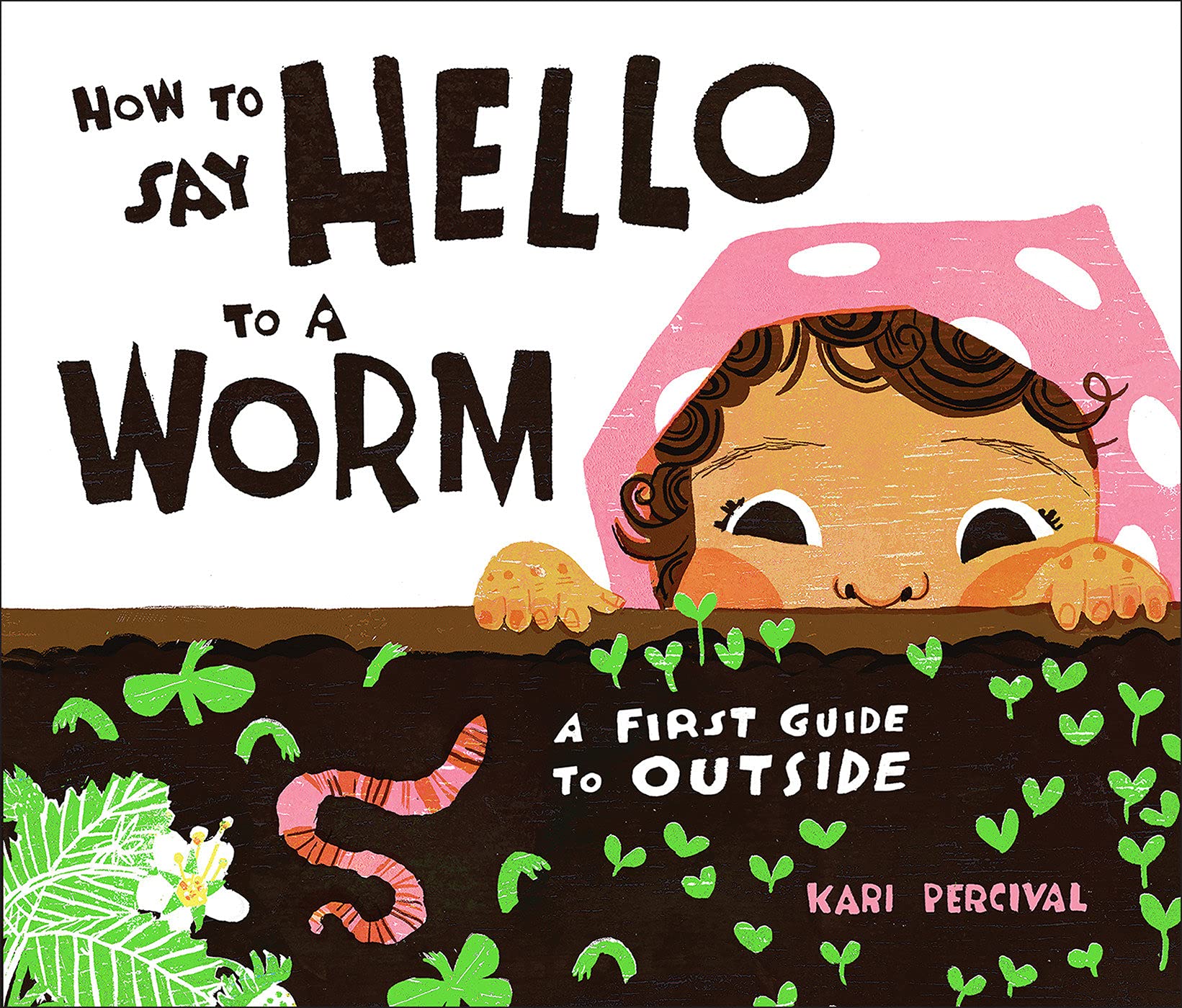
I’m an environmental educator and so inviting kids outdoors and learning to grow food – even just to learn where food comes from – and see how we are made of food that is made of sunshine and how we share the world with other living beings, inviting and empowering very young children to become immersed in hands-on outdoor learning, edible education – that is my goal with this book.
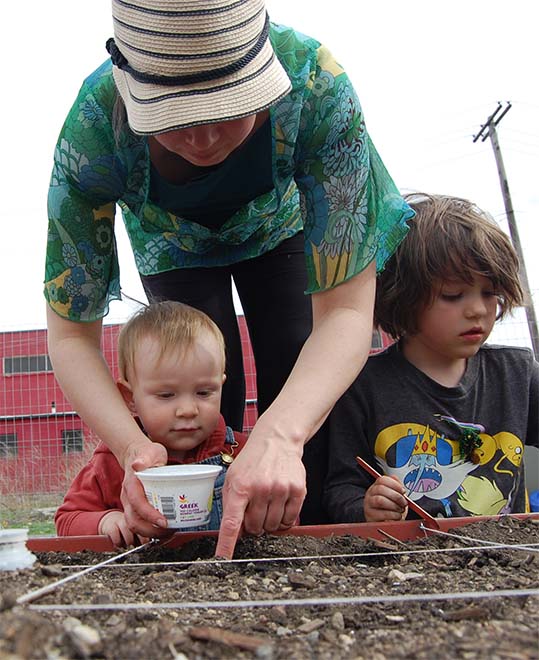
When my kids were small, I started Early Birds Garden Club, a meet-up for toddler and parents that wanted to learn to grow food at our local community garden. Though leading the group, I learned what questions toddlers had about learning to garden, what questions they had about nature, and what gardening activities they enjoyed doing. My cracker jack agent, Teresa Kietlinski of Bookmark Literary, suggested I should write a book on how to garden for toddlers. She knew that I would know just where to start, because I knew just what types of questions curious kids that age had. So then I wrote HOW TO SAY HELLO TO A WORM. They say “write what you know” and that was true for me with this book.
What was your favorite part about creating HOW TO SAY HELLO TO A WORM? And what was a challenge you had to overcome while working on it, if any?
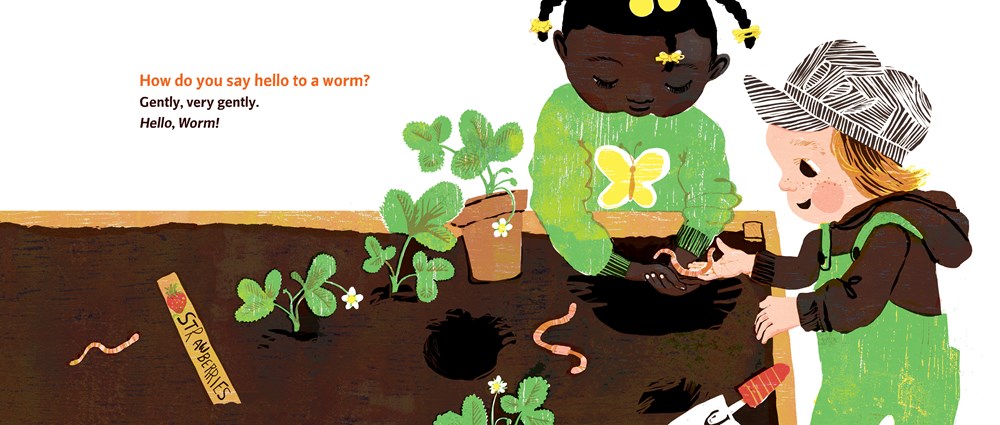
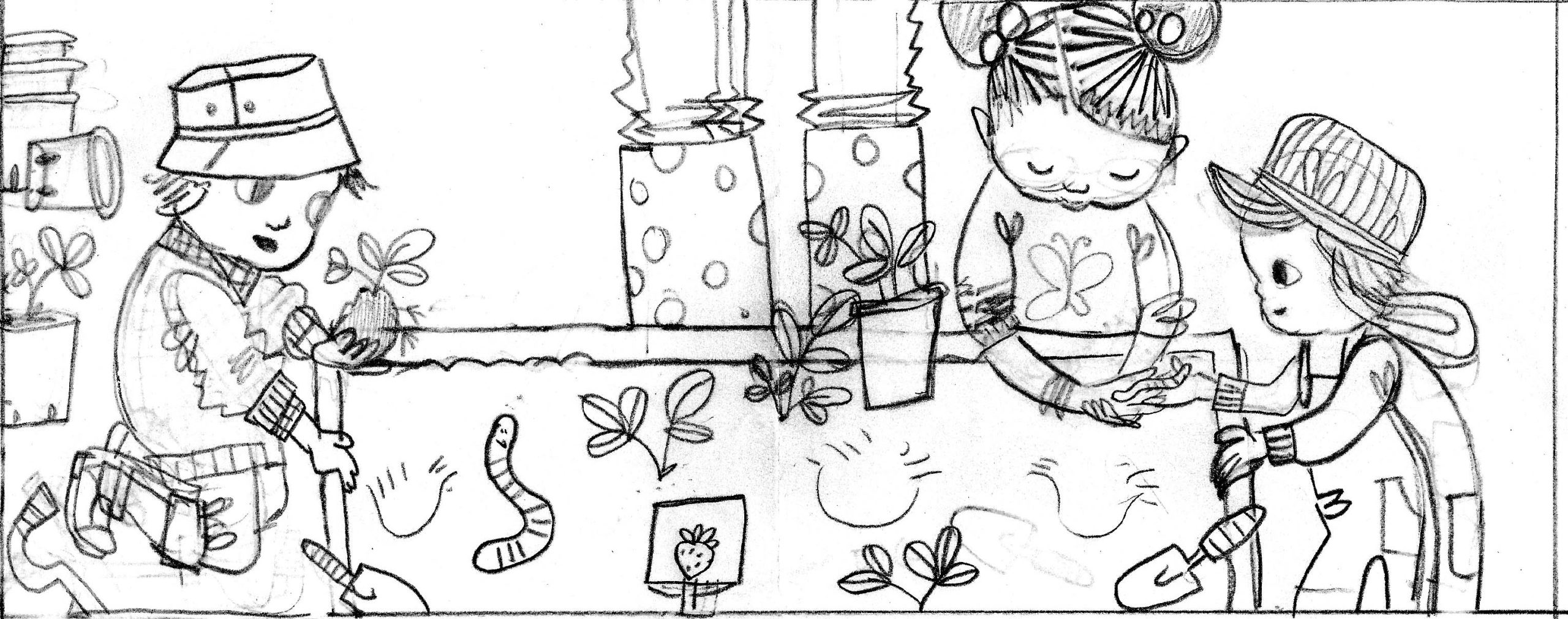
Botanicals: I loved drawing portraits of plants! And I loved the “casting call” – creating and getting to know all the characters of the little children who garden in the book. I also loved thinking of writing the book from the perspective of what questions the youngest garden explorers would wonder about. A challenge was cutting images that I wanted to include. Cutting is the hardest! Originally, I wanted more of the pictures to contain lots of kids doing lots of gardening activities, but the design team focused each composition on a certain interaction with fewer children and more space for the words. And that was actually probably good anyway when it came time to produce the final art on a tight timeline!
You also have a new book coming out soon called SAFE CROSSING, which will be published by Chronicle Books. What is that book about and what can kids and their grown-ups learn from it?
SAFE CROSSING is an informational fiction story about a family of community scientists who volunteer with an amphibian migration team in springtime. They help salamanders and frogs cross the street to avoid getting crushed by cars. When they realize that more needs to be done to protect these small creatures, they rally their community to build a wildlife tunnel so even more amphibians can cross safely. The story models grown-ups listening to kids ideas around protecting animals from harm.
What is your greatest hope for your work as a creator of books for kids?
As a parent and a teacher, I know how – after a long challenging day when you have given your all, are running on fumes and you have no more ideas of what to say to your child or your students, – what a relief it can be to hunker down and read a picture book togther. I am so thankful to all the picture book creators who help caregivers and teachers explore interesting, wonderful or difficult topics with their children, with beauty and sensitivity and humor and honesty. My hope is for my work to give caregivers and children more ways to find joy and meaning together, and to honor their impulses to share wonder and love of our beautiful world and life on earth.
What is something you’d like to tell aspiring picture book authors/illustrators?
Work or volunteer regularly with children in the age range of your target audience, doing something you love. Read books currently being published in the genre (within the last 5 years.) Find a community of writers or illutrators in the genre you aspire to publish in. Connect with them and ask them questions. Join critique groups in organizations like SCBWI, 12×12 or take classes where you can share work in a supportive environments where you can exchange feedback with others. Use your best manners, experiment a lot, share your experiments, note what work you do that people respond most to, and do more of that. Read you book outloud to yourself in the mirror and to young test audiences, notice where eyes glaze over and then edit those spots. Enter contests, be humble, and learn, learn, learn. Develop effective time habits, and organizational habits so that when opportunity knocks, you are ready with bells on. Ask someone knowledgable to look at a contract for red flags before you sign it.
See More from Kari Percival
You can learn more about Kari and see more of her work online. Check out the links and be sure to follow her on social media!
Are you a published or soon-to-be published children’s illustrator or author/illustrator who’s interested in being interviewed as part of the KidLit Connection series? If your work has a focus on nature, the environment, animals, or mindfulness, I’d love to chat with you! You can get in touch with me using the contact form on my site.